Brent crude hits $126 as US readies strike plans and Hormuz blockade tightens
Oil prices soared to a four-year high before retreating after reports that US Central Command will brief President Trump on potential military action against Iran.
UAE —
Key facts
- Brent crude touched $126.31 a barrel on Thursday, highest since Russia's 2022 invasion of Ukraine.
- US Central Command prepared a plan for 'short and powerful' strikes on Iran, Axios reported.
- Trump told oil executives the US blockade of Iranian ports could last 'for months if needed'.
- Iran has kept the Strait of Hormuz all but shut; about 20% of global oil and LNG normally passes through.
- Goldman Sachs estimates exports through Hormuz have fallen to just 4% of normal levels.
- Brent crude later fell to close at $114.01; WTI settled at $105.07.
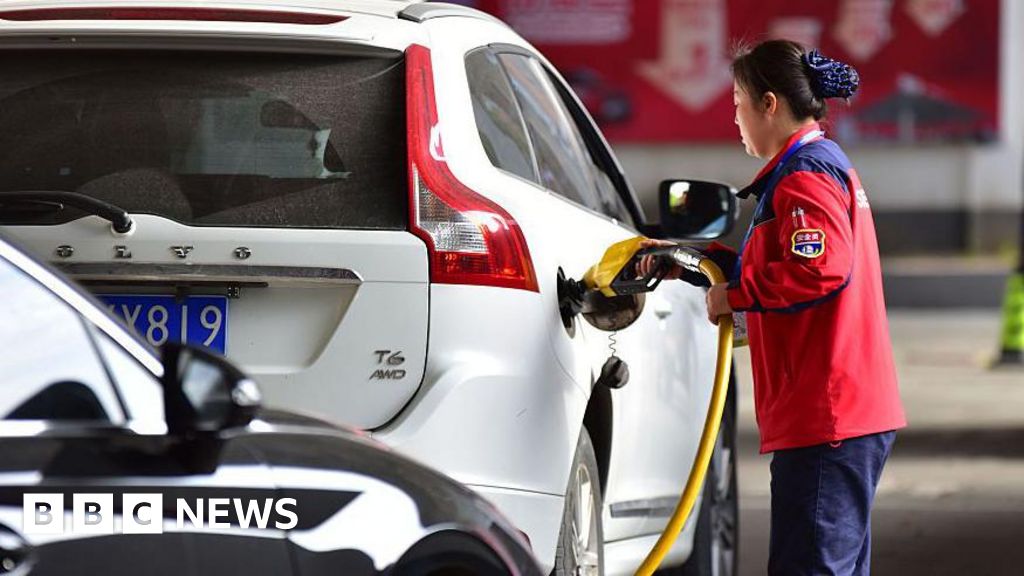
- UK petrol averaged 157p a litre, up 24p since the war began; diesel at 188.5p, up 46p.
- Economist Paul Krugman said a full-on global recession is 'more likely than not' if the strait remains closed three more months.
Oil markets spike on war plan report
Brent crude surged to $126.31 a barrel on Thursday, its highest level since Russia's full-scale invasion of Ukraine in 2022, after a report that the US military is set to brief President Donald Trump on new plans for potential strikes against Iran. The price later fell back sharply to around $114, partly due to the expiration of the June Brent futures contract. The more active July contract traded lower at about $110 a barrel. US Central Command has prepared a plan for a wave of 'short and powerful' strikes on Iran to break the deadlock in negotiations, which cited two sources with knowledge of the matter. The White House and Uadded to fears that the conflict, which began on 28 February, could escalate further.
Strait of Hormuz blockade chokes supply
The Strait of Hormuz, a chokepoint for about 20% of the world's oil and liquefied natural gas, remains effectively closed after Iran responded to a US naval blockade by shutting the waterway to oil tankers. Trump told oil executives this week that the US would 'continue the current blockade for months if needed', according to a White House official. He earlier rejected Iran's proposal to reopen the strait, signaling the blockade will remain until a broader nuclear agreement is reached. Goldman Sachs estimates that exports through Hormuz have fallen to just 4% of normal levels. Constrained Iranian exports and limited storage capacity could deepen supply disruptions if the blockade persists, the bank's analysts said. A boost to output from the UAE following its OPEC exit is likely to materialize gradually over the medium term, not offset near-term tightness.
Trump threatens Iran as talks stall
Trump appeared to threaten Iran in a Truth Social post on Wednesday, saying the country 'better get smart soon!' The post was accompanied by an AI-generated image of Trump holding a gun with explosions in the background and the words 'NO MORE MR. NICE GUY!' The breakdown of talks between the US and Iran has left the market losing hope for a quick resumption of oil flows, said Warren Patterson, head of commodities strategy at ING. US officials hope the blockade will force Iran to cap its oil wells and shutter production once its facilities, such as Kharg Island, fill to capacity. Trump told Axios: 'The blockade is somewhat more effective than the bombing. They are choking like a stuffed pig.'
Sharp price swings driven by futures expiry and psychology
The sharp switch in the oil price on Thursday was partly blamed on the expiration of the June Brent futures contract, said Naveen Das, senior oil analyst at Kpler. The more active July contract was trading lower at around $110 a barrel. Bill Perkins, chief investment officer at Skylar Capital Management, said oil markets are being driven by a mix of physical disruptions, geopolitics and investor psychology, with traders closely tracking tanker movements and political signals. Market observers believe traders are moving beyond early optimism about a diplomatic resolution and toward 'the reality of the supply situation', Patterson added. 'The longer this disruption persists, the less the market can rely on inventory, and the greater the need for further demand destruction. The only way to drive this would be through higher oil prices.'
Rising fuel costs hit consumers and raise recession fears
Crude oil is a key ingredient in petrol and diesel, and the jump in costs since the war began has pushed up pump prices. In the UK, petrol costs an average of 157p a litre, 24p higher than before the war; diesel is at 188.5p a litre, up 46p. RAC head of policy Simon Williams said petrol is now more expensive for retailers to buy than at any time since the war began, while diesel wholesale prices have fallen and should drop further at the pump. The UK government has warned people could face higher energy, food and flight ticket prices. Some airlines have already raised fares or reduced flights. Fertiliser prices have also started to increase, which could have a knock-on effect on food prices. The sharp rise in oil prices has raised the risk of a global recession fuelled by rising costs of fuels and industrial feedstocks.
Economists warn of stagflationary shock
Economist Paul Krugman, a former New York Times columnist, said he believes most analysts had been 'far too sanguine' about the effects of a prolonged Hormuz crisis. 'In my view, a full-on global recession is more likely than not if the strait remains closed for, say, another three months, which seems all too possible,' he wrote on his Substack on 20 April. Jim Reid, a market strategist at Deutsche Bank, said there are now 'growing fears about an extended stagflationary shock', leading to higher interest rates on government bonds. Brent crude and WTI have both risen around 60% since the US and Israeli-led war against Iran started on 28 February. The conflict has sent global energy prices soaring, with Brent touching $126.31 before falling back. The potential impact extends beyond fuel: higher energy, food and flight ticket prices are expected if the disruption continues.
Outlook hinges on diplomacy and supply response
The oil market now faces an uncertain path. The breakdown of US-Iran talks and Trump's rejection of Iran's proposal to reopen the strait have dimmed hopes for a quick resolution. Goldman Sachs noted that constrained Iranian exports and limited storage capacity could worsen supply disruptions if the blockade persists. A boost from the UAE's OPEC exit is expected to be gradual. Market participants are watching for any signs of diplomatic progress or further military escalation. The expiration of the June Brent contract added volatility, but the underlying supply disruption remains the key driver. As ING's Patterson put it, the market has moved 'from over-optimism to the reality of the supply disruption' in the Persian Gulf.
The bottom line
- Brent crude hit a four-year high of $126.31 before closing at $114.01, with WTI settling at $105.07.
- US Central Command has prepared plans for possible strikes on Iran; Trump threatened Tehran on Truth Social.
- The Strait of Hormuz remains all but shut, with exports at just 4% of normal levels.
- The US blockade could last months; Trump rejected Iran's proposal to reopen the strait.
- Rising oil prices are pushing up petrol, diesel, and food costs, raising recession fears.
- Economists warn of a stagflationary shock if the crisis persists, with a global recession 'more likely than not' if the strait stays closed three more months.




UAE Schools Navigate Exam Scrapping After Iran War as Eid Break Offers Brief Respite

US Embassy in London Urges Citizens to Avoid Schools and Churches as UK Threat Level Raised to 'Severe'

Israel Deploys Iron Dome and Laser Defense to UAE as Iran War Reshapes Gulf Alliances