Brent Crude Surges Past $126 as Iran War Tightens Global Oil Supplies
U.S. gasoline prices hit a 33-month high at $4.30 per gallon, with California drivers paying $6.01, as the Strait of Hormuz remains closed and diplomatic talks collapse.

UAE —
Key facts
- Brent crude topped $126 a barrel on Thursday, a wartime high since the Iran war began on Feb. 28.
- U.S. average gasoline price rose to $4.30 per gallon, the highest since July 2022.
- California drivers face the nation's highest gas prices at $6.01 per gallon.
- American drivers are paying $1.32 more per gallon than before the Iran war.
- The Strait of Hormuz remains effectively closed, and the U.S. continues its blockade of Iranian ports.
- President Trump reportedly rejected Iran's proposal to reopen the Strait of Hormuz, dousing hopes for a quick end to the conflict.
- The Federal Reserve held its benchmark rate steady, citing 'elevated' inflation tied to rising global energy prices.
- Brent crude for June delivery briefly surged past $126 before pulling back toward $114; U.S. benchmark crude fell 1.8% to $104.97.
Oil Prices Hit Wartime High as Iran Conflict Deepens
Brent crude, the international oil benchmark, surged past $126 a barrel early Thursday, marking a wartime high since the Iran war began on Feb. 28. The spike came as concerns mounted that the conflict would drag on, further tightening global energy supplies. U.S. gasoline prices jumped to $4.30 a gallon, the highest level since July 2022.e brunt, with average prices reaching $6.01 per gallon on Thursday. American motorists are now paying $1.32 more per gallon than before the war began. The surge reflects growing anxiety in energy markets over the prolonged closure of the Strait of Hormuz and the ongoing U.S. blockade of Iranian ports.
Diplomatic Breakdown Fuels Market Anxiety
Reports on Thursday suggested a possible escalation by President Trump, dashing hopes for a swift resolution to the conflict. According to ING Bank strategists Warren Patterson and Ewa Manthey, 'The breakdown of talks between the U.S. and Iran, along with President Trump reportedly rejecting Iran's proposal for a reopening of the Strait of Hormuz, has the market losing hope for any quick resumption in oil flows.' The Strait of Hormuz, a critical chokepoint for global oil shipments, remains effectively closed. The U.S. blockade of Iranian ports continues, further constricting supply. With no end to the war in sight, energy markets are bracing for sustained high prices. Before the conflict began in late February, Brent crude was trading around $70 per barrel.
Federal Reserve Holds Rates as Inflation Stays Elevated
Federal Reserve Chair Jerome Powell addressed the impact of rising energy prices on Wednesday, following the central bank's decision to maintain its benchmark interest rate. The Fed cited 'elevated' inflation tied to the 'recent increase in global energy prices' as a key factor in its decision. 'People are still spending,' Powell said in a press conference. 'How long can that go on in a world where if gas prices were to go up a bunch more, that's taking spendable money out of people's pockets?' The Fed's stance underscores the delicate balance between supporting economic growth and containing inflation, as higher fuel costs ripple through the economy.
Consumer Spending Holds Up Despite Rising Pump Prices
Despite the sharp increase in gasoline prices, American consumers have so far continued to spend, the sustainability of this trend remains uncertain as energy costs eat into disposable income. 'If gas prices were to go up a bunch more, that's taking spendable money out of people's pockets,' Powell warned, highlighting the potential drag on consumer spending. For now, drivers are absorbing the higher costs, but the longer the conflict persists, the greater the risk of a broader economic slowdown.
Regional Price Disparities Widen Across the U.S.
Gasoline prices vary significantly across the country, with California leading at $6.01 per gallon. In Metro Detroit, prices rose 32 cents statewide, while some prices nearing $5 per gallon. The disparities reflect differences in state taxes, refinery capacity, and proximity to supply routes. As the war disrupts global oil flows, regional price gaps are likely to widen further. AAA data shows that the national average of $4.30 per gallon is the highest since July 2022, a level not seen in nearly three years.
Market Volatility Persists as Traders Eye Geopolitical Risks
Brent crude for June delivery briefly soared past $126 per barrel before pulling back toward $114, illustrating extreme volatility. Benchmark U.S. crude declined 1.8% to $104.97, reflecting a divergence between global and domestic benchmarks. The sharp swings underscore the market's sensitivity to news from the conflict zone. Any hint of escalation or de-escalation can trigger rapid price movements. Before the war, Brent crude traded at around $70 per barrel, meaning prices have nearly doubled in just over two months.
Outlook: No Quick Relief in Sight as War Drags On
With diplomatic efforts stalled and the Strait of Hormuz closed, energy markets see little prospect of immediate relief. The rejection of Iran's proposal to reopen the waterway has extinguished hopes for a near-term resumption of normal oil flows. Analysts warn that the longer the conflict continues, the more entrenched high prices become, potentially leading to sustained inflation and reduced consumer spending. For now, drivers and businesses alike are bracing for a prolonged period of elevated energy costs, with the next major inflection point likely tied to developments on the battlefield or at the negotiating table.
The bottom line
- Brent crude hit a wartime high above $126 per barrel on Thursday, driven by the prolonged Iran war and closure of the Strait of Hormuz.
- U.S. gasoline prices reached $4.30 per gallon, the highest since July 2022, with California averaging $6.01.
- President Trump's rejection of Iran's proposal to reopen the Strait of Hormuz has dimmed hopes for a quick end to the conflict.
- The Federal Reserve held interest rates steady, citing elevated inflation from rising global energy prices.
- Consumer spending remains resilient for now, but Powell warned that further gas price increases could strain household budgets.
- Regional price disparities are widening, with some areas like Cincinnati approaching $5 per gallon.
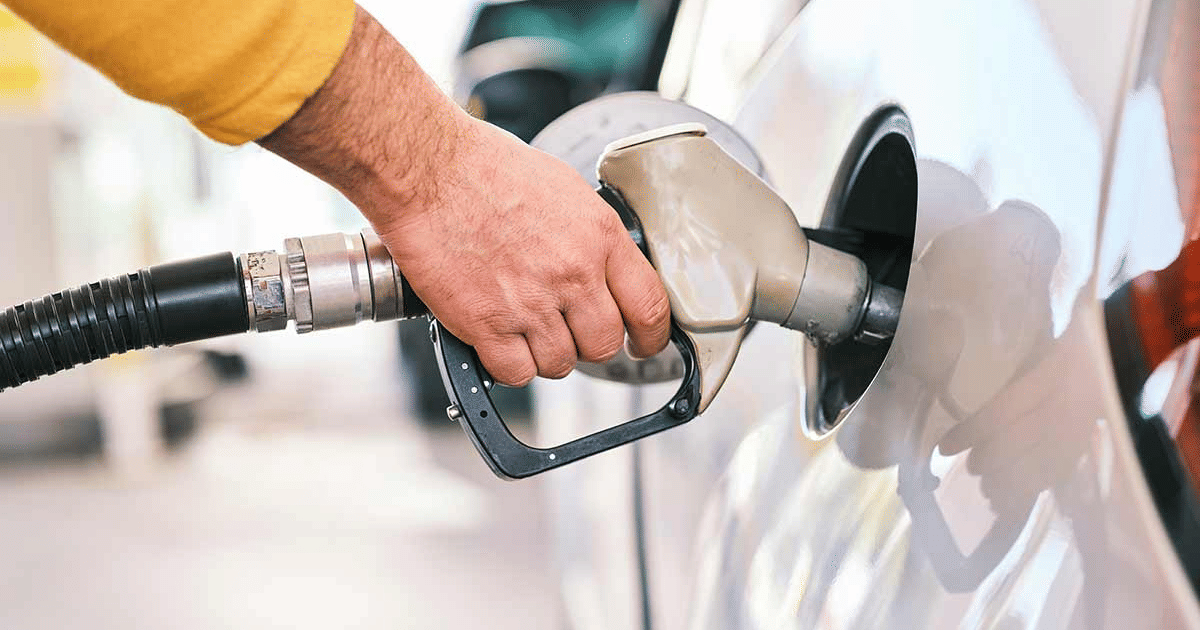
UAE Fuel Prices Jump Up to 10% in May 2026 as Global Oil Instability Bites
UAE Schools to Close for Nine-Day Eid Al Adha Break Starting May 25

Mammootty and Mohanlal Reunite in Spy Thriller 'Patriot' as Advance Sales Top Rs 9 Crore