Iran Fires Warning Shots Near U.S. Warships in Strait of Hormuz
Tehran says it launched missiles and drones after American vessels ignored repeated warnings, blaming any escalation on Washington.

UAE —
Key facts
- Iranian navy fired warning shots and drones near U.S. naval vessels in the Strait of Hormuz.
- Tehran accused the U.S. ships of approaching the strait after ignoring warnings.
- U.S. Treasury chief Bessent declared 'We have absolute control of the Strait.'
- CENTCOM confirmed U.S. Navy guided-missile destroyers entered the Gulf.
- Two U.S.-flagged merchant vessels transited the strait.
- Iranians fear the regime has become more entrenched and vengeful after the war.
A Confrontation in the World’s Most Vital Waterway
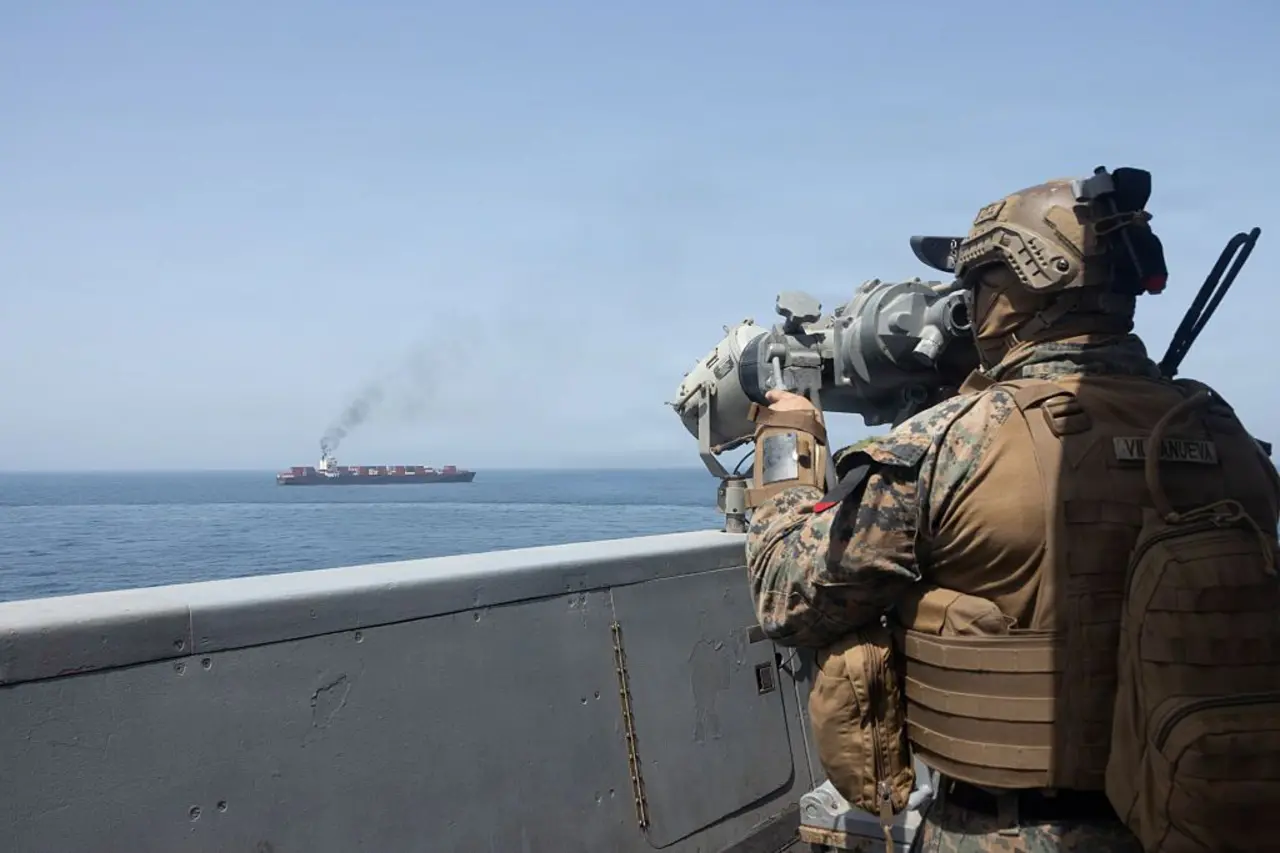
The Iranian navy fired warning missiles and drones near American warships in the Strait of Hormuz on Wednesday, after accusing the vessels of ignoring repeated warnings. Tehran declared that any escalation or consequences in the critical maritime corridor would be the responsibility of the United States. The strait, a narrow passage between the Persian Gulf and the Gulf of Oman, handles about a fifth of the world’s oil supply. Any disruption there sends shockwaves through global energy markets and military alliances alike.
U.S. Treasury Chief Claims Absolute Control
U.S. Treasury Secretary Scott Bessent stated bluntly that Iran does not control the Strait of Hormuz. 'We have absolute control of the Strait,' he said, underscoring Washington’s determination to keep the waterway open. Hours earlier, U.S. Central Command confirmed that Navy guided-missile destroyers had entered the Gulf and that two U.S.-flagged merchant vessels had successfully crossed the strait. The deployment appeared designed to test Tehran’s resolve and reassure commercial shipping.
Iran’s Warning Shots and the Risk of Escalation
Iran’s navy said it launched warning projectiles—both missiles and drones—after the American ships failed to heed its alerts. The precise number of vessels involved and the distance at which the warnings were fired have not been disclosed. such close encounters risk a miscalculation that could spiral into open conflict. The Strait is already a flashpoint: in 2019, Iran seized several tankers, and the U.S. has repeatedly sent warships to patrol the area.
Iranians Fear a More Entrenched and Vengeful Regime
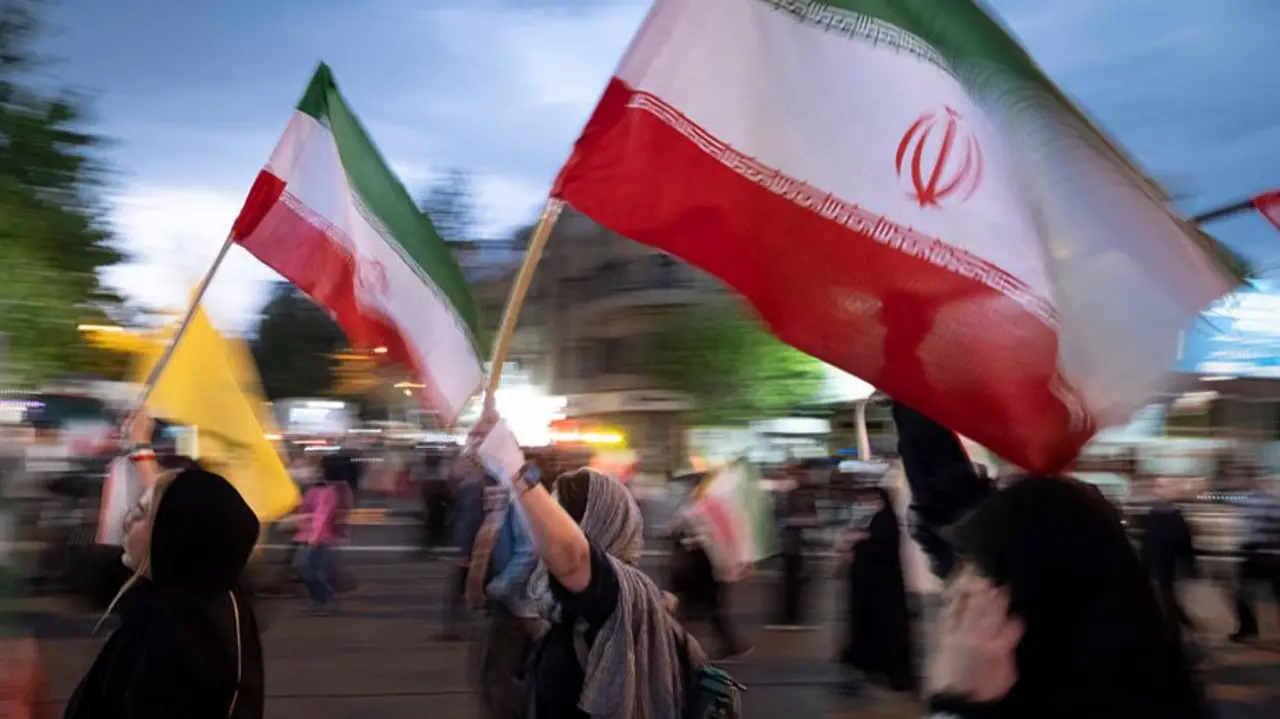
Inside Iran, the confrontation comes amid deepening anxiety. Iranians say the regime has not weakened after the war but has instead become more entrenched and inclined to retaliate. There are widespread fears of a fresh wave of internal crackdowns and revenge against dissent. The dual pressure of external confrontation and internal repression has left many citizens feeling trapped. The regime’s willingness to challenge the U.S. Navy head-on is seen as a sign that it is not seeking de-escalation.
Regional Repercussions and the Syrian Dimension
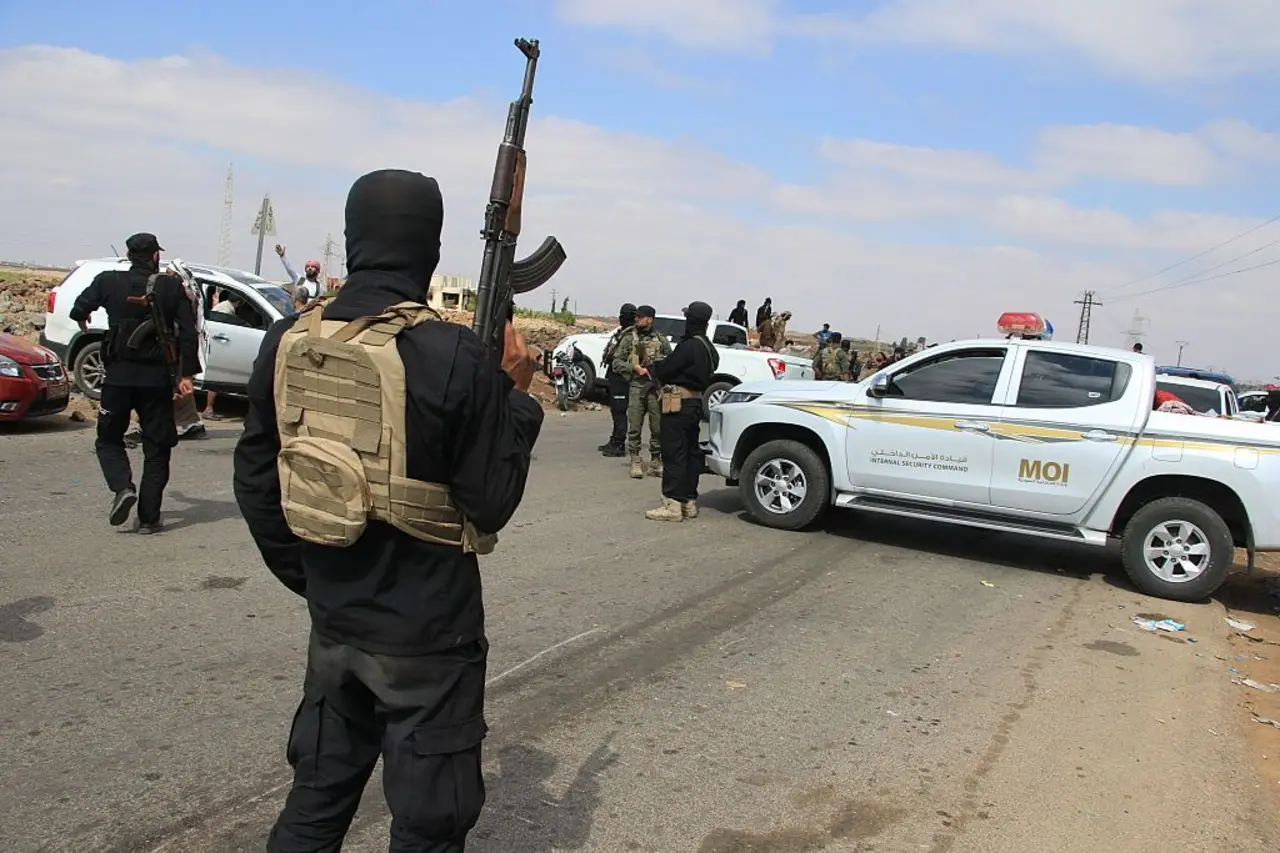
The standoff in the Gulf coincides with renewed violence in southern Syria. Clashes erupted between forces loyal to the transitional government in Damascus and Druze factions led by Sheikh Hikmat al-Hijri in the province of Suwayda. The Druze National Guard, aligned with al-Hijri, has been battling government troops for days. While not directly linked to the Hormuz incident, the simultaneous flare-ups highlight a wider arc of instability across the Middle East. Iran backs the Syrian government, while the Druze have historically maintained a degree of autonomy.
What Comes Next: A Test of Wills
Both sides have drawn red lines. Iran insists it will defend its territorial waters and has warned of consequences if U.S. vessels continue to approach. Washington, through Bessent’s remarks, has signaled it will not yield. The immediate risk is that a similar encounter—perhaps with less restraint—could trigger a broader exchange. For now, commercial shipping continues to transit the strait, but insurers are likely to raise premiums. The world watches as two navies play a high-stakes game of chicken in a 30-kilometer-wide channel.
The bottom line
- Iran fired warning missiles and drones at U.S. warships in the Strait of Hormuz after accusing them of ignoring warnings.
- U.S. Treasury Secretary Bessent declared 'absolute control' of the strait, while CENTCOM confirmed destroyers and merchant vessels had passed through.
- Iranians inside the country fear the regime has grown more entrenched and vengeful, raising prospects of internal repression.
- The incident coincides with Druze-government clashes in Syria, underscoring broader regional instability.
- The standoff risks a miscalculation that could disrupt global oil shipments and escalate into direct military confrontation.


Khaleej Times Digital Edition Replicates Print Experience for UAE Readers

Iran Drone Swarm Strikes ADNOC Tanker in Strait of Hormuz as UAE Issues Missile Alerts

Iran Fires Missiles at US Destroyer Near Hormuz as Executions Continue
