The case of Jet Fuel
In France, data from the Ministry of Energy shows that before the war in the Middle East 50% of the country’s jet fuel was refined in France and 20% in the Middle East with the remaining 30% shipped from Europe, the US and Asia.

UAE —
In France, data from the Ministry of Energy shows that before the war in the Middle East 50% of the country’s jet fuel was refined in France and 20% in the Middle East with the remaining 30% shipped from Europe, the US and Asia. Jet Fuel has emerged this Saturday as one of the stories drawing attention in UAE.
Key facts
- In France, data from the Ministry of Energy shows that before the war in the Middle East 50% of the country’s jet fuel was refined in France and 20% in the Middle East with the remaining 30% shipped from Europe, the US and Asia.
- In addition, commercial stockpiles stored in airports would cover around 10 days of operations and reserves of crude oil could be converted into jet fuel if needed.
- Carriers in Europe recoil over jet fuel prices, forcing them to sharply cut flight schedules and pass on charges to travellers ahead of the peak season.
- The latest figures from the International Air Transport Association (IATA) point to a 105.7% increase in jet fuel prices in Europe since last year, leaving summer travel plans hanging in the balance as carriers like Turkish Airlines, Transavia France and Lufthansa ground planes and suspend flight routes.
- This comes as Lufthansa announced earlier this month that it had grounded 20,000 flights in a bid to curb jet fuel costs.
What we know
Going deeper, In addition, commercial stockpiles stored in airports would cover around 10 days of operations and reserves of crude oil could be converted into jet fuel if needed.
On the substance, Carriers in Europe recoil over jet fuel prices, forcing them to sharply cut flight schedules and pass on charges to travellers ahead of the peak season.
Beyond the headlines, the latest figures from the International Air Transport Association (IATA) point to a 105.7% increase in jet fuel prices in Europe since last year, leaving summer travel plans hanging in the balance as carriers like Turkish Airlines, Transavia France and Lufthansa ground planes and suspend flight routes.
More precisely, this comes as Lufthansa announced earlier this month that it had grounded 20,000 flights in a bid to curb jet fuel costs.
It is worth noting that Lufthansa Group cancels 20,000 flights as jet fuel prices soar.
By the numbers
“The price of kerosene has more than doubled due to the war in the Middle East and fuel accounts for up to 40 percent of the cost of an airline ticket,” he added.
On a related note, Gulf countries do not just export their crude oil, but also refined products such as Jet A-1, the most commonly used aviation kerosene.
Going deeper, Meanwhile, SunExpress, a joint venture between Turkish Airlines and Lufthansa, will introduce a €10 “temporary fuel surcharge” on passengers from May, covering all routes from Türkiye to Europe.
“France produces much less kerosene than it consumes,” said Wouter Dewulf, a professor in the Department of Transport and Regional Economics at the University of Antwerp and AMS. “About 3 million tonnes are produced by French factories each year, while the country consumes 5 million.
What they're saying
“It’s not so much a fuel shortage issue as an issue of profitability,” said Bros. “With the rising price of kerosene, a company like Transavia has no other choice but to increase ticket prices.
“Airlines cancel flights for economic reasons,” Bregeon agreed. “They are flights that are not profitable due to increased fuel costs.”
“The current geopolitical context in the Middle East and its repercussions on the price of aviation fuel” is what caused the cancellations, Transavia said in a statement to AP, without mention of which flight paths have been axed.
The wider context
On a related note, Low-cost airline Transavia this week announced its first flight cancellations in May and June, citing skyrocketing prices for kerosene, a widely used aviation fuel.
Going deeper, as the war in the Middle East continues, European carriers are braced for more cancellations but hope to avoid a fuel shortage that will ground their fleets this summer.
On the substance, as the blockade in the Strait of Hormuz continues to disrupt global oil markets, concerns are rising that Europe will run out of jet fuel weeks before the peak summer travel months.
Beyond the headlines, the clock started ticking in mid-April, when the head of the International Energy Agency warned Europe had “maybe six weeks of jet fuel left”.
More precisely, the ripple effect of the Middle East conflict continues to rattle Europe’s commercial aviation sector amid sky high costs for jet fuel.
The bottom line
- The latest figures from the International Air Transport Association (IATA) point to a 105.7% increase in jet fuel prices in Europe since last year, leaving summer travel plans hanging in the balance as carriers like Turkish Airlines, Transavia France and Lufthansa ground planes and suspend flight routes.
- This comes as Lufthansa announced earlier this month that it had grounded 20,000 flights in a bid to curb jet fuel costs.
- As the war in the Middle East continues, European carriers are braced for more cancellations but hope to avoid a fuel shortage that will ground their fleets this summer.


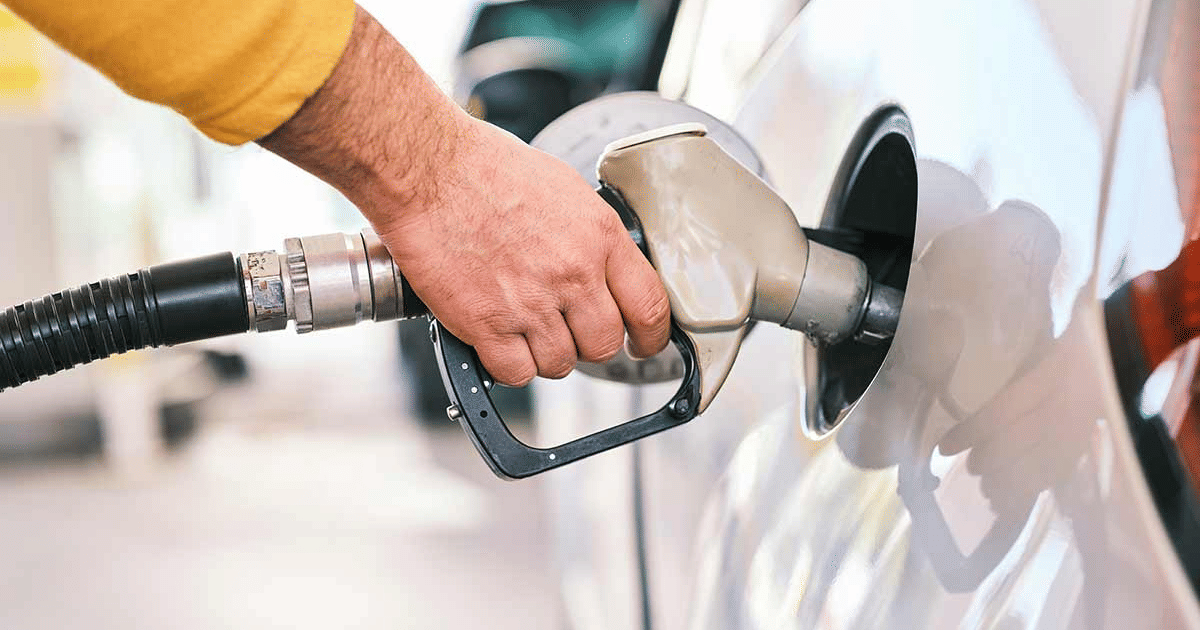
UAE Fuel Prices Rise Sharply in May 2026 as Brent Crude Tops $120
UAE Announces Five-Day Eid Al Adha School Break, Exam Schedule for 2026
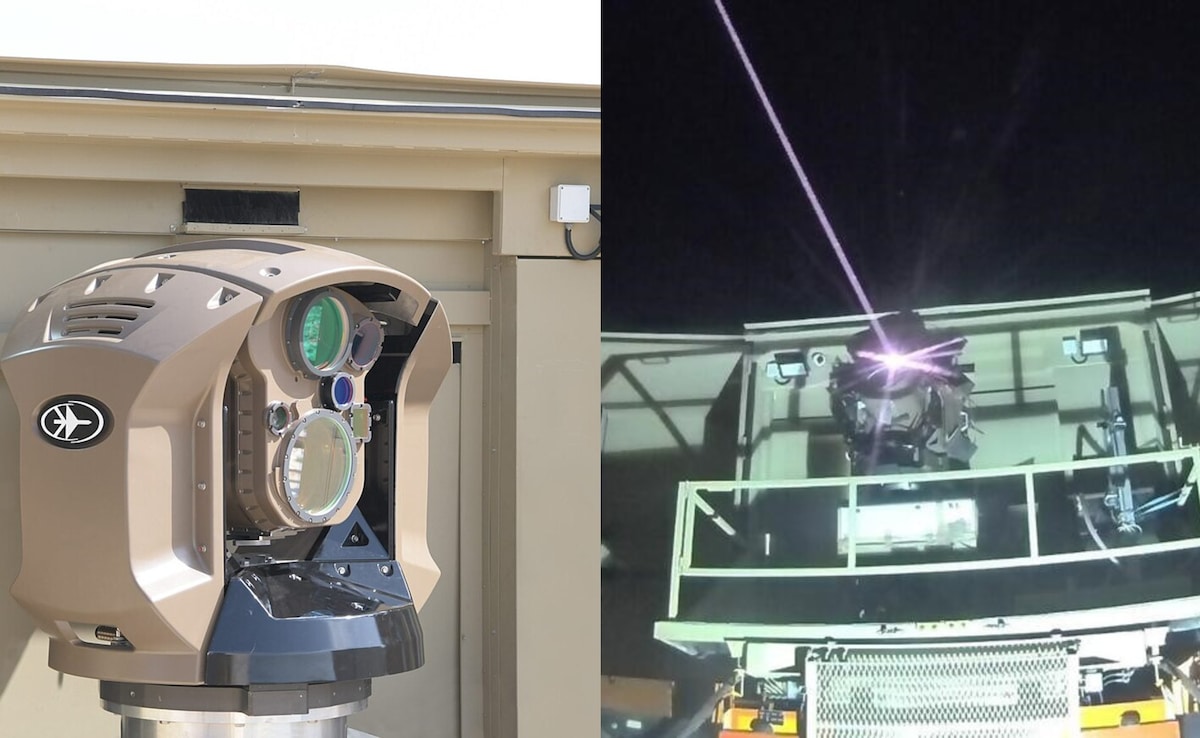
Israel Deploys Iron Beam Laser Defence System to UAE Amid Iranian Threats