Drone Strike on Khartoum Airport Kills 17 in Family of Defected RSF Commander
A second attack in a week shatters months of calm in the capital, as the paramilitary group targets infrastructure and civilians amid a widening civil war.
UAE —
Key facts
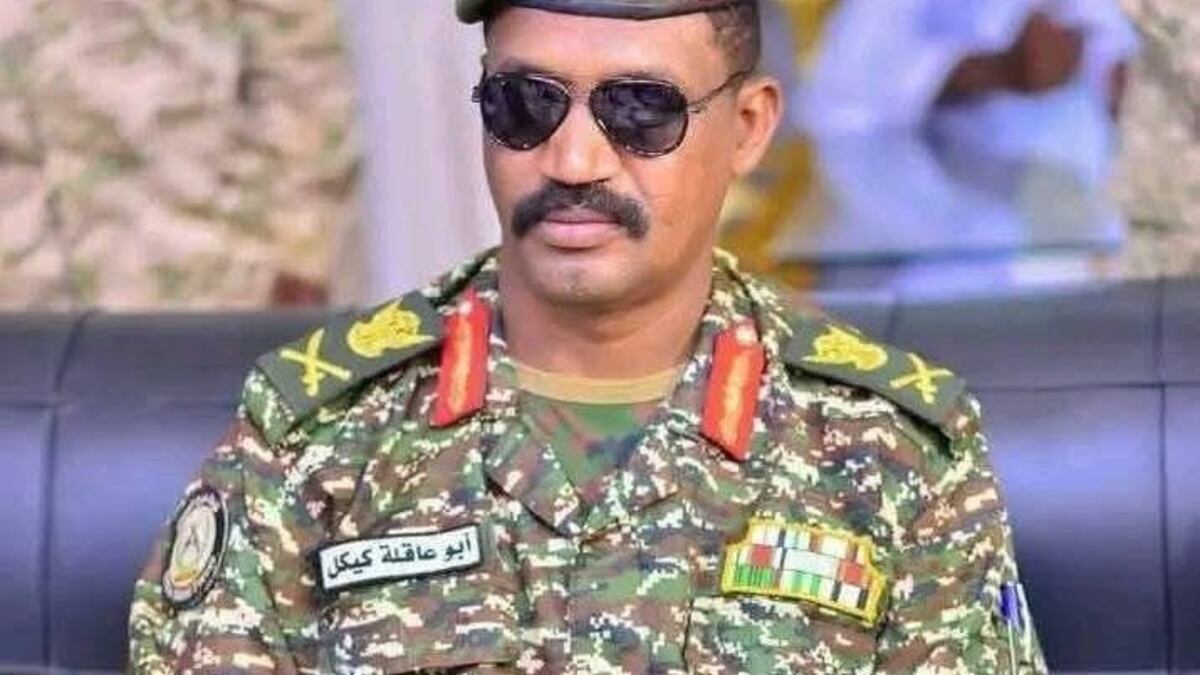
- A drone strike blamed on the RSF killed 17 members of the family of Abu Aqla Kaikal, a former RSF commander who defected to the army in 2024.
- A separate drone targeted Khartoum International Airport, suspending operations; no casualties or material damage reported.
- The attack on Kaikal's home in Al Kahly Zeidan, Al Jazeera state, occurred late Saturday; his younger brother Azzam was among the dead.
- five civilians killed in a separate drone strike in Khartoum on Saturday, the second in a week.
- Nearly 700 civilians have been killed in drone strikes in Sudan in the first three months of this year.
- Army chief Gen Abdel Fattah Al Burhan visited the site of the attack on Sunday night, blaming the RSF.
- Kaikal's Sudan Shield fighters are now operating in Kordofan and Blue Nile regions.
- The RSF has not claimed responsibility for the attack on Kaikal's home.
Attack on Defector's Family
A drone strike blamed on Sudan’s Rapid Support Forces has killed 17 members of the family of a former paramilitary officer who defected to the army, witnesses and officials said on Monday. The attack hit the home of Abu Aqla Kaikal in the village of Al Kahly Zeidan, in Al Jazeera state, south of Khartoum, late on Saturday. Among those killed was his younger brother, Azzam. Kaikal, an experienced military commander, defected to the army in 2024 and played a pivotal role in recapturing Al Jazeera state, Sudan’s agricultural heartland, before pushing towards Khartoum. His Sudan Shield fighters, an auxiliary force allied with the army, are now in Kordofan in western Sudan and Blue Nile in the south. It was not clear whether Kaikal was in the house at the time of the attack, but a video clip widely shared on Monday purported to show him in the region of Kordofan.
Khartoum Airport Targeted
A separate drone, also suspected to have been launched by the RSF, targeted Khartoum International Airport, leading to operations being suspended, the military-aligned Ministry of Information said. The ministry added that there were no casualties nor material damage. “Normal aviation operations will soon resume at Khartoum Airport once routine measures are completed,” a statement read. Video clips posted online show smoke rising from what was purportedly the airport’s grounds. The National could not independently verify the footage. The attack is the second on the capital within a week, following months of relative calm after government forces regained control last year.
Civilian Toll and Legal Accusations
Emergency Lawyers, an independent legal group supporting victims of human rights violations in Sudan, reported on Saturday that a drone strike by the RSF killed five civilians in Khartoum. The NGO said it holds the RSF fully responsible, accusing the group of breaching international humanitarian law. The incident forms part of an ongoing pattern of attacks on civilians, the group said. Nearly 700 civilians were killed in drone strikes in the first three months of this year, a drone struck a hospital in the Jebel Awliya area, around 40 kilometres south of central Khartoum, a security source and eyewitnesses told the AFP news agency. It was the first such attack in the area in months.
Military Dynamics and Defections
Kaikal had been the most senior RSF commander to defect to the army until last month, when Maj Gen Al Nour Ahmed Adam fled from the RSF-held western region of Darfur and joined the armed forces in northern Sudan. In a video clip, Kaikal said, “Targeting women and children is a crime that lays bare the nature of the militia [RSF] and will not negatively impact on combat operations or the morale of the fighters.” The RSF has not claimed responsibility for the attack on Kaikal’s home. The army chief and Sudan’s de facto leader, Gen Abdel Fattah Al Burhan, visited Al Kahly Zeidan on Sunday night to offer his condolences, the military-led Sovereign Council said, blaming the attack on the RSF.
Shifting Frontlines and Regional Spread
The Sudanese army, which now enjoys a solid grip in the north and east, launched a rapid counteroffensive last year that pushed the paramilitary forces out of the capital. Following intense fighting, Sudan’s military government declared the Khartoum region “completely free” of RSF. Since then, the RSF has largely concentrated on expanding its control in its stronghold in the western Darfur region and pushing into neighbouring areas, capturing valuable oil-producing assets. Violence has also spread to southeastern Blue Nile state near the border with Ethiopia, raising fears of a more prolonged and fragmented conflict. The RSF carried out a series of drone strikes on Khartoum last year, largely targeting military sites, power stations and water infrastructure.
Return of Displaced and Fragile Calm
In recent months, the capital has seen relative calm. More than 1.8 million displaced residents have returned, and the airport has resumed domestic flights. That said, much of the city remains without electricity or basic services. The latest attacks threaten to undermine the fragile stability that had allowed some normalcy to return. The drone strike on the airport, while causing no damage, suspended operations and serves as a reminder of the RSF’s continued ability to strike the capital. The resumption of attacks on civilians and infrastructure suggests the conflict is far from over, despite the army’s territorial gains.
Outlook: Escalation Risks and Humanitarian Concerns
With the RSF expanding its drone campaign and the army consolidating control, the civil war now entering its fourth year shows no signs of abating. The targeting of a defector’s family underscores the personal vendettas that fuel the conflict, while the attack on the airport signals a strategic intent to disrupt the capital’s recovery. International calls for protection of civilians have intensified, but the UN figures of nearly 700 drone-strike deaths in three months highlight the scale of the crisis. As the RSF pushes into new regions and the army seeks to maintain its hold, the risk of further fragmentation and humanitarian catastrophe grows.
The bottom line
- The RSF drone strike on the home of defected commander Abu Aqla Kaikal killed 17 family members, including his brother, and drew a visit from army chief Gen Burhan.
- A simultaneous drone attack on Khartoum International Airport suspended operations but caused no casualties or damage.
- five civilians killed in a separate RSF drone strike in Khartoum, the second in a week, amid a pattern of attacks on civilians.
- Nearly 700 civilians have been killed in drone strikes in Sudan in the first quarter of 2025, per UN figures.
- The army has regained control of Khartoum, but the RSF continues to strike the capital and expand in Darfur and other regions.
- Over 1.8 million displaced residents have returned to Khartoum, but the city lacks basic services and remains vulnerable to attacks.


Aaron Hardie's historic all-round performance powers Peshawar Zalmi to second PSL title

Smaran Ravichandran Makes IPL Debut for Sunrisers Hyderabad as Nitish Kumar Reddy Sidelined by Illness
Hyderabad Kingsmen Chase Fairytale Finish Against Peshawar Zalmi in PSL 11 Final