Fujairah Port Resumes Operations After Drone Attack Disrupts Oil Hub
The UAE's critical oil export and bunkering hub navigates disruptions amid escalating regional tensions.
UAE —
Key facts
- Fujairah has become a critical export and bunkering hub due to the Strait of Hormuz closure.
- The Fujairah Petroleum Industries Zone was targeted by a drone attack earlier this week.
- The attack caused a fire and sent oil prices surging.
- Port operations at Fujairah and Khor Fakkan are now stable and resuming.
- in offshore areas of Fujairah.
- RAK Ports Group will implement a Marine Risk Surcharge for vessels calling at its ports.
- The Strait of Hormuz has been closed for nearly nine weeks.
Fujairah Emerges as Vital Artery Amidst Strait of Hormuz Blockade
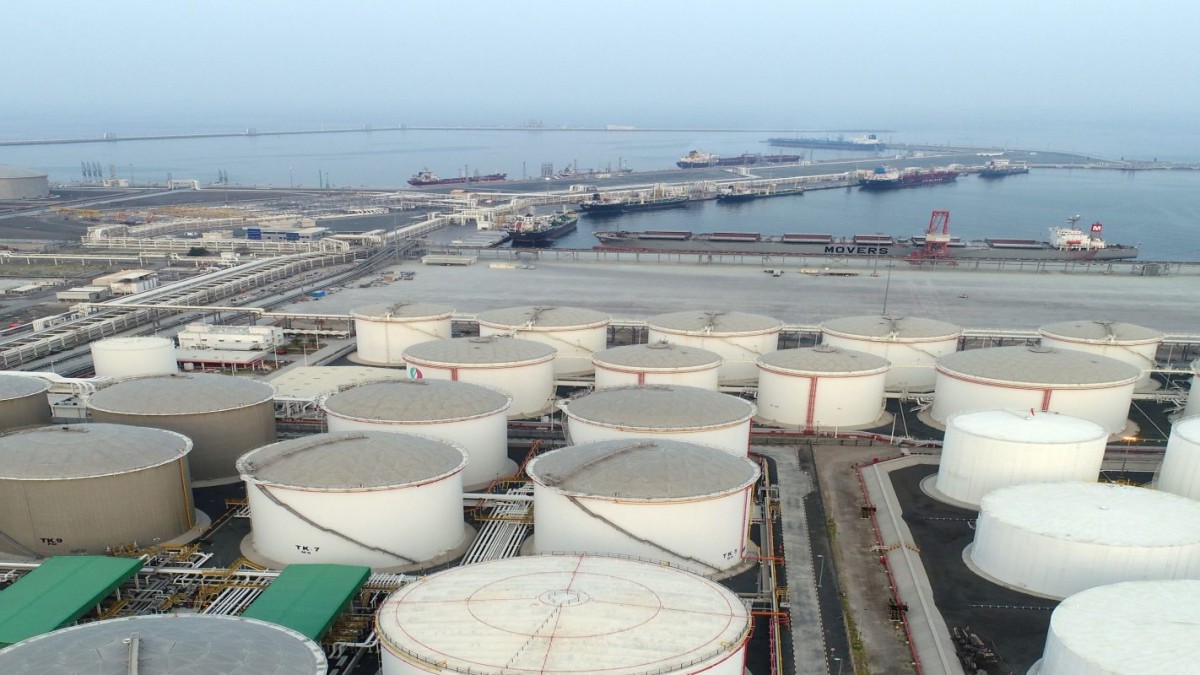
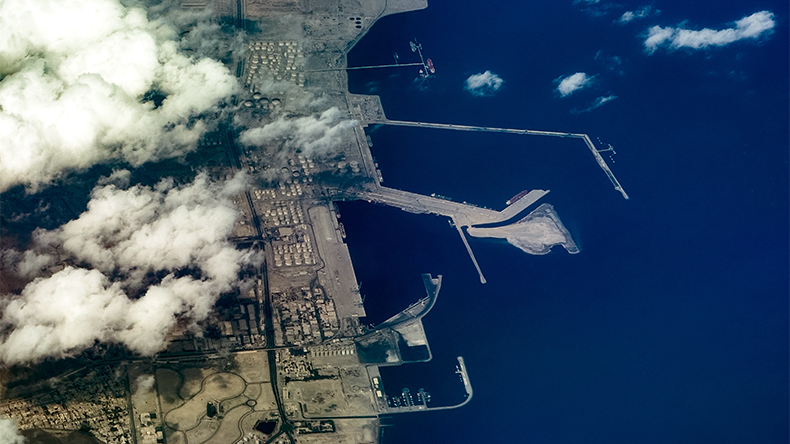
Fujairah, strategically positioned on the UAE's east coast, has ascended to become a paramount export and bunkering hub. Its significance has magnified as the Strait of Hormuz, a critical global oil chokepoint, remains closed for nearly nine weeks. This closure has compelled the UAE to rely on Fujairah as one of the few viable routes for its crude and fuel exports to reach international markets. The Abu Dhabi Crude Oil Pipeline plays a crucial role, enabling substantial volumes to bypass the blocked strait. While this infrastructure offers a vital alternative, it cannot entirely compensate for the loss of regional export capacity. The port's growing strategic importance has, in turn, made it a focal point for escalating regional tensions and a potential target. Fujairah represents the UAE's sole access point to the Indian Ocean. This unique position outside the Strait of Hormuz makes it indispensable for oil exports that do not traverse the perilous chokepoint. Beyond its role as an export gateway, Fujairah serves as a substantial hub for stored crude and fuels and is a primary location for ship refueling.
Drone Attack Ignites Fire, Rattles Global Markets
The escalating strategic value of Fujairah was underscored earlier this week when the Fujairah Petroleum Industries Zone became the target of a drone attack. The incident, which occurred shortly after the United States announced Project Freedom to escort ships through the Strait of Hormuz—a project now paused—resulted in a significant fire. This attack sent shockwaves through global energy markets, causing oil prices to surge. The incident highlighted the vulnerability of key oil infrastructure located outside the Strait of Hormuz and its direct impact on international shipping routes and commodity prices. In the immediate aftermath, civil defence forces contained the fire. Port access has since been reopened, and no further drone activity or alerts have been reported. Cargo operations at the main quay are resuming, with bunkering and anchorage services continuing without interruption.
Port Operations Stabilize Amidst Ongoing Navigational Alerts
Following the incident, the situation at Fujairah and Khor Fakkan ports has stabilized. The Fujairah Oil Tanker Terminal (FOTT) is reported to be largely operational, with berths 4 and 5 designated to enhance cargo handling and alleviate congestion. General cargo and container discharge operations are proceeding as scheduled at both terminals. However, a maritime risk notice has been disseminated, addressing reported instances of intermittent GPS signal spoofing and jamming in offshore areas near Fujairah. These disruptions can lead to a loss of positional accuracy on Electronic Chart Display and Information Systems (ECDIS), potentially causing erratic vessel movements and misleading positional data. Mariners are advised to consider this area high-risk. Elsewhere, Khalifa port terminals are operating normally. Ship-to-ship (STS) operations have resumed in Dubai waters anchorage with tug assistance, though each operation will be assessed individually. Ruwais and Abu Dhabi petroleum ports are also operational, with AD Ports confirming all managed UAE ports remain fully open and functioning as usual.
Regional Ports Implement Surcharges and Enhanced Scrutiny
In response to the heightened security environment and potential disruptions, RAK Ports Group will implement a Marine Risk Surcharge. This surcharge will apply to all vessels calling at its ports, harbours, anchorages, and approaches. The measure reflects the increased operational complexities and risks associated with navigating the region. Oman's ports remain fully operational. However, vessels calling at Omani ports must submit an official letter confirming they are not carrying dangerous goods. If dangerous cargo is present, its type must be specified, and the vessel must await Ministry approval before entering Omani territorial waters. At the Mina Al Fahal terminal, a crude oil loading facility, vessels are required to ensure their Doppler log is fully operational due to ongoing GPS interference. Vessels lacking a functioning Doppler log will not be berthed due to safety requirements. Both the Qalhat LNG terminal and Mina al Fahal are operating under ISPS Level 2, requiring vessels to inform port control of any IMDG or military cargo on board to obtain permission.
Broader Geopolitical Context and Economic Repercussions
The events in Fujairah occur against a backdrop of significant geopolitical tensions, including recent drone attacks on a refinery in Kirishi, Russia, and claims of missile strikes on U.S. interests by Iran. The nearly nine-week closure of the Strait of Hormuz, a critical artery for approximately 30% of the world's seaborne oil trade, has already exerted considerable pressure on global energy supplies and prices. Fujairah's role as one of the world's most critical and largest ship-refueling sites, alongside hubs like Singapore and Rotterdam, amplifies the impact of any disruption. The port is not only a transit point but also a major storage facility, making it central to regional and global energy logistics. The temporary suspension of entry permits for foreign vessels arriving from Iraqi ports adds another layer of complexity to regional maritime traffic. The situation underscores the fragility of global supply chains and the significant economic consequences that can arise from localized conflicts and infrastructure attacks.
Navigating Uncertainty: The Path Forward for Fujairah
While Fujairah's port operations have largely stabilized, the underlying security concerns persist. GPS interference and the broader regional instability create an environment of ongoing uncertainty for shipping and energy markets. The resilience of Fujairah as a critical energy hub will be tested as long as the Strait of Hormuz remains closed and regional tensions continue. The implementation of surcharges and enhanced scrutiny by neighbouring ports indicates a proactive approach to managing these evolving risks. Moving forward, the ability of Fujairah and the wider UAE to maintain the flow of oil exports and bunkering services will be closely watched. The situation remains fluid, with conditions subject to rapid change based on geopolitical developments and local authority guidance.
The bottom line
- Fujairah's strategic importance as an oil export and bunkering hub has surged due to the prolonged closure of the Strait of Hormuz.
- A recent drone attack on the Fujairah Petroleum Industries Zone caused a fire and led to a spike in oil prices.
- Port operations at Fujairah and Khor Fakkan have resumed, but concerns over GPS interference and regional instability persist.
- Neighbouring ports, including RAK Ports and Omani facilities, are implementing new surcharges and stricter protocols for vessels.
- The ongoing disruption highlights the vulnerability of global energy supply chains to geopolitical events and attacks on critical infrastructure.



CMA CGM Vessel Attacked in Strait of Hormuz, Crew Injured

Tamil Nadu Governor Hesitates on Vijay's Government Bid Amidst Hung Assembly
Tamil Nadu Governor Hesitates as Actor Vijay's Party Falls Short of Majority