RAF Gunners Intercepted Over 100 Drones and Missiles in Six Weeks at Iraqi Base
British forces at a coalition base in Iraq faced up to 28 projectiles per day after US-Israeli strikes on Iran, with no direct hits in the final three weeks.

UAE —
Key facts
- RAF Regiment soldiers intercepted more than 100 projectiles over a six-week period.
- At the peak, the base was targeted by up to 28 drones and missiles per day.
- A temporary ceasefire was agreed in April 2024.
- The base has hosted UK, US, and other coalition forces for over 10 years to counter Daesh.
- RAF deployed C-UAS teams using the Rapid Sentry system and LMM missiles.
- Several RAF personnel achieved 'ace' status by neutralizing five or more threats.
- The base became a major target for Iran and proxy groups after US-Israeli strikes on Iran.
Lede: A Coalition Base Under Siege
At the height of hostilities following the initial US-Israeli attack on Iran, a coalition base in Iraq faced as many as 28 drones and missiles per day, according to reports. British soldiers from the Royal Air Force Regiment were responsible for intercepting more than 100 projectiles over a six-week period before a temporary ceasefire was agreed in April. The base, which has hosted UK, US, and other armed personnel for more than a decade as part of efforts to counter Daesh, became one of the most targeted sites in the early stages of the conflict. Remarkably, there were no direct hits on the base for three weeks before the ceasefire.
The RAF Regiment's Around-the-Clock Defense
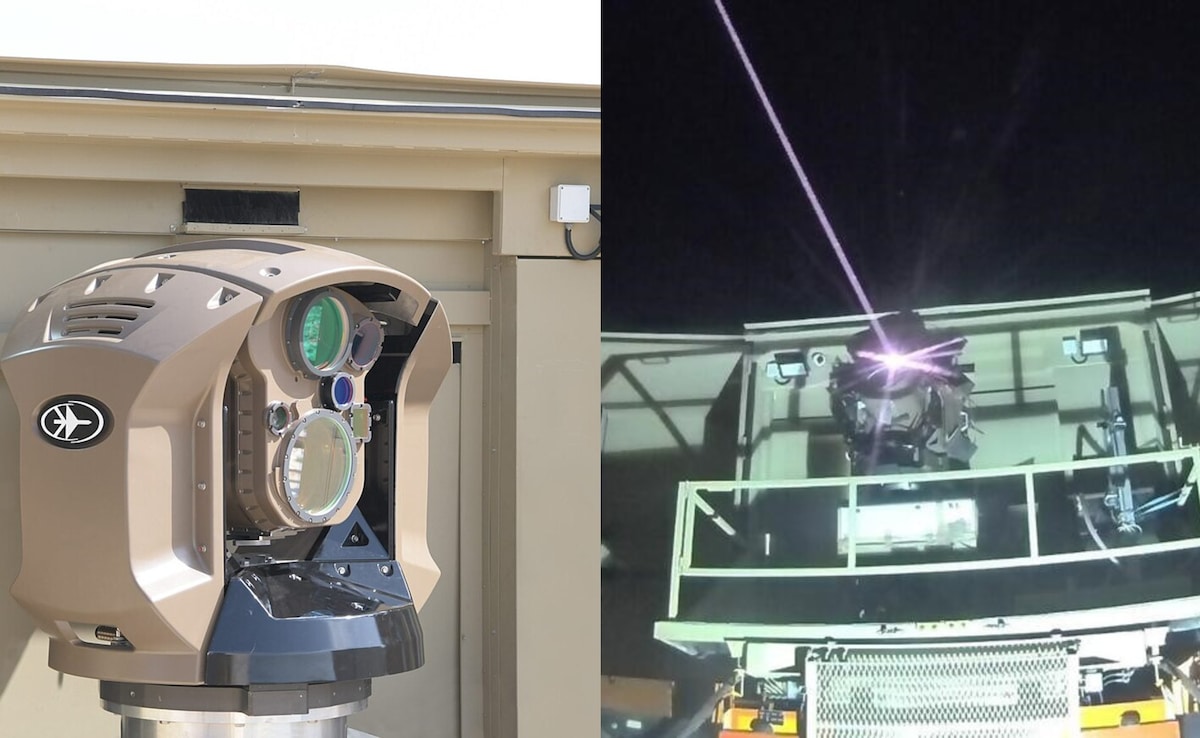
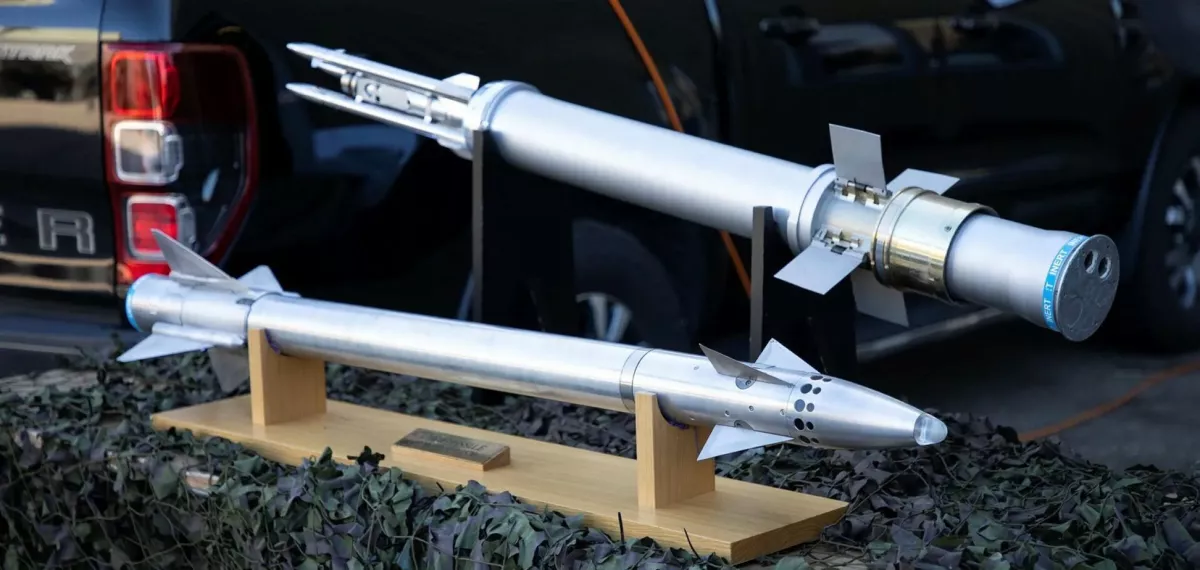
The UK Ministry of Defence stated that RAF Regiment gunners have been working “around the clock” over recent months to protect British personnel, as well as allied forces and regional partners, from sustained drone attacks. They deployed counter-uncrewed aerial system (C-UAS) teams operating the Rapid Sentry system to intercept drone threats across the Middle East. The teams used the Lightweight Multirole Missile (LMM) to engage and destroy hostile unmanned aerial systems. According to the Ministry, several personnel have now achieved “ace” status after successfully neutralising five or more incoming threats.
A Base at the Heart of Regional Tensions
The base has been a key hub for coalition operations against Daesh for over ten years, hosting UK, US, and other armed personnel. However, it has also become a major target for Iran and proxy groups retaliating after the US-Israeli strikes on Iran began. The intense barrage of drones and missiles underscored the base's strategic importance and the heightened risk to coalition forces. The fact that no direct hits occurred in the final three weeks suggests that the defensive measures, including the RAF's C-UAS teams, were effective in mitigating the threat.
Numbers and Timelines of the Conflict
At the peak of the conflict, the base was targeted by up to 28 drones and missiles per day. Over a six-week period, British soldiers intercepted more than 100 projectiles, averaging roughly 2.4 per day but with much higher concentrations at the height of hostilities. The temporary ceasefire agreed in April brought a halt to the daily attacks, but the underlying tensions remain. The base had not suffered a direct hit for three weeks prior to the ceasefire, indicating a possible de-escalation or improved defensive capabilities.
Wider Context: Iran and Proxy Group Retaliation
The attacks on the coalition base were part of a broader pattern of retaliation by Iran and its proxy groups following the US-Israeli strikes on Iran. The base, used for counter-Daesh operations, became a symbol of coalition presence in the region and thus a prime target. The RAF's deployment of C-UAS teams and the use of LMM missiles highlight the evolving nature of modern warfare, where drone threats require specialized countermeasures. The achievement of 'ace' status by several personnel underscores the intensity and frequency of engagements.
What Comes Next: Uncertain Ceasefire and Ongoing Threats
The temporary ceasefire agreed in April has provided a respite, but it is unclear whether it will hold. The base remains a potential target if hostilities resume. The UK Ministry of Defence has not indicated whether the C-UAS teams will remain deployed or if the threat level has diminished. The broader conflict between Iran and the US-Israeli alliance continues to simmer, with the base in Iraq likely to remain a flashpoint. The RAF's experience in intercepting drones and missiles will inform future defensive strategies.
Closing Analysis: A Test of Modern Air Defense
The six-week barrage at the Iraqi base tested the limits of coalition air defense, particularly against low-cost drones and missiles. The RAF's success in intercepting over 100 projectiles without a single direct hit in the final weeks demonstrates the effectiveness of systems like Rapid Sentry and LMM. However, the sheer volume of attacks—up to 28 per day—highlights the vulnerability of static bases to sustained drone swarms. As drone technology proliferates, such defenses will become increasingly critical. The 'ace' status achieved by several gunners is a testament to the skill and endurance required in this new form of warfare.
The bottom line
- RAF Regiment gunners intercepted over 100 drones and missiles over six weeks at a coalition base in Iraq.
- At the peak, the base faced up to 28 projectiles per day after US-Israeli strikes on Iran.
- A temporary ceasefire was agreed in April, with no direct hits on the base for three weeks prior.
- The base has been a coalition hub for over a decade to counter Daesh and became a target for Iran and proxy groups.
- RAF deployed C-UAS teams with Rapid Sentry and LMM missiles, and several personnel achieved 'ace' status.
- The conflict underscores the growing threat of drone swarms and the need for advanced countermeasures.






UAE Fuel Prices Rise Sharply in May 2026 as Brent Crude Tops $120
UAE Announces Five-Day Eid Al Adha School Break, Exam Schedule for 2026

United Kingdom — and what comes next