Pakistan's Oil Import Bill Triples to $800 Million as US-Iran War Wrecks Economy, PM Sharif Says
Prime Minister Shehbaz Sharif warns that the conflict has erased two years of economic progress, as the central bank raises rates and analysts warn of cascading crises.

UAE —
Key facts
- Pakistan's oil import bill surged from $300 million to $800 million due to the US-Iran war.
- The State Bank of Pakistan raised its key policy rate by 1 percentage point to 11.5%.
- Prime Minister Shehbaz Sharif said the war has erased all economic progress made over the past two years.
- Iranian Foreign Minister Abbas Araghchi visited Pakistan for talks, including a two-hour session with Sharif.
- A 21-hour US-Iran negotiation session was held in Islamabad on April 11, leading to an extended ceasefire.
- Pakistan is under strict IMF supervision, limiting its ability to subsidize fuel or increase spending.
- Economist Kamran Butt warned that oil price hikes trigger a chain reaction increasing poverty and unemployment.
- Field Marshal Asim Munir, Deputy PM Ishaq Dar, and other officials contributed to mediation efforts.
A $500 Million Monthly Shock
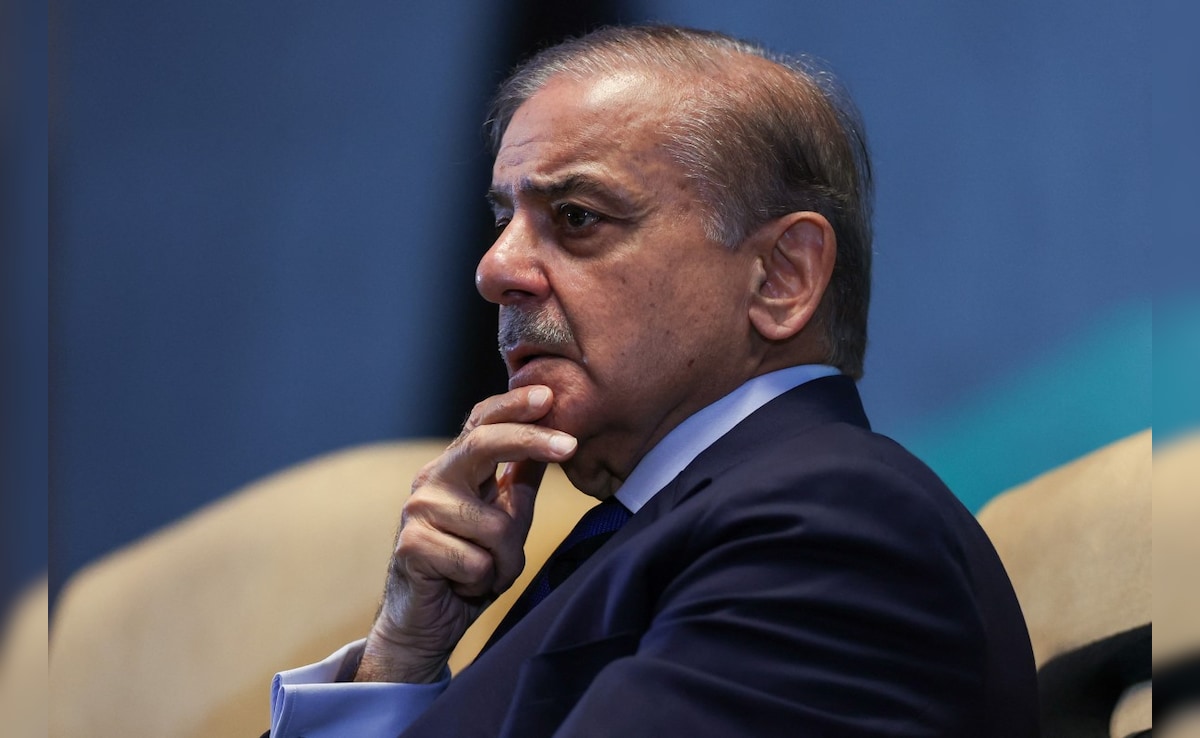
Pakistan's oil import bill has tripled to $800 million a month, Prime Minister Shehbaz Sharif told his cabinet on Wednesday, attributing the surge to the war between the United States and Iran. Before the conflict, the country spent $300 million monthly on imported fuel. Sharif said the increase has wiped out all the economic gains Pakistan had made over the past two years. The prime minister spoke during a cabinet meeting in Islamabad, where he outlined the mounting pressure on an already fragile economy. He noted a reduction in petroleum consumption in the current week compared to the previous one, but offered no details on whether the decline was voluntary or a result of higher prices. A task force is now monitoring the situation daily, according to an official statement.
Central Bank Hikes Rate as Inflation Fears Mount
The State Bank of Pakistan raised its key policy rate by a full percentage point to 11.5 percent, citing the intensifying risks from the prolonged Middle East conflict. In a statement, the bank said global energy prices, freight charges, and insurance premiums remain significantly above pre-conflict levels, while supply chain disruptions have contributed to prevailing uncertainty. Economist Kamran Butt of Dawn newspaper described the cascading effects: higher transportation costs push up prices of daily-use commodities and food, raising the overall cost of living, reducing purchasing power, and increasing poverty and unemployment. “Conventional economics tells us that oil price hikes trigger a chain reaction across the economy,” Butt said. The knock-on effects are expected to batter agriculture, transport, and the price of basic goods, worsening the plight of families already facing a cost-of-living crisis.
Pakistan's Vulnerability: Import Dependency and Remittances at Risk
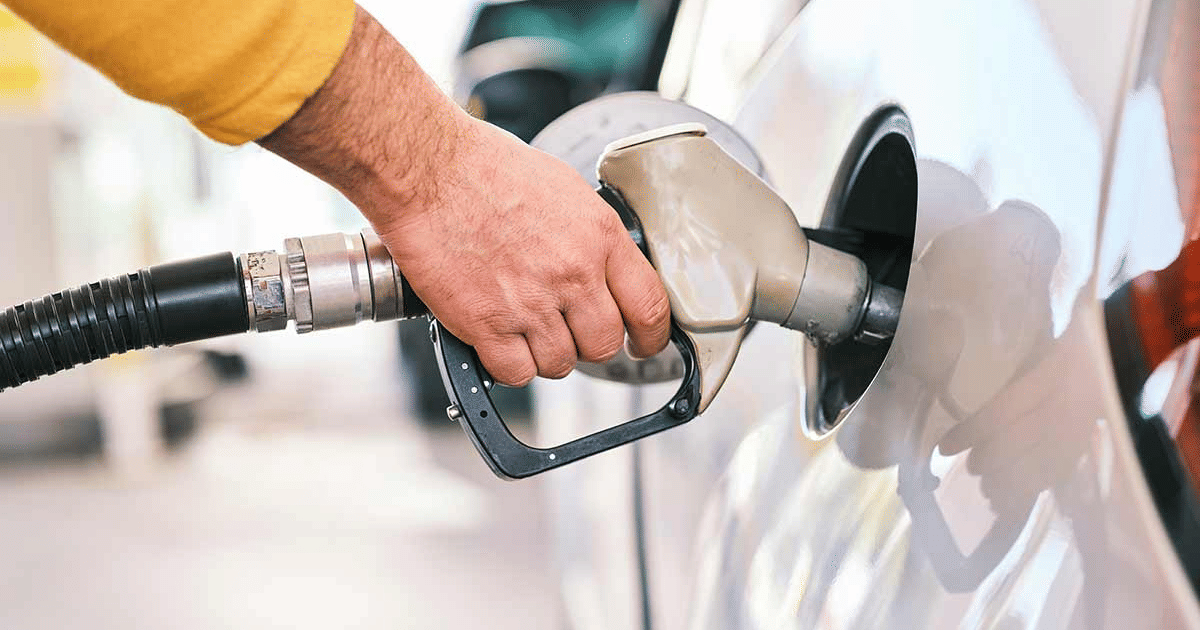
Pakistan is particularly vulnerable to fuel price shocks because it relies heavily on imported energy. Higher costs worsen its already precarious balance-of-payments position. Diesel powers trucks, buses, tractors, generators, and parts of the food supply chain, while petrol affects commuting and consumer transport. The country is also highly dependent on remittances from workers overseas, mostly labourers in Gulf states, and the war could devastate this income stream. The government is caught between two bad options, analysts say: pass on global oil prices to consumers and face public anger, or subsidize fuel and blow a hole in the budget. Pakistan is under strict IMF supervision, which limits its ability to spend its way out of the problem. The government has been widely criticized for botching negotiations in April when it sought IMF approval for higher fuel subsidies and was rebuffed.
Mediation Efforts and a Diplomatic Breakthrough
Sharif told the cabinet that Pakistan has been working to ease tensions between Iran and the United States. He highlighted marathon talks held in Islamabad on April 11 that lasted 21 hours, calling them a significant diplomatic breakthrough. As a result, the ceasefire between Iran and the US was extended and continues to hold. The prime minister said Pakistan made sincere and coordinated efforts for the success of the negotiations, with contributions from Field Marshal Asim Munir, Deputy Prime Minister and Foreign Minister Ishaq Dar, and other senior officials. Iranian Foreign Minister Abbas Araghchi visited Pakistan with his delegation and held multiple rounds of talks, including a two-hour session with Sharif. Araghchi assured that Iran would respond positively after consultations with its leadership.
Austerity Theatre vs. Structural Crisis
Economist Kaiser Bengali, former adviser for planning and development to the Sindh chief minister, dismissed the government's cost-cutting measures as ineffective. “The current government’s penchant for ‘austerity theatre’ – selling off official cars or symbolic goats and horses – is a joke that has been played out for 40 years,” he said. “It does nothing to impact the oil market.” Bengali described Pakistan's predicament as one of absolute dependency. “We are in a state of absolute dependency, where even a $1bn tranche, which is a microscopic amount in global fiscal terms, can make the difference between survival and collapse,” he said. The country's economy, already weakened by years of inflation, debt stress, and sluggish growth, now faces the most serious fuel price shock in more than half a century.
What Comes Next: Stakes and Open Questions
Sharif called for collective efforts to tackle the challenges, but the government's options remain constrained. With the IMF limiting fiscal space, any attempt to cushion the blow for consumers risks a budget crisis. The central bank's rate hike signals that fighting inflation is the priority, even if it slows economic activity. The durability of the US-Iran ceasefire remains uncertain, and further escalation could push oil prices even higher. Pakistan's mediation role may offer some diplomatic leverage, but it does little to address the structural vulnerabilities that make the country so exposed to external shocks. The coming weeks will test whether the government can navigate between public discontent and fiscal discipline without triggering a deeper crisis.
The bottom line
- Pakistan's monthly oil import bill has tripled from $300 million to $800 million due to the US-Iran war.
- The State Bank of Pakistan raised its key rate to 11.5% to counter inflation risks from higher energy costs.
- Prime Minister Sharif said the war has erased two years of economic progress, with cascading effects on food, transport, and remittances.
- Pakistan mediated a 21-hour US-Iran negotiation in Islamabad on April 11, resulting in an extended ceasefire.
- The government faces a dilemma: pass on high fuel prices to consumers or subsidize and risk IMF sanctions.
- Economists warn that symbolic austerity measures do nothing to address the structural oil dependency.




UAE Fuel Prices Rise Sharply in May 2026 as Brent Crude Tops $120
UAE Announces Five-Day Eid Al Adha School Break, Exam Schedule for 2026

United Kingdom — and what comes next