More than 129 million Americans live in counties failing ozone pollution tests, report finds
The American Lung reveals that 152.3 million people are exposed to unhealthy levels of ozone or particle pollution, with people of color disproportionately affected.

AUSTRALIA —
Key facts
- 152.3 million Americans live in areas with unhealthy ozone or particle pollution.
- 129 million people reside in counties that received failing grades for ozone pollution.
- 62 million people live in counties failing for daily particle pollution spikes.
- People of color are more than twice as likely to live in areas failing all major pollution measures.
- 33.5 million children live in counties with failing grades for at least one major air pollutant.
- Wildfire smoke could kill 70,000 Americans a year by 2050.
- Air pollution causes more than 4.5 million premature deaths annually worldwide.
A growing health crisis across the United States
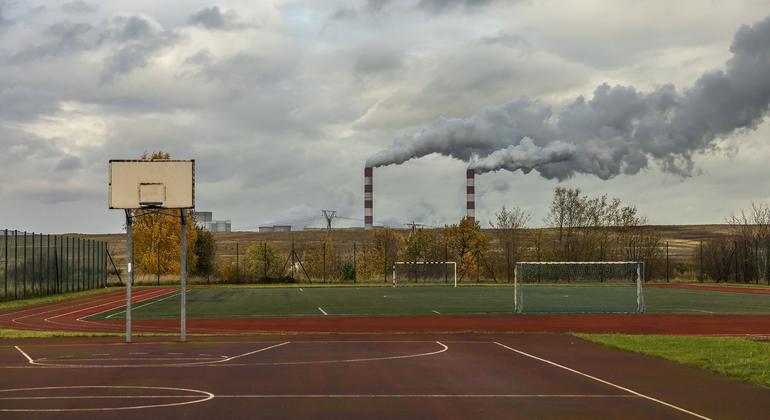
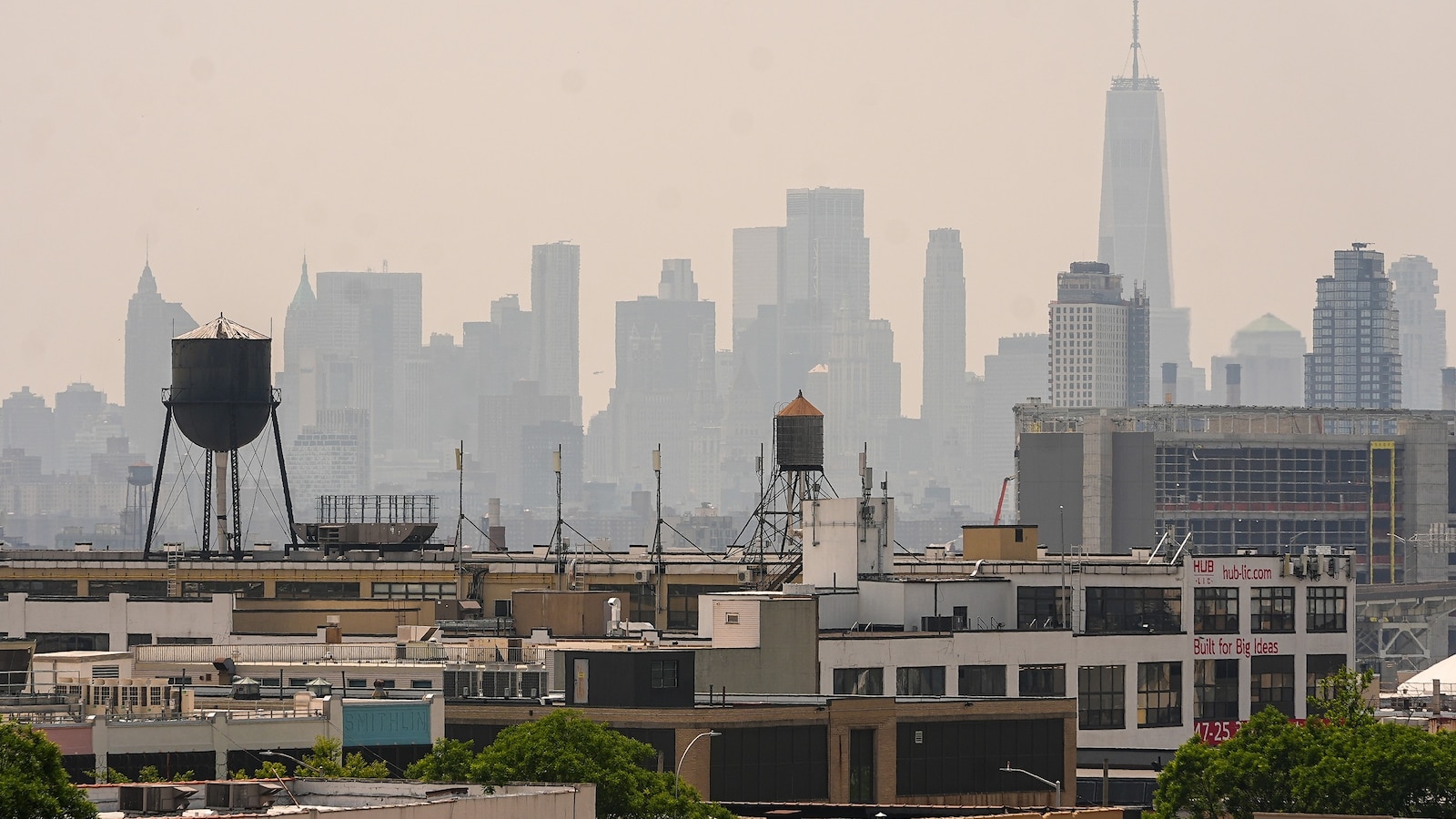
Nearly half of all Americans — 152.3 million people — now breathe air that fails to meet healthy standards for ozone or particle pollution, according to the American Lung Association's 2026 'State of the Air' report. The report, which evaluates air quality across the country by measuring ozone and particle pollution, found that more than 129 million people live in counties with failing grades for ozone pollution alone. Ground-level ozone forms when sunlight reacts with emissions from cars, industry and chemicals, creating the main ingredient of smog.
Unequal burden on communities of color
Exposure to dirty air is not evenly distributed. found that people of color are more than twice as likely as white residents to live in areas that fail all major pollution measures. Dr. Afif El-Hasan, a board-certified pulmonologist and spokesperson for the American Lung Association, noted that areas with high pollution often have fewer socioeconomic resources. 'There's a snowball effect because many of these areas may have less access to healthy food, less safe places to work out outside and less access to health care,' he said.
Children face irreversible lung damage
Children are disproportionately affected by air pollution. states that about 33.5 million children live in counties that received failing grades for at least one major air pollutant. 'Children who grow up in areas with polluted air are going to have decreased lung development compared to children who grow up having been exposed to clean air,' El-Hasan said. 'Ultimately that leads to adults who have lower lung capacity than they would otherwise have — and that's not reversible.' The compromised defenses also make infections like colds, flu and COVID-19 more severe in high-pollution areas.
Global trends: Wildfires and transboundary pollution
The problem extends beyond U.S. borders. The World Meteorological Organization (WMO) released its latest Air Quality and Climate Bulletin, highlighting how microscopic smoke particles from wildfires travel halfway across the world. 'Air quality respects no boundaries,' said Lorenzo Labrador, a scientific officer at the WMO. He noted that smoke from record-breaking wildfires in the Iberian Peninsula has been detected over Western Europe and can travel across the continent. The WMO data confirms a disturbing trend: wildfire seasons are becoming stronger and longer each year as a result of climate change.
Mixed progress: Emissions drop in some regions, ozone persists
Despite the grim picture, there are signs of improvement in certain areas. a reduction in emissions in eastern China and Europe year on year. Paolo Laj, head of the WMO's Global Atmosphere Watch Programme, said, 'When we see that countries or regions or cities are taking measures to fight against bad air quality, it works.' He cited Shanghai as an example, where air quality has improved through more parks and trees, and a shift to electric vehicles. However, Laj stressed that very few cities worldwide have air quality levels below those recommended by the World Health Organization. While pollutants like sulfur dioxide and nitrogen oxide are decreasing, ground-level ozone has not declined, partly due to global warming.
The broader stakes: Health, climate and daily life
Breathing contaminated air does more than make people sick; it affects family dynamics, finances and nearly every aspect of life, the American Lung Association report's authors say. The WMO bulletin underscores the close connection between air quality and climate change, covering wildfires, winter fog, shipping emissions and urban pollution. As the planet warms, the frequency and intensity of wildfires are expected to rise, with one study projecting that wildfire smoke could kill 70,000 Americans a year by 2050. The invisible threat of particle pollution, known as PM2.5, continues to degrade air quality worldwide.
The bottom line
- More than 129 million Americans live in counties with failing ozone grades, and 62 million face failing particle pollution spikes.
- People of color are disproportionately exposed to unhealthy air, with double the likelihood of living in areas failing all pollution measures.
- 33.5 million children are at risk of irreversible lung damage due to polluted air.
- Wildfire smoke, intensified by climate change, now travels across continents, worsening air quality globally.
- While emissions have decreased in some regions like eastern China and Europe, ground-level ozone remains stubbornly high due to global warming.
- Few cities worldwide meet WHO air quality guidelines, making air pollution a persistent public health emergency.


Babar Azam Lifts First T20 Title as Peshawar Zalmi Win PSL 2026 Final

Piastri fumes at F1's new regulations despite second consecutive podium in Miami

Celtics Face Game 7 Without Tatum as Maxey Propels Sixers to Brink of Upset
