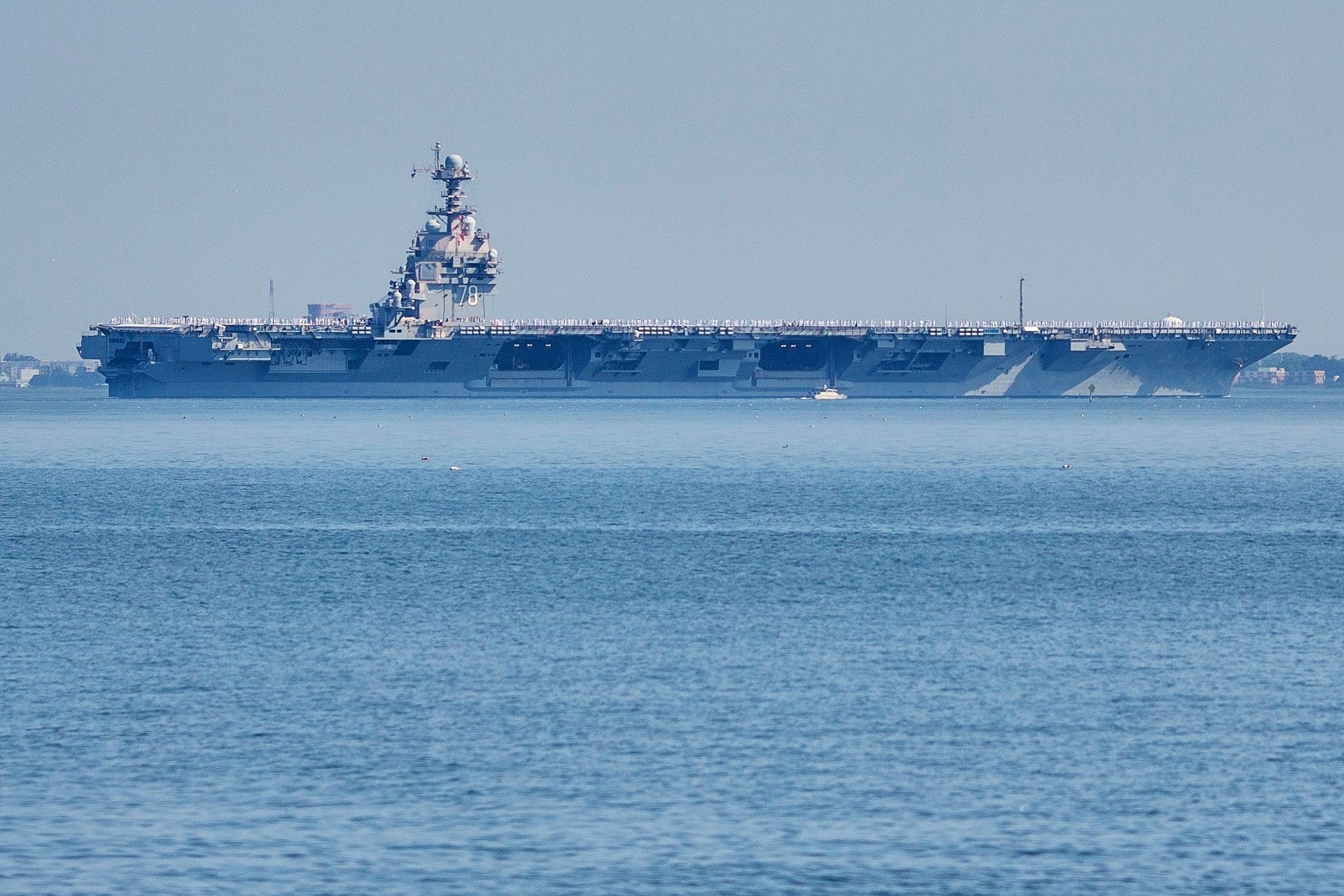
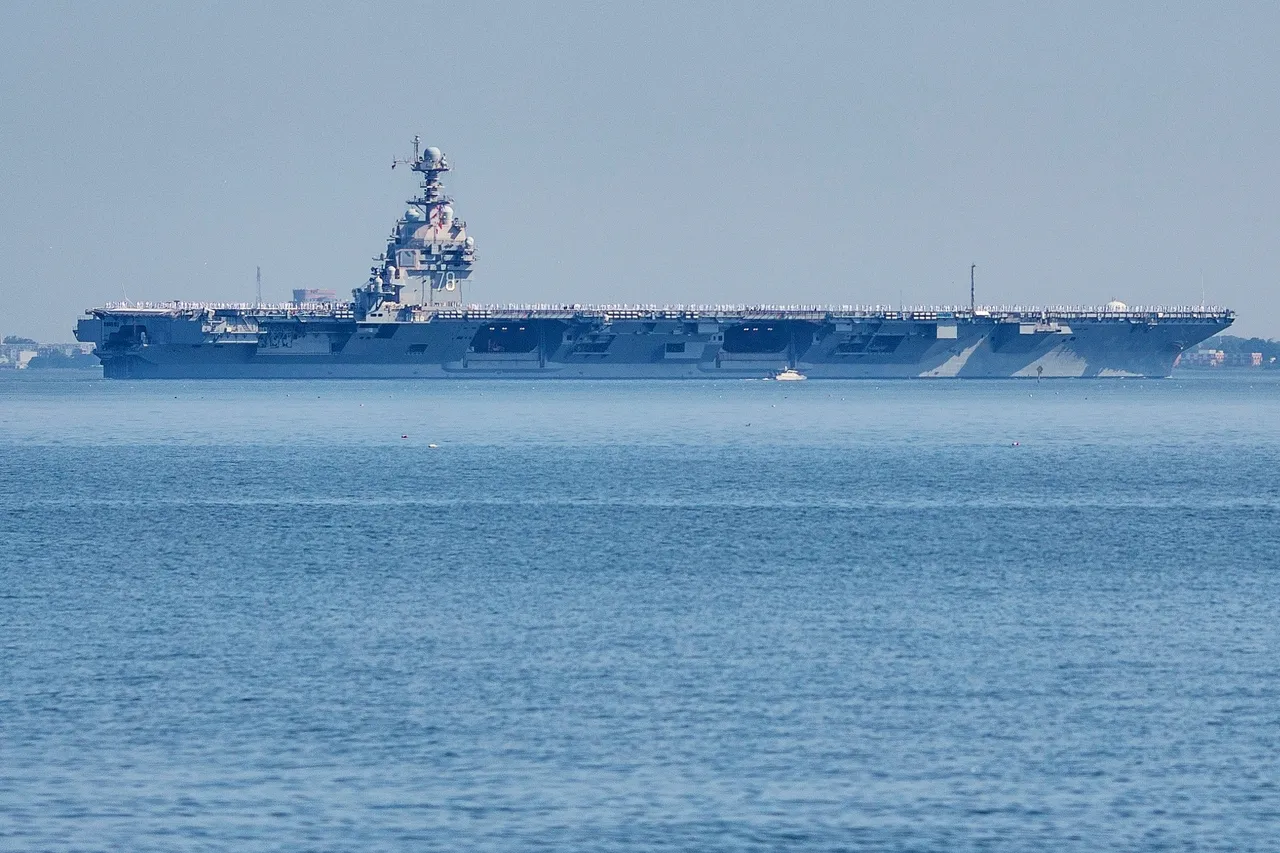
USS Gerald R. Ford heads home after record 309-day deployment, leaving three-carrier force in Middle East
The world’s largest aircraft carrier will return to Virginia in mid-May after a deployment that included the capture of Nicolás Maduro and combat in the Iran war, but its departure reduces U.S. naval firepower as peace talks stall.

AUSTRALIA —
Key facts
- USS Gerald R. Ford deployed for 309 days, the longest for any modern U.S. carrier.
- The carrier participated in the capture of Venezuelan leader Nicolás Maduro and the opening days of the Iran war.
- The Ford will leave the Middle East in coming days and arrive at its home port in Virginia around mid-May.
- Three U.S. carriers—Ford, USS George H.W. Bush, and USS Abraham Lincoln—were simultaneously in the Middle East, a concentration not seen since 2003.
- A fire in the Ford’s laundry space forced it to return to the Mediterranean for repairs, leaving hundreds of sailors without sleeping quarters.
- The carrier requires extensive maintenance due to repeated issues and damage from the laundry room fire.
- Defense Secretary Pete Hegseth acknowledged that the extended deployment involved readiness and maintenance tradeoffs.
- The Ford broke the previous post-Vietnam deployment record of 294 days set by USS Abraham Lincoln in 2020.
A record deployment ends, but at a cost
The USS Gerald R. Ford, the world’s largest aircraft carrier, is set to depart the Middle East in the coming days and return to its home port in Norfolk, Virginia, by mid-May, according to multiple U.S. officials who spoke on condition of anonymity. The carrier’s 309-day deployment—the longest for any modern U.S. aircraft carrier—has left its roughly 4,500 sailors exhausted and the ship in need of extensive repairs. The Ford’s journey home marks the end of a nearly 10-month mission that spanned three theaters: the Mediterranean, the Caribbean, and the Red Sea. But its withdrawal reduces the U.S. naval presence in the region at a critical moment, as peace talks between Washington and Tehran remain deadlocked and three carriers had been operating together for the first time since 2003.
From Maduro’s capture to the Iran war
The Ford’s deployment began in June 2024 when it left Naval Station Norfolk for the Mediterranean. In October, it was rerouted to the Caribbean as part of the largest naval buildup in the region in generations, where it took part in the military operation that captured Venezuelan President Nicolás Maduro. The carrier then headed to the Middle East as tensions with Iran escalated, participating in the opening days of the Iran war from the Mediterranean Sea. In early March, the Ford transited the Suez Canal into the Red Sea. However, a fire in one of its laundry spaces forced the carrier to turn around and return to the Mediterranean for repairs, leaving hundreds of sailors without sleeping quarters. The ship eventually resumed its mission but has suffered repeated equipment issues, requiring extensive maintenance upon its return.
A tough decision to extend
The Ford’s prolonged deployment was the result of what Defense Secretary Pete Hegseth described as a “tough decision-making process.” Testifying before the House Armed Services Committee, Hegseth said he consulted with Navy officials who flagged readiness and maintenance tradeoffs. “Multiple times the operational requirements—whether it was down in Southcom or up to Centcom—demanded additional assets in real time, which through a tough decision-making process led to an extension,” Hegseth said, referring to U.S. Southern Command and U.S. Central Command. Representative Gil Cisneros questioned Hegseth about the trade-offs made in extending the Ford’s deployment. The carrier’s 295th day at sea surpassed the previous post-Vietnam record of 294 days set by the USS Abraham Lincoln in 2020 during the Covid-19 pandemic, according to data from the U.S. Naval Institute News. The longest deployment during the Cold War remains 332 days by the now-decommissioned USS Midway in 1972-1973.
Three carriers, then two
The Ford’s departure will leave two U.S. carriers in the Middle East: the USS George H.W. Bush, which arrived last week, and the USS Abraham Lincoln, which has been in the region since January. The simultaneous presence of three carriers marked a concentration of naval power not seen since the 2003 invasion of Iraq, and came during a tenuous ceasefire in the Iran war. The Ford, currently in the Red Sea, is not participating in the U.S. blockade of Iranian ports, officials said. Its exit reduces the firepower available as the Trump administration presses Tehran to agree to a peace deal, with negotiations showing little progress.
Human and mechanical toll
The extended deployment has raised concerns about the impact on service members and the strain on the ship’s equipment. The Ford’s 4,500 sailors have been away from home for nearly a year, and the carrier itself has endured a fire that forced lengthy repairs. The ship will require extensive maintenance upon returning to Norfolk, officials said. The deployment also highlighted the tradeoffs between operational demands and crew readiness. Hegseth acknowledged that the decision to extend the Ford’s mission involved weighing these factors, but said the operational requirements in both the Southern and Central Commands justified the extension.
What comes next
With the Ford heading home, the U.S. Navy will rely on the Bush and Lincoln to maintain a presence in the Middle East. The Ford’s return is expected around mid-May, after which it will undergo a lengthy repair period. The carrier’s record-setting deployment underscores the strain on the U.S. naval fleet as it juggles global commitments, from counter-narcotics operations in the Caribbean to major combat operations in the Middle East. The longer-term implications for U.S. naval strategy remain unclear. The Ford’s deployment demonstrated the ability to sustain a carrier at sea for nearly a year, but the cost in maintenance and crew morale may prompt a reassessment of deployment lengths.
The bottom line
- The USS Gerald R. Ford set a modern record with a 309-day deployment, surpassing the previous 294-day record.
- The carrier played a key role in the capture of Nicolás Maduro and the opening phase of the Iran war.
- Its departure reduces the U.S. carrier presence in the Middle East from three to two, as peace talks with Iran stall.
- A fire in the Ford’s laundry space caused significant damage, requiring extensive repairs and leaving hundreds of sailors without sleeping quarters.
- Defense Secretary Pete Hegseth acknowledged that the extended deployment involved difficult tradeoffs between operational needs and maintenance readiness.
- The deployment highlighted the strain on the U.S. naval fleet, raising questions about the sustainability of long deployments.

Melbourne Storm coach Craig Bellamy diagnosed with neurodegenerative disorder

Timberwolves lose DiVincenzo for season, Edwards' knee injury casts doubt on playoff run

Marta Kostyuk Captures First WTA 1000 Title in Madrid, Defeating Mirra Andreeva