Aston Villa’s Europa League Run Poses Champions League Qualification Puzzle
The club’s push for a first major European trophy since 1982 could create a complex allocation scenario if they also finish in the Premier League top five.

AUSTRALIA —
Key facts
- Aston Villa last won a major European trophy in 1982, beating Bayern Munich in the European Cup final.
- Villa face Nottingham Forest in the Europa League semifinals; the final is in Istanbul against Braga or Freiburg.
- The Europa League winner earns a Champions League spot for next season.
- Villa are also competing for a top-five Premier League finish, which would qualify them for the Champions League.
- The Premier League cannot gain a sixth Champions League berth if Villa qualify via both routes.
- Nottingham Forest manager Vitor Pereira cited Brian Clough’s legacy as inspiration for the semifinal.
- Pereira said the semifinal is the biggest night for a generation of Forest supporters.
A Historic Opportunity with Contractual Nuances
Aston Villa are chasing their first major European trophy since 1982, when they defeated Bayern Munich in the European Cup final in Rotterdam. Now in the Europa League semifinals, they face fellow Premier League side Nottingham Forest, with a place in the Istanbul final against either Braga or Freiburg on the line. Victory in the competition guarantees the winner a spot in next season’s Champions League, a lucrative prize. But Villa are also in contention for Champions League qualification via a top-five Premier League finish, creating a scenario where the club could earn two separate berths.
How Dual Qualification Would Reshape the Premier League’s European Spots
If Aston Villa win the Europa League, they qualify for the Champions League regardless of their league position. However, the ramifications for the Premier League’s allocation depend on whether they also finish in the top five. Should Villa finish in the Premier League top five and win the Europa League, the league would still have only five Champions League participants. The extra slot from the Europa League victory does not cascade to another English team, as the rule prevents a sixth qualifier from the same association.
Forest’s Manager Draws on Club’s European Legacy
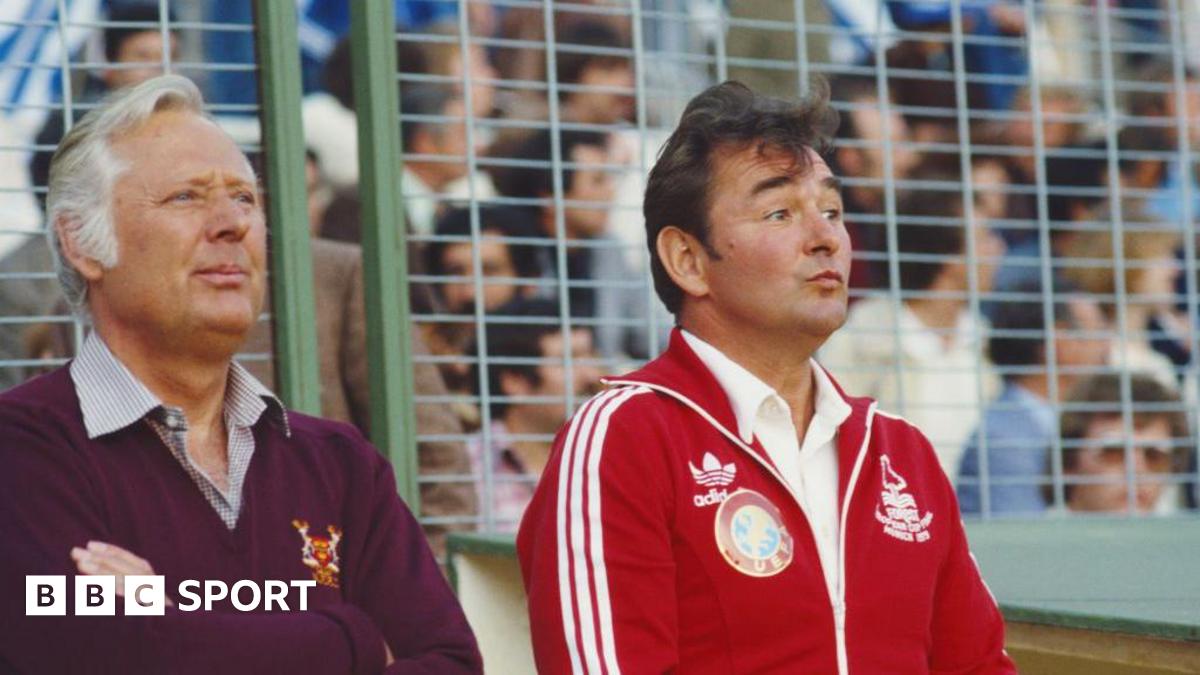
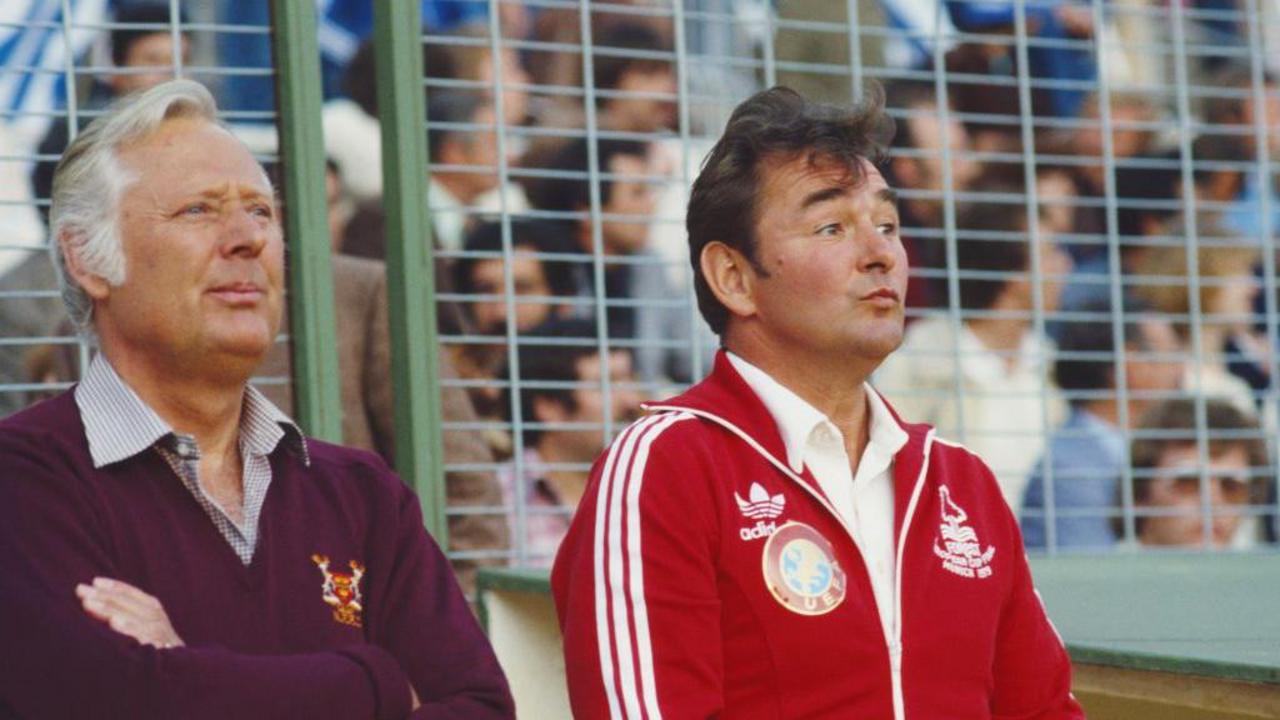
Nottingham Forest manager Vitor Pereira recalled the club’s past glory as he prepared for the semifinal. “When I was a kid, I remember Forest being one of the strongest teams in Europe,” he told BBC Radio Nottingham. Pereira said leading Forest into their fourth European semifinal is a special feeling and a chance to write names into the club’s history. He emphasized the supporters’ sacrifice, noting that many spend beyond their means to attend matches. “This is more to make them happy,” he said. Pereira also drew inspiration from legendary former manager Brian Clough, whose statue in the city he said “makes people feel proud.”
The Generational Stakes for Forest and Villa
Pereira acknowledged that for a whole generation of Forest fans, this semifinal is the biggest night in the club’s history. Forest, who won back-to-back European Cups under Clough in 1979 and 1980, have not reached such heights in decades. For Villa, the match represents a chance to end a 43-year drought without a major European trophy. The club’s last continental triumph came in 1982, and a victory would secure Champions League football regardless of league finish.
The Complicated Path to Istanbul
The Europa League semifinal first leg pits two Premier League rivals against each other, with the return leg to follow. The winner advances to the final in Istanbul, where they will face either Braga or Freiburg. Villa’s dual pursuit of European glory and league position adds strategic complexity. Manager Unai Emery must balance squad rotation between domestic and continental competitions, while Forest, currently outside the top five, focus entirely on the Europa League as their most viable route to Champions League qualification.
What the Outcome Means for the Premier League’s European Landscape
If Villa win the Europa League but finish outside the top five, the Premier League would still have five Champions League spots: four from league position plus Villa as the Europa League winner. If Villa finish sixth or lower, the fifth-place team would lose its Champions League berth to Villa, shifting the qualification threshold. Should Villa finish in the top five and win the Europa League, the Premier League’s allocation remains at five, with no extra spot for the team finishing sixth. This scenario could intensify the battle for fifth place among other clubs.
A Defining Moment for Two Historic Clubs
Both Aston Villa and Nottingham Forest carry rich European histories, and this semifinal offers a chance to revive past glories. For Villa, it is a step toward reclaiming a place among Europe’s elite; for Forest, it is an opportunity to rekindle the spirit of the Clough era. The outcome will not only determine who reaches Istanbul but also reshape the Premier League’s European qualification landscape. As Pereira put it, “We have a chance to write our names into the history of this club.” The stakes could hardly be higher.
The bottom line
- Aston Villa can qualify for the Champions League by winning the Europa League or finishing in the Premier League top five.
- If Villa achieve both, the Premier League will not gain a sixth Champions League spot; the extra berth is lost.
- Nottingham Forest’s Vitor Pereira draws inspiration from Brian Clough’s legacy as the club seeks its first European final since 1980.
- The Europa League semifinal is a generational moment for Forest supporters.
- Villa’s last major European trophy was in 1982; a win would end a 43-year drought.
- The final in Istanbul will feature the winner of Villa vs. Forest against Braga or Freiburg.

PSG edge closer to Ligue 1 title with dominant display against Lorient

Ipswich Secure Premier League Return as Wrexham's Playoff Hopes End on Dramatic Final Day
Ipswich Return to Premier League After One-Year Absence as Hull Snatch Final Play-Off Spot
