Caroline Muirhead: The Doctor Who Led Police to Her Fiancé’s Victim and Was Left to Suffer Alone
A new Netflix docuseries reveals how a pathologist risked her life to expose a hit-and-run killer, only to be met with police indifference and public scorn.

AUSTRALIA —
Key facts
- In September 2017, Alexander 'Sandy' McKellar, driving under the influence, struck and killed cyclist Tony Parsons in Argyll and Bute, Scotland.
- McKellar and his twin brother Robert hid Parsons' body in a peat bog on the Auch Estate.
- Caroline Muirhead met McKellar on Tinder in autumn 2020; they became engaged within weeks.
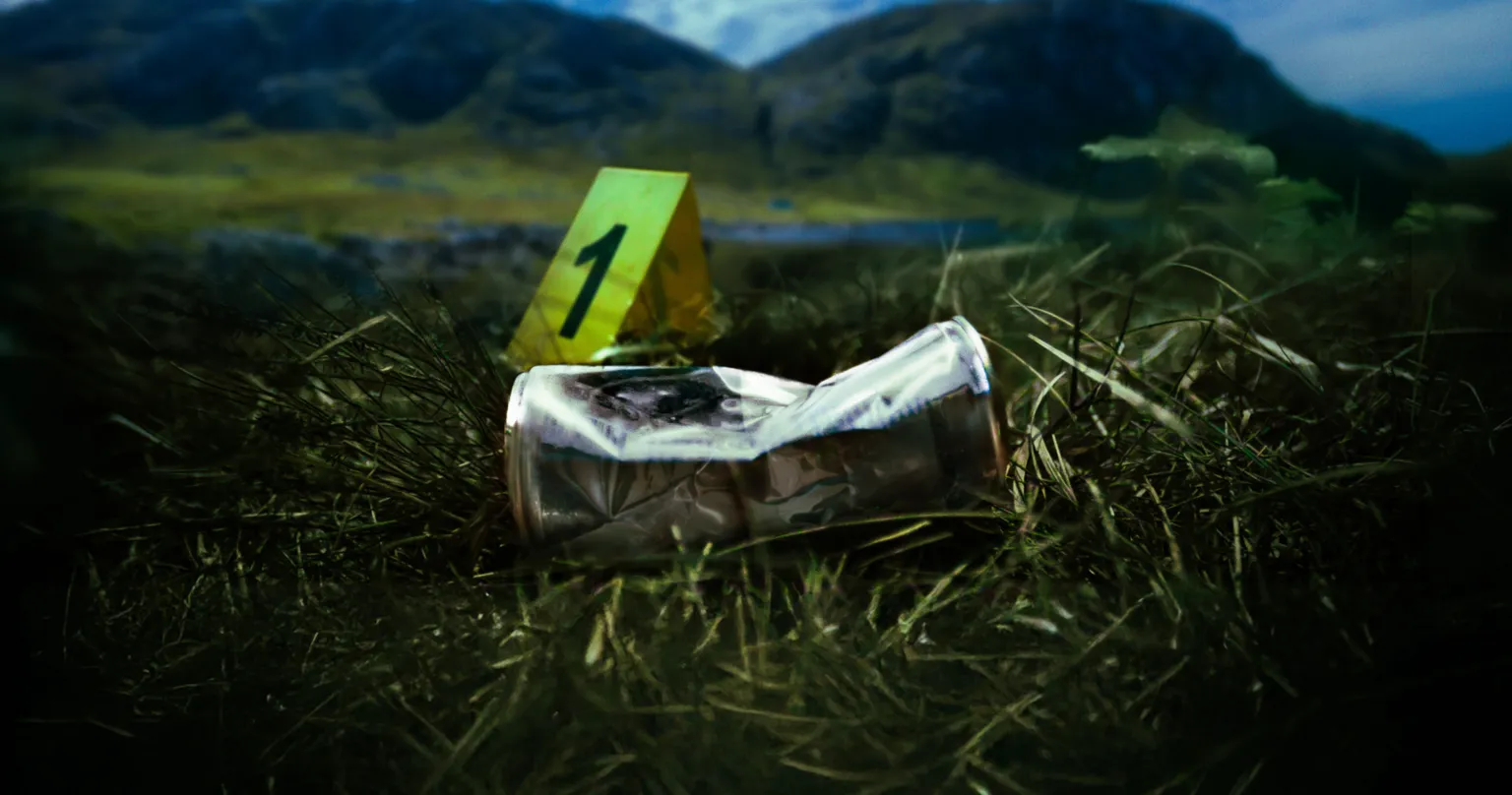
- After the engagement, McKellar confessed to the hit-and-run; Muirhead went to police and helped locate the body using a Red Bull can as a marker.
- Police promised Muirhead anonymity but failed to protect her; she continued the relationship in fear, gathering evidence while suffering from substance abuse and a near breakdown.
- The twins were arrested in December 2020; Parsons' body was recovered in January 2021.
- David Green, head of homicide and major crime in Scotland 2019-23, dismissed Muirhead's need for protection, stating she was 'a highly intelligent, fully qualified doctor' who should have 'run a mile.'
- Defence counsel Brian McConnachie KC argued Muirhead's breakdown under pressure undermined her credibility.
A Whirlwind Romance Turns Deadly
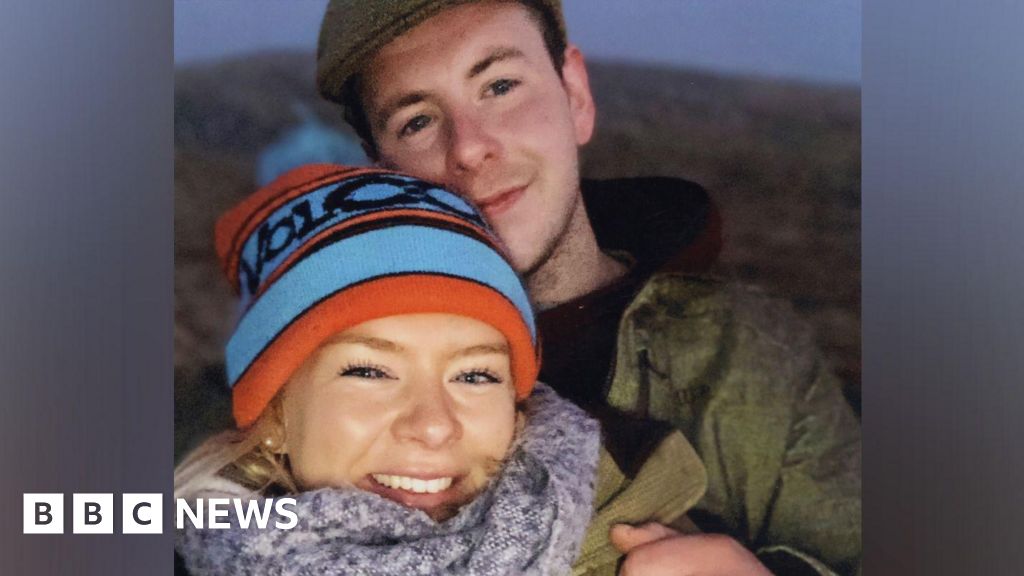
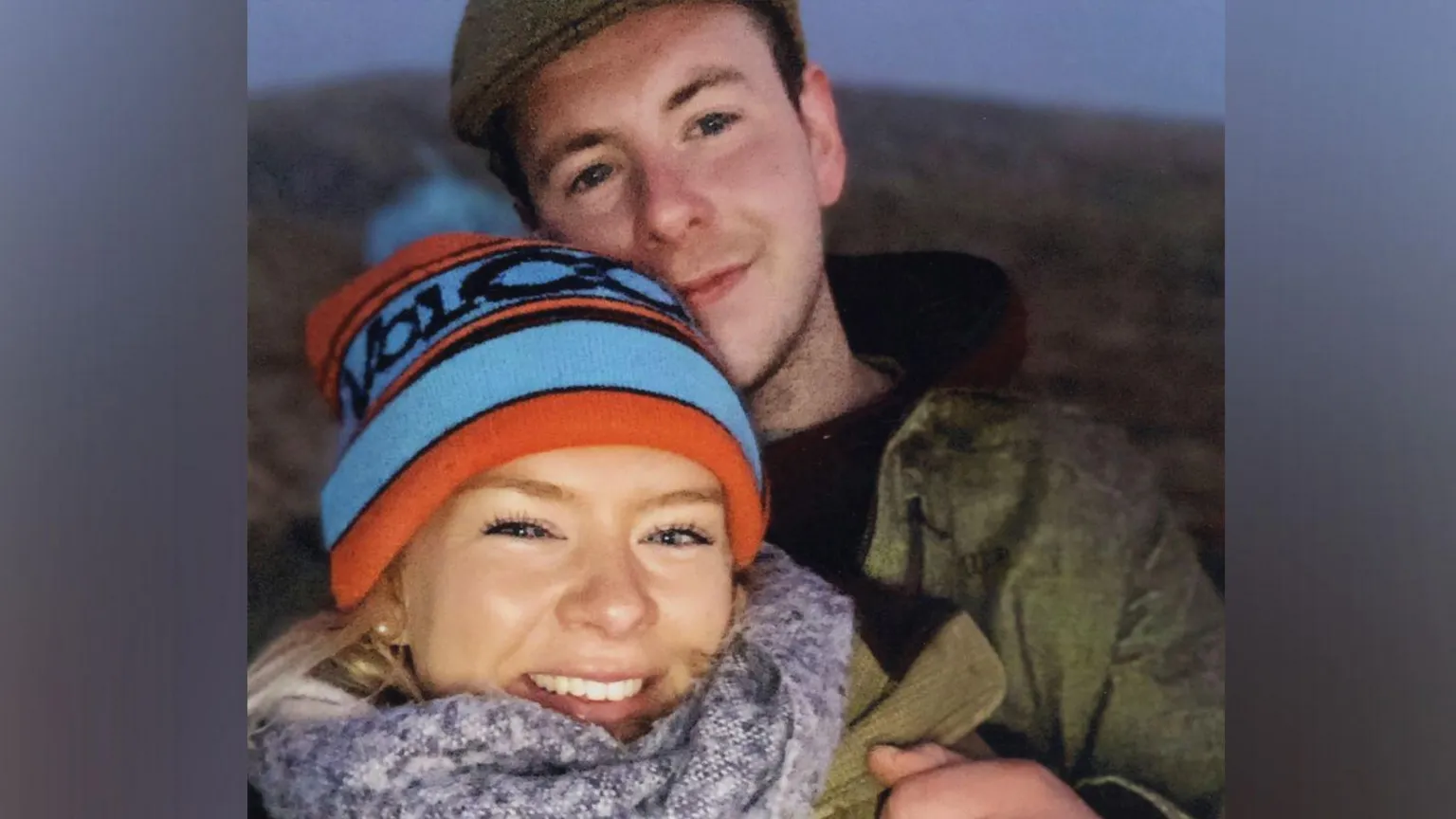
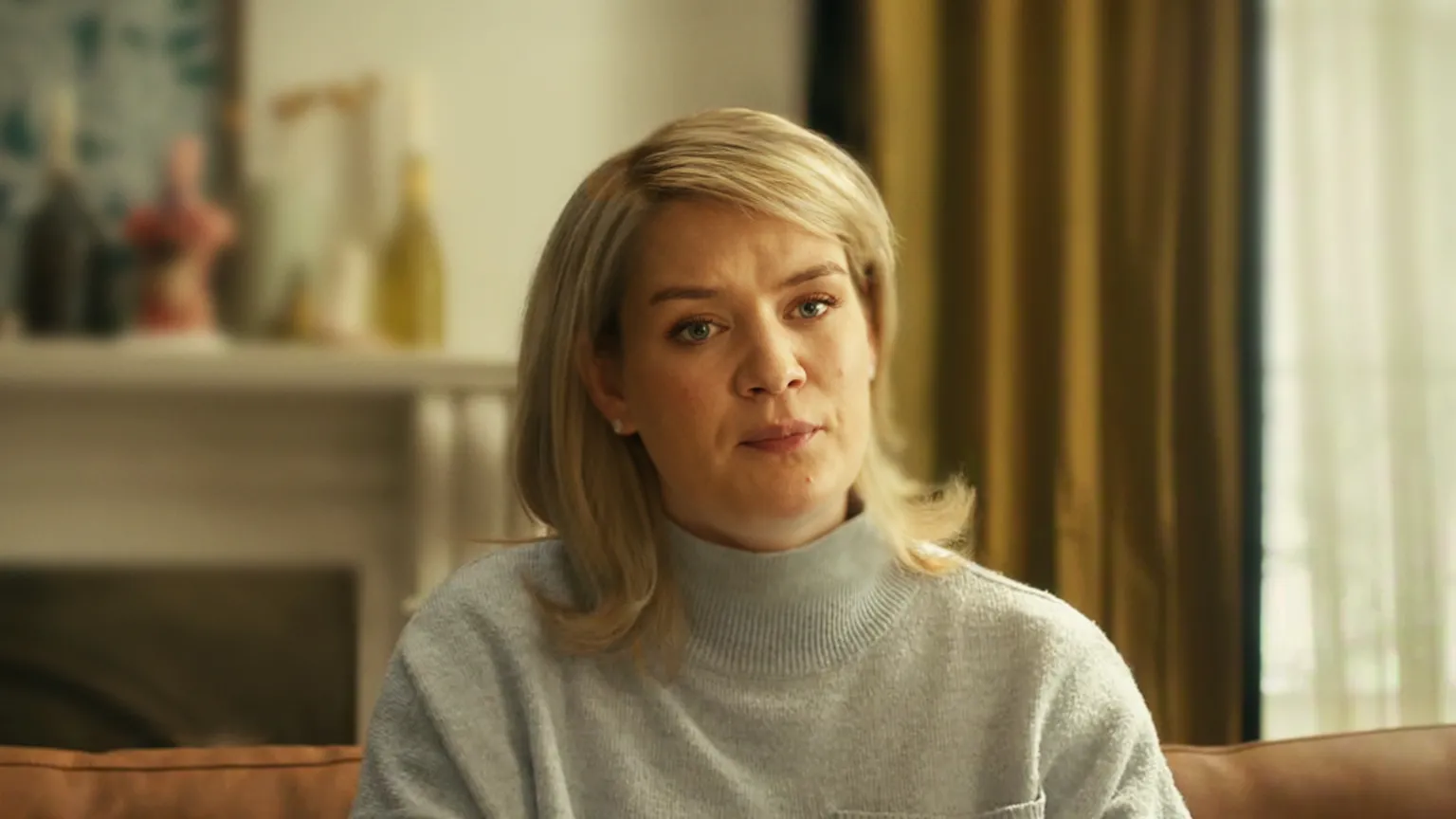
In the autumn of 2020, Dr Caroline Muirhead, a 29-year-old pathologist, matched with a Scottish farmer named Alexander 'Sandy' McKellar on Tinder. Fresh from a difficult breakup, she found in him a sanctuary—open, affectionate, and eager to build a future. Within weeks, he proposed, and despite muted enthusiasm from her parents and friends, she accepted. 'What's the worst that could happen?' she recalls thinking at the time. But at a party, McKellar's twin brother Robert warned her that Sandy was 'not right in the head.' The warning proved prescient. Shortly after the engagement, McKellar confessed to a hit-and-run accident three years earlier that killed a cyclist. He and Robert had buried the body in a peat bog on the Auch Estate, where Sandy worked. Muirhead was thrust into a moral and emotional crisis: loyalty to the man she loved versus the duty to bring a killer to justice.
The Confession and the Cover-Up
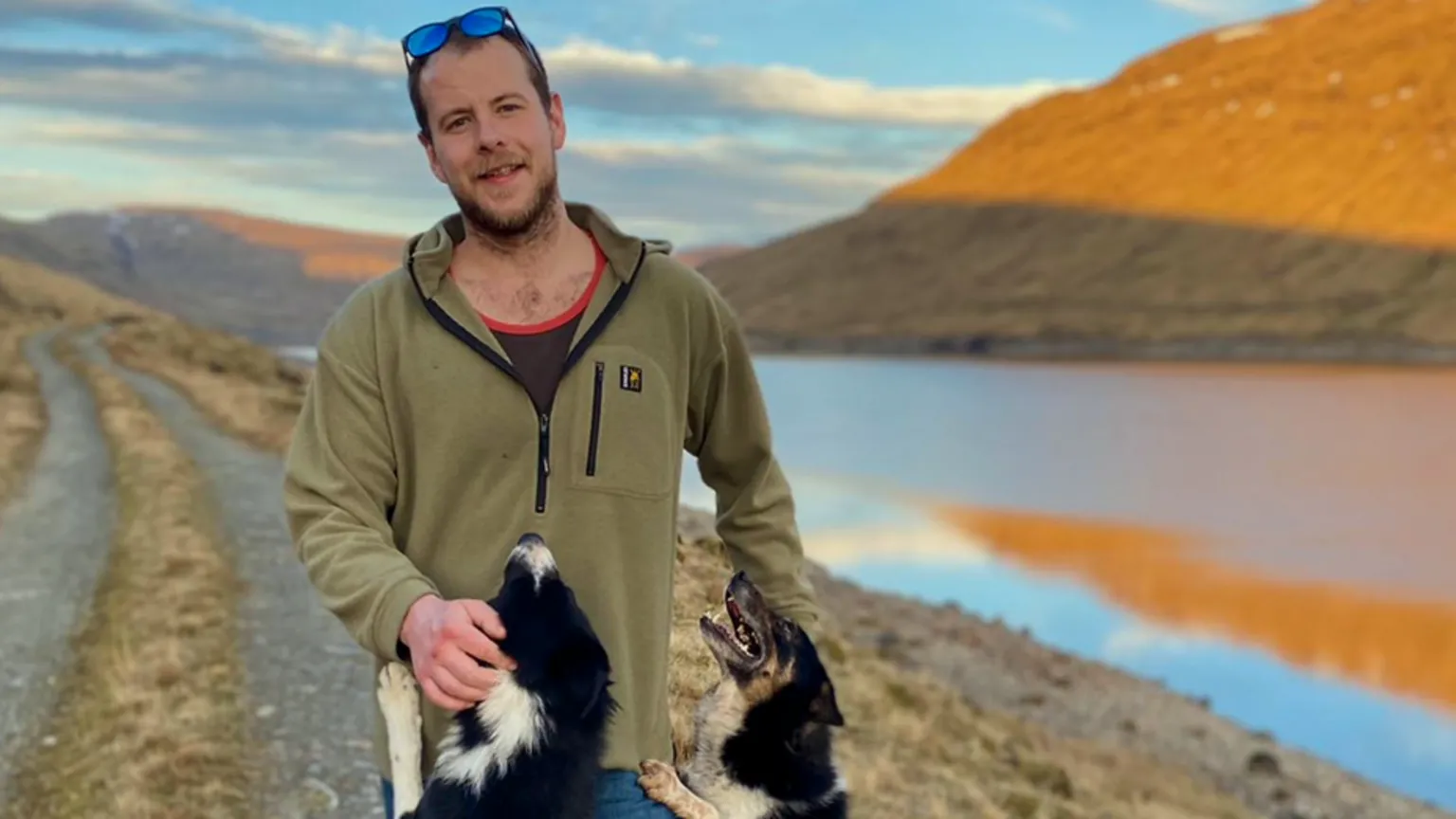
The victim was Tony Parsons, a 63-year-old charity cyclist who had been on a 100-mile solo ride when McKellar struck him while driving under the influence. Parsons did not die instantly; his injuries were so severe that he would have survived only 20 to 30 minutes without help. The twins left him by the roadside, returned with tools and a change of clothes, and by the time they came back, he was dead. They then moved his body to a pit used for animal carcasses on the estate. Muirhead went to the police, who asked her to pinpoint the burial site—otherwise, they said, they would never find it on the vast estate. She complied, marking the spot with a Red Bull can. The police promised to keep her identity secret. They recovered the body in January 2021 and arrested the twins in December 2020. But they also told Muirhead to cut contact with McKellar—a move that would have immediately revealed her as the informant.
A Witness Left to Fend for Herself
Fearing for her life, Muirhead continued the relationship, gathering evidence by recording conversations and feeding information to the police. The strain drove her to drink and drugs, and she suffered a near breakdown. She begged the police for protection, for extra security for herself and her parents. They refused. At one point, during a second arrest, a detective unaware that Muirhead was still living with McKellar shouted, 'What the fuck, Caroline? You’re our witness!'—blowing her cover. David Green, then head of homicide and major crime in Scotland, later defended the decision not to provide protection. 'I would have run a mile,' he said of Muirhead's return to Sandy, adding that the relationship had been brief and that she was 'a highly intelligent, fully qualified doctor.' The implication was that her professional competence should have made her immune to danger—a logic that the documentary's director, Josh Allott, called 'impossible to ignore' in its callousness.
The Legal System’s Dismissive Response
The contempt Muirhead faced extended to the courtroom. Defence counsel Brian McConnachie KC argued that her breakdown under pressure undermined any sympathetic view of her. 'The whole circumstances in which she did not deal with things in a manner in which people would expect her to, take away, I think, from any sympathetic view I might feel about her,' he said. The documentary series, Should I Marry a Murderer?, produced by Clare Beavis and directed by Josh Allott, was born from the belief that the original reporting of the case had omitted Muirhead's testimony and her account of events. Beavis said the case had 'had a big impact in Scotland,' but the missing piece was Muirhead's perspective.
A Story That Challenges True Crime Conventions
The three-part series, now streaming on Netflix, explores the moral dilemma at its heart: 'Do you choose to keep that secret and live with the awful consequences or reveal it and destroy the person you love and everything you’ve hoped for?' Allott said he 'couldn't believe it was real' when he first heard the story, thinking it was the plot of a drama. The series opens with Muirhead reeling from her breakup and follows her journey from romance to terror to a near breakdown. It is, as one reviewer noted, a tale of her bravery and the shocking stupidity and neglect it was rewarded with.
Where Is Caroline Muirhead Now?
The documentary does not provide a detailed update on Muirhead's current circumstances, but it makes clear that the trauma she endured has had lasting effects. The series serves as both a tribute to her courage and a damning indictment of the institutions that failed her. For the viewer, it raises uncomfortable questions about what society owes to those who risk everything to do the right thing—and how often that debt goes unpaid.
The bottom line
- Caroline Muirhead helped convict her fiancé and his brother for the hit-and-run death of Tony Parsons, but received no police protection despite repeated requests.
- Senior officials, including homicide chief David Green, dismissed her need for protection, citing her intelligence and profession as reasons she should have left the relationship.
- The twins buried Parsons' body in a peat bog; Muirhead marked the grave with a Red Bull can, enabling police to recover it after three years.
- Muirhead continued the relationship under duress to avoid suspicion, gathering evidence while her mental health deteriorated.
- The Netflix docuseries Should I Marry a Murderer? highlights the systemic failures that left a key witness vulnerable and unsupported.


Riyan Parag's Rajasthan Royals Stumble to 37/2 After Jaiswal, Sooryavanshi Fall Early Against Delhi Capitals

Kyle Sandilands Teases ‘Bigger Than Ever’ Return as Legal Battle with ARN Intensifies
G8 Education to Close 40 Childcare Centres Across Australia After Abuse Scandal