Nine Network to cut 20 news jobs as part of 'Future News' overhaul
Australia's largest television newsroom embarks on a radical restructure, with more redundancies expected as it adapts to the digital age.

AUSTRALIA —
Key facts
- Up to 20 jobs in TV news and current affairs are set to go at Channel 9.
- The news division employs about 800 people nationwide.
- Sydney and Canberra newsrooms, foreign bureaus and the Today show will be hit first.
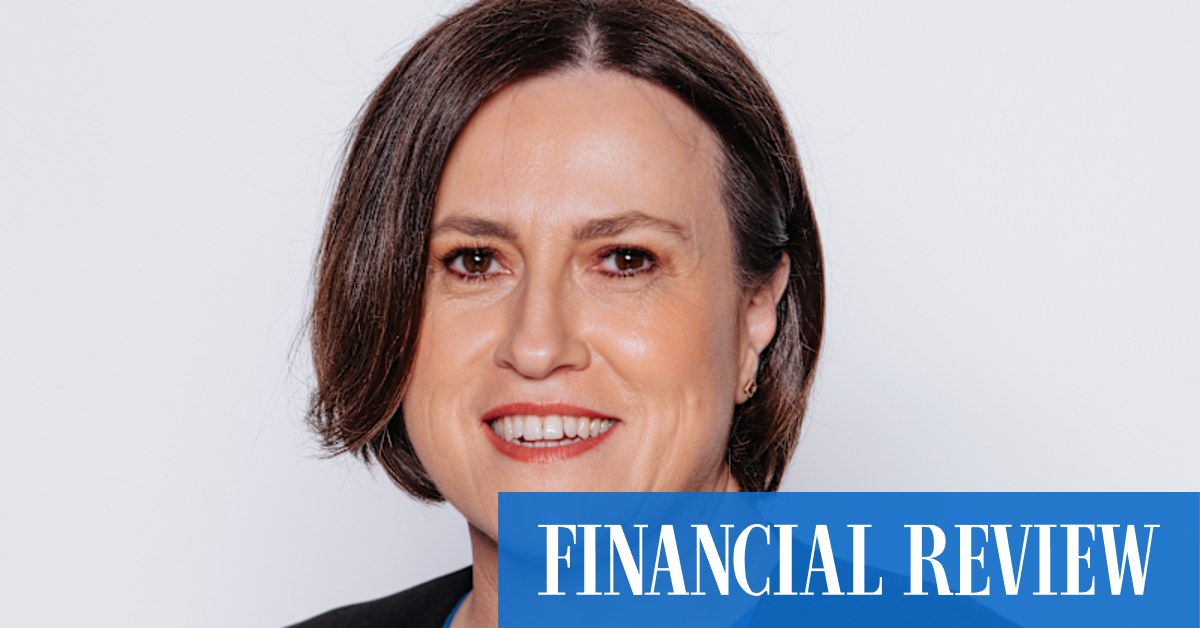
- Nine executive director of news and current affairs Fiona Dear sent a memo to staff on Thursday warning of more cuts.
- The restructure is part of Nine's 'Future News' project, described as the largest investment in decades.
- Senior executives have been working on the plan for more than a year.
- The plan was revealed to staff at a town hall meeting on Thursday.
Redundancies announced as Nine overhauls news production
Up to 20 jobs in television news and current affairs are to be eliminated at the Nine Network, the first wave of redundancies in a sweeping restructure of Australia’s largest broadcast newsroom. Staff were warned on Thursday that more cuts are coming as the network seeks to streamline operations and embrace new technology. The redundancies will initially hit the Sydney and Canberra newsrooms, foreign bureaus and the Today show, according to an internal email obtained by local media. The news division employs about 800 people nationwide.
Fiona Dear outlines 'Future News' vision in staff memo
Fiona Dear, Nine’s executive director of news and current affairs, sent a memo to staff on Thursday outlining the changes. She said the network had been investing in its Future News project, which includes new technology, training and equipment, and that all roles across the division would become more streamlined and multiskilled. “This represents the largest investment in Nine news and current affairs in decades, with new technology, systems and workflows revolutionising the way we produce and deliver news,” Ms Dear wrote. She added that the changes would touch all roles in some way.
Network insists cost-cutting is not the primary driver
Ms Dear stressed that the restructure is not about saving money. “This isn’t about doing the same work with fewer people to save money; it’s about acknowledging that the work itself is changing across our industry and we must adapt to survive and thrive,” she said in the memo. The emphasis on adaptation comes as traditional television earnings have suffered steep declines, with audiences migrating to streaming platforms such as Netflix, YouTube and TikTok. Nine’s plan has been in development for more than a year, senior executives revealed at a town hall meeting on Thursday.
Broader context: industry-wide pressures on broadcast news
The Nine Network is not alone in facing disruption. The ABC, Australia’s public broadcaster, is currently grappling with a pay dispute that has led to a 24-hour strike by hundreds of staff, disrupting regular programming. Meanwhile, the ABC has also been criticised over a licensing deal for the children’s show Bluey, which some claim generates zero dollars for Australia despite the brand being worth up to $2.5 billion a year. These events underscore the financial and operational challenges confronting traditional media organisations as they compete for audiences and revenue in a rapidly changing landscape.
What comes next: more redundancies and a transformed newsroom
The initial 20 job cuts are expected to be followed by further redundancies, though Nine has not specified a timeline or total number. The network aims to create a more agile, multiskilled workforce capable of producing content across multiple platforms. Staff have been told that the Future News project represents the largest investment in Nine’s news and current affairs in decades, but the transition will be painful for those affected. The coming months will reveal how deeply the restructure reshapes Australia’s biggest television newsroom.
Analytical perspective: survival in the age of digital disruption
Nine’s overhaul reflects a broader truth: broadcast news must reinvent itself or face irrelevance. The network’s decision to invest heavily in technology while cutting jobs is a gamble that the future lies in efficiency and digital-first production, not in maintaining legacy operations. Whether the strategy will succeed depends on execution and on whether audiences follow Nine’s content to new platforms. For now, the network is betting that a leaner, more versatile newsroom can thrive where the old model no longer can.
The bottom line
- Nine Network is cutting 20 jobs initially, with more redundancies expected as part of its 'Future News' restructure.
- The restructure aims to streamline news production and embrace new technology, not merely cut costs.
- Sydney and Canberra newsrooms, foreign bureaus and the Today show are the first areas affected.
- Fiona Dear, Nine's director of news and current affairs, communicated the changes to staff via memo and town hall.
- The plan has been in development for over a year, reflecting long-term strategic thinking.
- The cuts are part of a wider trend of disruption in Australian broadcast news, including strikes at the ABC.



Bulldogs’ Bontempelli injury scare after 12-point loss to Fremantle

Hayden Young's three goals and Shai Bolton's dagger seal Fremantle's 12-point comeback win over Western Bulldogs
