Eschborn-Frankfurt 2026 Unveils Its Toughest Route Yet: 211 km, 3,300 Vertical Meters, and Nine Climbs
The German one-day classic, a final springboard before the Giro d'Italia, introduces a grueling parcours designed to shatter the sprinters' hopes.

AUSTRALIA —
Key facts
- The 2026 edition spans 211 kilometers with 3,300 vertical meters of climbing.
- Nine climbs are spread across the course, with Mammolshain (2.3 km at 7.9%) climbed three times.
- The Feldberg ascent (7.7 km at 6%) is expected to drop the fast men and prevent a bunch sprint.
- Soudal Quick-Step fields seven riders: Ayco Bastiaens, Alberto Dainese, Pascal Eenkhoorn, Yves Lampaert, Andrea Raccagni, Pepijn Reinderink, and Mauri Vansevenant.
- Mauri Vansevenant finished seventh at Amstel Gold Race two weeks prior.
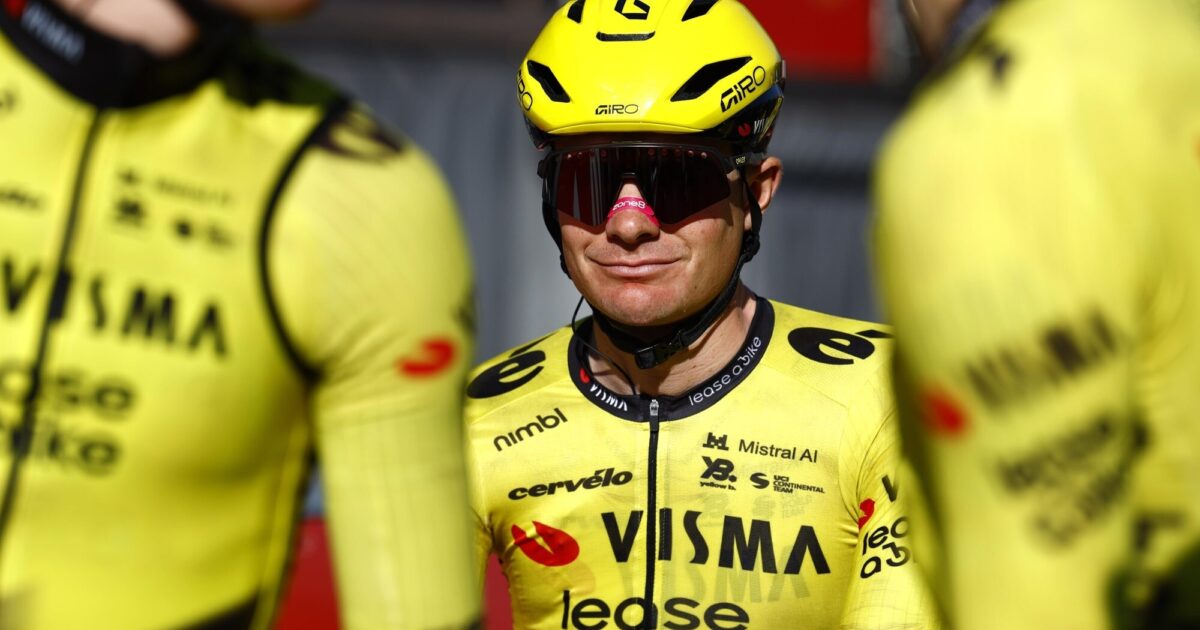
- Team Visma | Lease a Bike lines up with a strong selection on the hilly course.
- The race takes place on Friday, one week before the Giro d'Italia begins.
A Route Designed to Break the Sprinters
Eschborn-Frankfurt, arguably Germany’s most popular race and the Classics specialists’ final opportunity for glory before the first Grand Tour of the season, has unveiled a route widely regarded as the hardest in its history. The 2026 edition spans 211 kilometers and includes 3,300 vertical meters of climbing, a profile that organizers hope will prevent a repeat of the bunch sprints that decided the past two editions. After leaving Eschborn and the flat opening 30 kilometers, the peloton will head into the Taunus hills before making its way to Frankfurt, where the winner will be crowned. Nine climbs are spread across the course, with the most emblematic ascent, Mammolshain, averaging 7.9% over just 2.3 kilometers and set to be climbed three times. The final ascent of Mammolshain comes with only 35 kilometers remaining, but the climb expected to do the most damage is the Feldberg, a 7.7-kilometer grind at 6% gradient.
The Feldberg: Where the Race Will Be Won or Lost
The Feldberg ascent is the key battleground where the fast men can be dropped by those hoping to avoid a bunch sprint. With its sustained gradient and length, it offers a launching pad for attacks that could splinter the peloton and set up a selective finish. Soudal Quick-Step sports director Wilfried Peeters acknowledged the tactical challenge: “A small group of climbers can break away on the hilly section, but having a reduced bunch sprint is also a possibility, and we take there a team that gives us options regardless of the scenario. We are ready to do our best, and hopefully, we’ll get a good result as we bring our spring classics campaign to a conclusion.”
Soudal Quick-Step’s Seven-Man Squad
Soudal Quick-Step has named a seven-rider lineup for the race: Ayco Bastiaens, Alberto Dainese, Pascal Eenkhoorn, Yves Lampaert, Andrea Raccagni, Pepijn Reinderink, and Mauri Vansevenant. Vansevenant arrives in strong form, having finished a solid seventh at Amstel Gold Race two weeks ago. Raccagni, the first Italian to win the Tour Down Under white jersey, adds further depth to a squad built for versatility. The team’s composition reflects a dual strategy: capable of contesting a reduced sprint or backing a breakaway move on the climbs.
Team Visma | Lease a Bike Also in the Mix
Team Visma | Lease a Bike lines up with a strong selection on the hilly course, though the team has not disclosed its full roster. The Dutch squad, a powerhouse in stage races and Classics, will look to exploit the demanding terrain to its advantage. With the Giro d’Italia starting a week later, Eschborn-Frankfurt serves as a final tune-up for riders targeting the Grand Tour. The race’s timing and difficulty make it a critical test of form and tactics.
A Race That Marks the End of Spring Classics Season
Eschborn-Frankfurt is the 21st World Tour race of the season and effectively closes the spring Classics campaign. For specialists who have spent months on the cobbles and bergs of Belgium and the Netherlands, this German one-day race offers a last chance at victory before the focus shifts to Grand Tour ambitions. The 2026 edition’s unprecedented elevation gain and repeated climbs ensure that only the most resilient riders will contend for the win. The course design explicitly aims to reward aggressive racing and punish those who rely on a pure sprint finish.
What to Expect on Friday
All eyes will be on the Feldberg and Mammolshain ascents, where the race is likely to be decided. The final 35 kilometers after the last Mammolshain climb will test the survivors’ legs and tactical nous. Live coverage will be available via the race’s official live blog, as teams finalize their plans. The outcome will set the tone for the Giro d’Italia, with several riders expected to carry momentum from Frankfurt into the Italian Grand Tour.
The bottom line
- The 2026 Eschborn-Frankfurt route is the hardest in history, with 211 km and 3,300 vertical meters.
- Nine climbs, including triple ascents of Mammolshain and the decisive Feldberg, aim to prevent a bunch sprint.
- Soudal Quick-Step fields a balanced seven-rider squad led by Mauri Vansevenant, fresh off a top-10 at Amstel Gold Race.
- Team Visma | Lease a Bike also enters a strong but undisclosed lineup, adding depth to the competition.
- The race serves as the final spring Classics event and a key preparation for the Giro d’Italia starting a week later.
- Tactical flexibility will be crucial, as both breakaway and reduced-sprint scenarios remain possible.



Delhi Capitals End Three-Match Losing Streak with Record Chase Against Rajasthan Royals

Yahya Abdul-Mateen II's Glum Vigilante Fails to Ignite Netflix's 'Man on Fire'
