Eta Aquarid Meteor Shower Peaks Tonight, but Moon Threatens to Dampen the Show
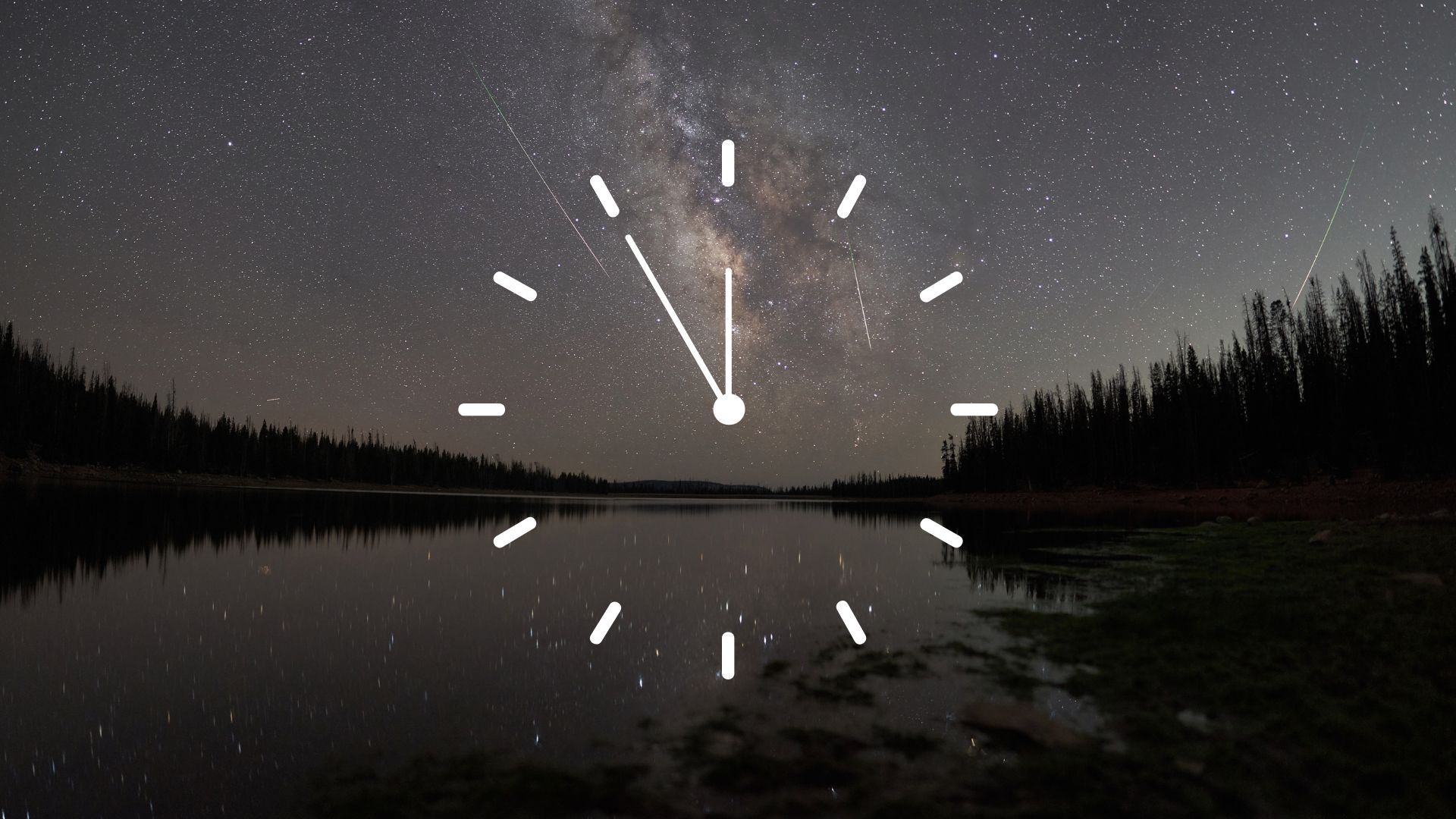
The annual celestial display, born from Halley's Comet, reaches its peak overnight on May 5-6, with prime viewing in the predawn hours—though a bright waning gibbous moon may wash out all but the brightest streaks.
AUSTRALIA —
Key facts
- The Eta Aquarid meteor shower peaks overnight on May 5-6, 2026.
- The shower is active from April 19 to May 28, 2026.
- Halley's Comet (1P/Halley) sheds the debris that creates the Eta Aquarids.
- Southern Hemisphere observers may see up to 50-60 meteors per hour under ideal conditions.
- Northern Hemisphere viewers may see 10-30 meteors per hour, but moonlight could reduce that to under 10.
- The waning gibbous moon will be 84% lit, rising shortly after midnight on May 5-6.
- Meteors travel at about 40 miles per second (64 km/s), leaving persistent glowing trains.
- The radiant lies in the constellation Aquarius, near the star Eta Aquarii.
A Celestial Peak Under Threat from Moonlight
The Eta Aquarid meteor shower, an annual display of debris shed by Halley's Comet, reaches its peak overnight on May 5-6, offering sky-gazers a chance to witness fast-moving shooting stars—but a bright waning gibbous moon threatens to obscure all but the brightest meteors. For those in the Southern Hemisphere, where the shower is considered the best of the year, up to 50 to 60 meteors per hour could streak across the sky under perfectly dark conditions. Northern Hemisphere viewers face a more modest showing, with 10 to 30 meteors possible, though moonlight may slash that number to fewer than 10 per hour. The moon, 84% illuminated, rises above the southeastern horizon shortly after midnight on the peak night, flooding the sky with light that will outshine fainter meteors. Robert Lunsford, fireball report coordinator with the American Meteor Society, said, “Now that we have a really bright moon, we’re going to be lucky if we see just a couple an hour.”
When and Where to Watch
The best time to view the Eta Aquarids is during the predawn hours of May 6, roughly between 3 a.m. and dawn local time, when the shower's radiant—the point in the constellation Aquarius from which the meteors appear to originate—is highest in the sky. For viewers in the Northern Hemisphere, the radiant rises about three hours after midnight, low in the eastern sky to the left of the moon. Lunsford emphasized that the only opportunity to see these meteors is in the last few hours before dawn, because Aquarius is not visible until around 3 a.m. for much of the globe. The radiant climbs higher in the Southern Hemisphere, making that region the prime location for viewing. To maximize chances, observers should find a dark location away from city lights and streetlights, and position themselves with their back to the moon—using a tree or building to block its glare. Lying on a blanket or lawn chair and looking up at a wide expanse of sky allows the eyes to adjust after about 45 minutes, making faint meteors easier to spot.
The Science Behind the Shower
The Eta Aquarids are caused by Earth passing through a stream of debris left by Halley's Comet, which orbits the Sun every 76 years. As the comet approaches the Sun, ice beneath its surface sublimates, erupting as vapor and ejecting dust that spreads along its orbit. When Earth crosses this debris trail, particles enter the atmosphere at high speed, burning up and creating visible streaks. These meteors are notably fast, traveling at about 40 miles per second (64 kilometers per second).sistent glowing trains that linger after the initial flash, adding to the spectacle. The shower's name derives from its radiant point near the star Eta Aquarii in the constellation Aquarius. Knowing the exact radiant is not necessary for viewing, but the higher it appears in the sky, the more meteors one is likely to see.
Moonlight and Other Viewing Challenges
The waning gibbous moon poses the biggest obstacle this year. It rises in the evening and remains in the sky during the peak viewing hours, but because Earth spins west to east, the moon and Aquarius will be on opposite sides of the sky by predawn: the moon heading toward the western horizon while Aquarius rises in the east. Turning one's back to the moon can reduce glare. Even under ideal dark skies, Lunsford noted that the Eta Aquariids have not performed strongly in recent years, barely producing five meteors per hour. With the moon's interference, the actual visible rate could be even lower. For those in the Northern Hemisphere, the southern half of the United States offers the best chance, as the radiant appears higher there. Elsewhere, patience and a dark location are essential.
A Shower That Continues Beyond the Peak
The Eta Aquarid meteor shower remains active from April 19 to May 28, 2026, meaning that even those who miss the peak on May 5-6 will have opportunities to spot meteors in the following weeks. As May progresses, the moon wanes and becomes less of a problem, improving visibility for later displays. While the shower's intensity declines after the peak, it continues at a reduced rate until late May. Enthusiasts are encouraged to keep watching the skies on clear nights, especially during the predawn hours. Photographers hoping to capture the event can use a smartphone astronomy app like Stellarium or SkySafari 7 Pro to locate the radiant, and aim a camera at a patch of sky about 40 degrees away—roughly the width of four clenched fists held at arm's length—where the meteors' glowing trains are most impressive.
A Global Spectacle with Unequal Views
The Eta Aquarids are often described as the best meteor shower for the Southern Hemisphere, where the radiant rises high and the moon's interference is less pronounced. In Australia, the shower is a major entertainment story, with local media urging residents to look up on the peak night. For the Northern Hemisphere, the shower is a more modest affair, but still offers a chance to see bright fireballs. The disparity in visibility underscores the role of latitude in astronomical events, with the Southern Hemisphere enjoying a front-row seat to this particular cosmic display. As Earth continues its annual journey through Halley's debris, the Eta Aquarids serve as a reminder of the dynamic solar system we inhabit—and the enduring legacy of a comet that returns only once every 76 years.
The bottom line
- The Eta Aquarid meteor shower peaks on the night of May 5-6, 2026, with best viewing in the predawn hours of May 6.
- Southern Hemisphere observers may see up to 50-60 meteors per hour; Northern Hemisphere viewers may see 10-30, but moonlight could reduce that to under 10.
- A waning gibbous moon (84% lit) will wash out fainter meteors; turning one's back to the moon or using a tree to block it can help.
- The shower is caused by debris from Halley's Comet, which orbits the Sun every 76 years.
- The shower remains active until May 28, offering additional viewing opportunities after the peak.
- To spot meteors, find a dark location away from city lights, allow 45 minutes for eyes to adjust, and look toward the constellation Aquarius.






Lungi Ngidi Returns as Delhi Capitals Bat First Against Chennai Super Kings in High-Stakes IPL Clash
Babar Azam Lifts First T20 Title as Peshawar Zalmi Win PSL 2026 Final

Piastri fumes at F1's new regulations despite second consecutive podium in Miami
