May’s Flower Moon Ushers in a Rare Blue Moon and Halley’s Comet Meteor Shower
Two full moons, including a seasonal blue moon, and the Eta Aquarids peak offer a packed celestial calendar for stargazers.
AUSTRALIA —
Key facts
- May 1: Flower Moon reaches peak illumination at midday.
- Eta Aquarid meteor shower peaks May 5-6, originating from Halley’s Comet.
- Meteors enter atmosphere at about 40 miles per second, producing up to 50 per hour under ideal skies.
- May 12-13: Mars, Saturn, and crescent moon align in eastern sky before sunrise.
- May 16: New moon provides dark skies for optimal Milky Way core viewing.
- May 18: Moon and Venus conjunction visible after sunset in the west.
- May’s second full moon, a seasonal blue moon, occurs at month’s end.
A Month of Celestial Spectacles
May’s night sky offers a rare double feature: two full moons and the peak of the Eta Aquarid meteor shower, debris from Halley’s Comet. The month begins with the Flower Moon on May 1, named for the spring abundance of blossoms, and ends with a seasonal blue moon, the second full moon in a single month. Stargazers in both hemispheres will have ample opportunity to witness planetary conjunctions, a meteor shower, and the Milky Way core. The Eta Aquarids, active from April 19 to May 28, peak overnight on May 5-6, though a waning gibbous moon may wash out fainter streaks.
The Flower Moon and Its Illusion
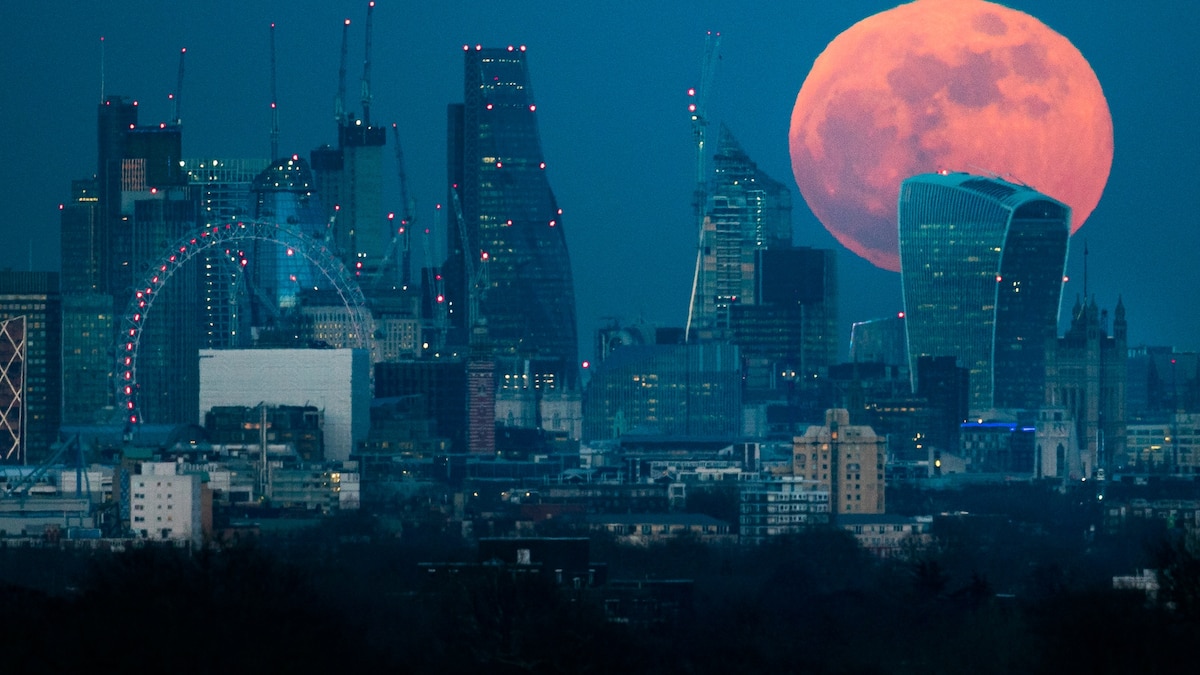
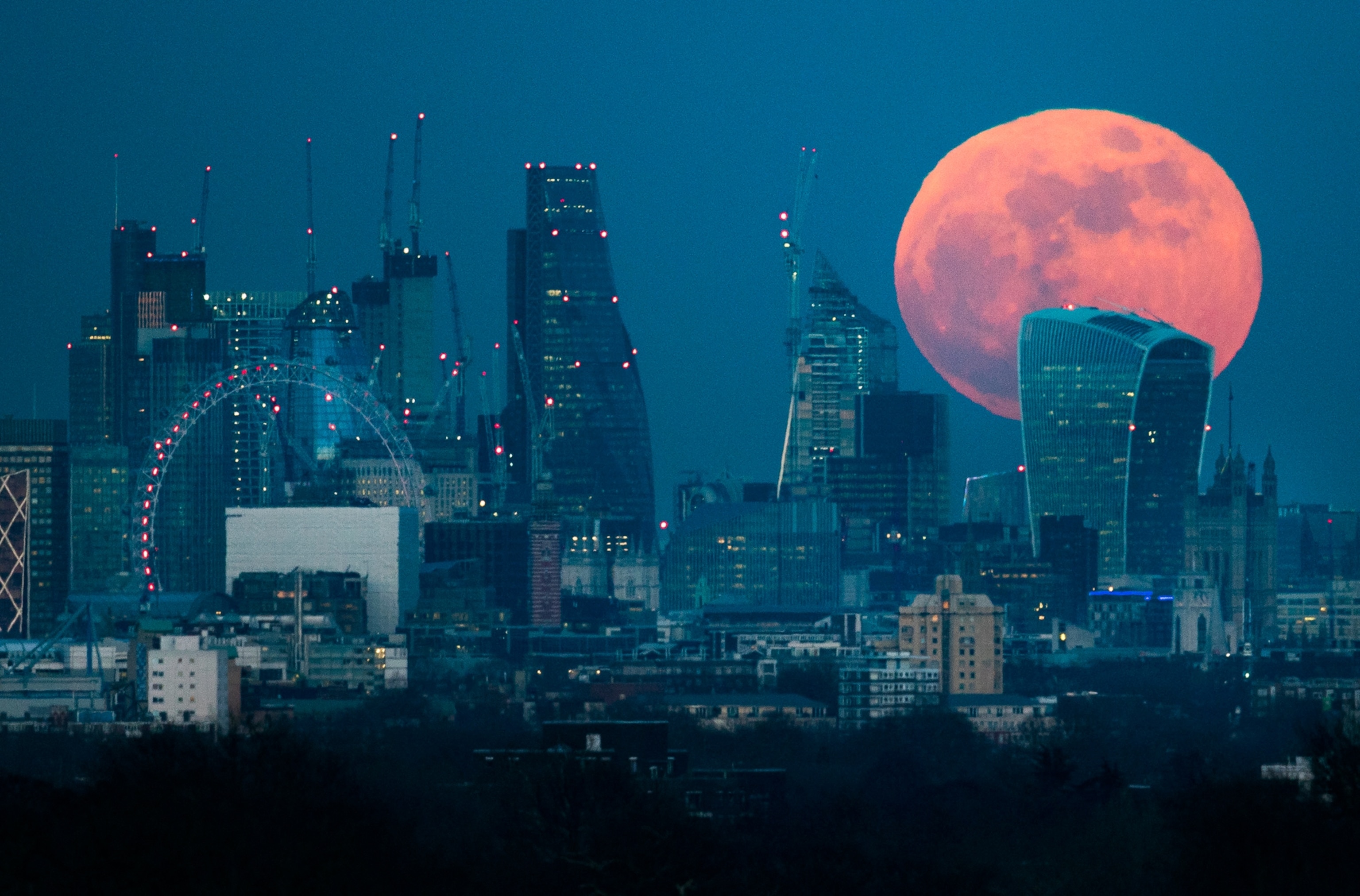
The Flower Moon reaches peak illumination at midday on May 1, but the most dramatic viewing occurs at moonrise or moonset. During these times, an optical illusion makes the moon appear larger and takes on a warm, orange hue. This full moon sets the stage for a month of lunar events, including a new moon on May 16 that will provide ideal conditions for observing the Milky Way core. The galactic center rises around 11 p.m. and remains visible until pre-dawn, particularly in dark-sky locations like national parks.
Eta Aquarids: Halley’s Comet’s Legacy
The Eta Aquarid meteor shower, peaking May 5-6, is caused by Earth passing through the dusty trail left by Halley’s Comet. The comet last visited the inner solar system in 1986 and will not return until 2061. These meteors are exceptionally fast, entering the atmosphere at about 40 miles per second, and often leave glowing trains that linger after the flash. Under ideal dark skies, the shower can produce up to 50 meteors per hour, though this year’s waning gibbous moon will obscure all but the brightest. The best viewing occurs in the pre-dawn hours, looking toward the eastern sky. Observers should allow 20 to 30 minutes for their eyes to adjust and avoid bright lights, including phone screens.
Planetary Alignments and a Venus-Moon Conjunction
On the mornings of May 12-13, Mars, Saturn, and the crescent moon will align almost perfectly just above the eastern horizon, appearing roughly an hour before sunrise. The trio will climb higher before dawn, and on May 14 they will form a pyramid shape with an extremely thin lunar crescent. Later, on May 18, the moon will meet Venus in a conjunction visible after sunset in the western sky. This pairing offers a brilliant sight for evening observers, complementing the morning planetary alignments earlier in the month.
A Rare Blue Moon Closes May
May’s second full moon, occurring at month’s end, qualifies as a seasonal blue moon—the third full moon in an astronomical season that contains four. This phenomenon is relatively rare, happening roughly every two to three years. The blue moon will provide another opportunity for lunar observation, though its name refers to the calendar rarity rather than any change in color. Together with the Flower Moon, it makes May a month of lunar abundance for skywatchers worldwide.
The bottom line
- May features two full moons: the Flower Moon on May 1 and a seasonal blue moon at month’s end.
- The Eta Aquarid meteor shower, peaking May 5-6, originates from Halley’s Comet and can produce up to 50 meteors per hour.
- Mars, Saturn, and the moon align on May 12-13, with a Venus-moon conjunction on May 18.
- The new moon on May 16 offers optimal conditions for viewing the Milky Way core.
- Bright moonlight may reduce visibility of the Eta Aquarids, but patient observers can still catch bright streaks.



May’s Flower Moon Rises Tonight, Ushering in a Rare Blue Moon and a Month of Celestial Spectacles
Inside Full Moon May 2026 Flower Moon Astrology

Lakers Face Elimination in Houston as Durant Sits Out Game 6