Ford pledges $2bn and 2,100 jobs for Kentucky battery plants after dissolving EV joint venture
The automaker assumes full control of the former BlueOval SK facilities in Glendale, shifting from electric-vehicle batteries to energy storage systems.
AUSTRALIA —
Key facts
- Ford will invest $2 billion in the former BlueOval SK plants in Hardin County, Kentucky.
- The investment is expected to create at least 2,100 full-time jobs manufacturing energy storage systems.
- Kentucky Governor Andy Beshear announced the updated terms on Thursday.
- Ford assumed full control after its joint venture with South Korea's SK On dissolved in December.
- The dissolution followed slower-than-expected EV demand and federal policy changes.
- In December, Ford laid off all 1,600 workers at the Glendale plant, four months after production began.
- Kentucky invested $250 million in taxpayer money for the original BlueOval SK project.
- Hardin County spent $1.6 million in federal relief funds on infrastructure for the plant.
Ford's renewed commitment to Kentucky
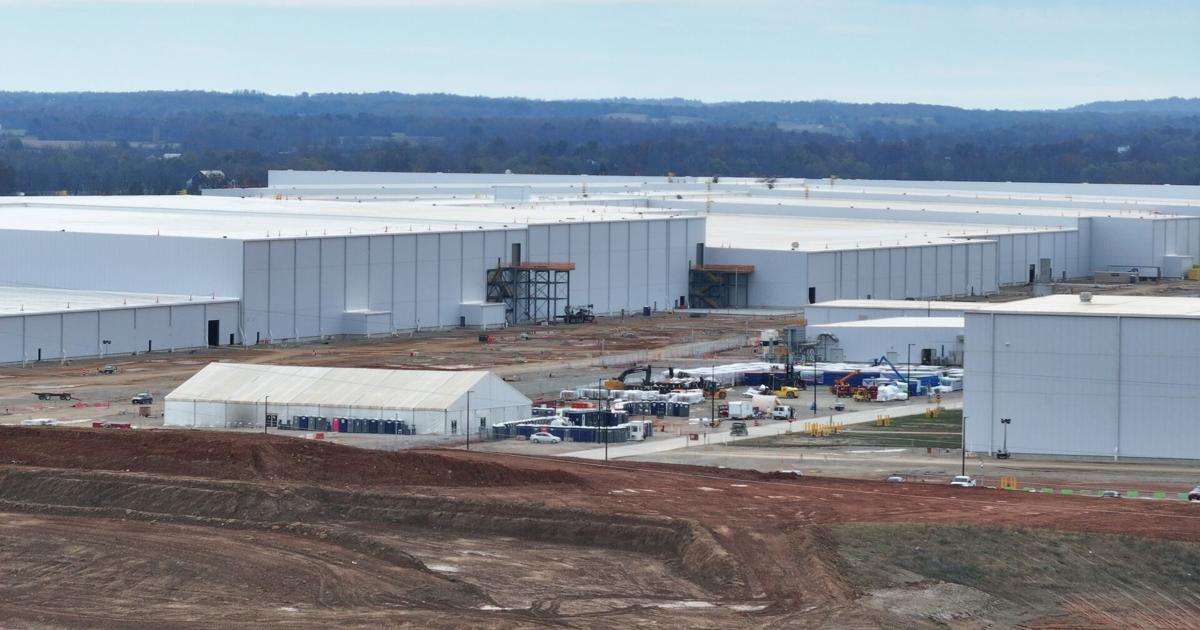
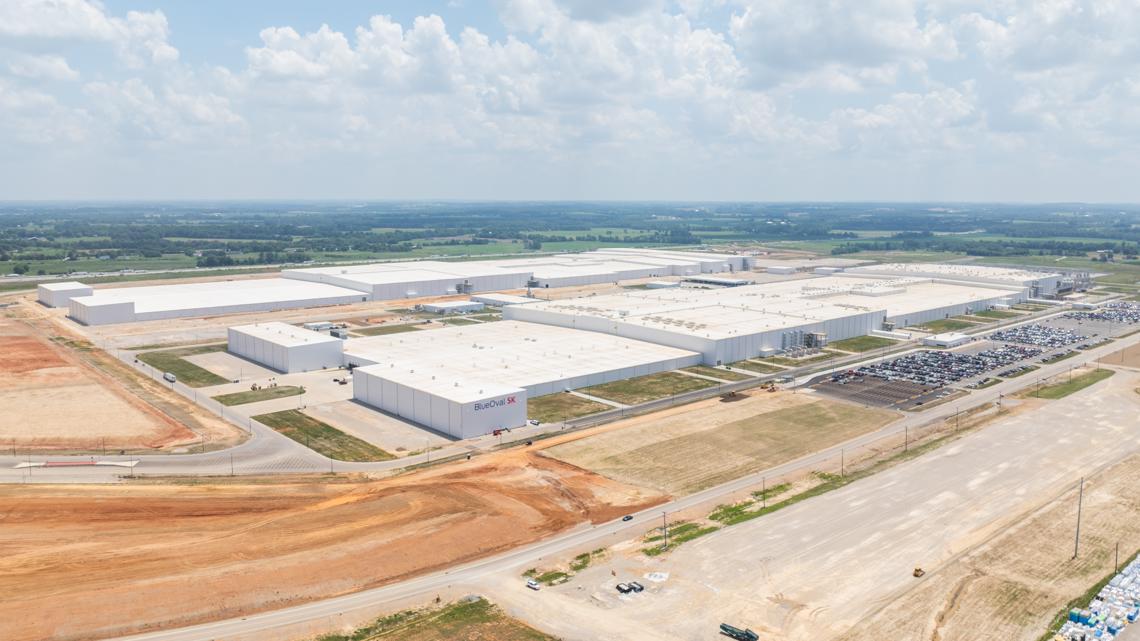
Ford Motor Company has agreed to invest an additional $2 billion in the former BlueOval SK facilities in Hardin County, Kentucky, creating at least 2,100 new full-time jobs, Governor Andy Beshear announced on Thursday. The jobs will focus on manufacturing energy storage systems, marking a strategic pivot for the plants that were originally designed to produce batteries for electric vehicles. "This is great news for Ford, great news for Hardin County and great news for all of Kentucky," Beshear said in a statement. "Ford has been a great employer and corporate partner in our state for more than a century, and our winning partnership will continue well into the future." The announcement comes after months of uncertainty surrounding the Glendale facilities, which were built as a joint venture between Ford and South Korea's SK On.
From EV batteries to energy storage
The original BlueOval SK plants were conceived as a cornerstone of Ford's electric vehicle strategy, intended to produce batteries for the electric F-150 pickup. However, slower-than-expected EV demand and shifts in federal policy led to the dissolution of the Ford-SK On joint venture in December. Ford assumed full control of both plants, and the facilities are now being retooled to produce energy storage system batteries instead. In December, Ford laid off all 1,600 workers at the Glendale plant just four months after production began, as the company scaled back its EV ambitions. At the time, Ford indicated it planned to hire 2,100 employees for the new iteration of the plant, and a company spokesperson said those laid off would have the opportunity to apply for the new roles.
Taxpayer investment and infrastructure
Kentucky invested $250 million in taxpayer money to attract the BlueOval SK project, with state and local leaders funding major infrastructure upgrades including water and sewer systems. Hardin County alone spent $1.6 million in federal relief funds on projects tied to the battery plant. The original deal promised 5,000 jobs and significant tax breaks, but the shift in Ford's strategy left those commitments in doubt. Under the new agreement, Ford is assuming all obligations under the loan agreement that was reached to build the plant.rms ensure that the taxpayer investment will still yield substantial economic returns, albeit in a different form than originally envisioned.
Uncertainty over second plant
Ford is only taking over one of the two plants as part of the agreement, leaving the state to determine the fate of the second facility. Beshear hinted that the second site could also be converted to energy storage system production, saying, "The orders are coming in, and we believe that there's a possibility that both of those plants could produce those batteries." Last December, Beshear estimated it could take at least 16 months for Ford to repurpose the facilities for energy storage battery manufacturing. The timeline suggests that production at the retooled plants may not begin until mid-2027 at the earliest.
Broader implications for Ford's EV strategy
Ford's decision to pivot from EV batteries to energy storage reflects a broader recalibration of the automaker's electric vehicle strategy amid changing market conditions and policy landscapes. The dissolution of the joint venture with SK On and the subsequent layoffs underscored the volatility of the EV sector, which has seen demand fluctuate as consumers weigh range, charging infrastructure, and price. By repurposing the Glendale plants for energy storage, Ford is positioning itself to serve a growing market for stationary battery systems, which are used to store energy from renewable sources and stabilize the grid. This shift may offer a more stable revenue stream than the competitive EV battery market, but it also represents a significant departure from the original vision for the site.
What comes next
The state of Kentucky and Hardin County will continue to work with Ford to finalize the details of the agreement, including the timeline for hiring and production. The 2,100 jobs are expected to be filled over the coming months, with priority given to former BlueOval SK employees who were laid off in December. Beshear expressed optimism about the long-term partnership, but the outcome hinges on Ford's ability to execute the transition smoothly and on the continued growth of the energy storage market. For now, the announcement provides a measure of relief for a community that had been bracing for economic fallout after the EV battery plant's collapse.
The bottom line
- Ford is investing $2 billion to convert the former BlueOval SK plants in Kentucky to energy storage system production, creating at least 2,100 jobs.
- The original joint venture with SK On dissolved in December due to slower EV demand and policy changes, leading to layoffs of 1,600 workers.
- Kentucky invested $250 million in taxpayer funds for the project, and Hardin County spent $1.6 million in federal relief on infrastructure.
- Ford is assuming all obligations under the loan agreement for one plant; the second plant's future is uncertain but may also produce energy storage batteries.
- The retooling is expected to take at least 16 months, meaning production may not begin until mid-2027.


Brisbane Lions lose star recruit Oscar Allen for three months with foot fracture

OG Anunoby silences All-Defensive debate with playoff surge for Knicks

USCIS Tightens Security Checks for Green Card and Citizenship Applicants
