Trump Threatens to Reduce US Troops in Germany After Merz Accuses Washington of Being 'Humiliated' by Iran
The US president's social media post came hours after Germany's top general met with US defence officials, escalating a transatlantic rift over the war in Iran.

AUSTRALIA —
Key facts
- Donald Trump posted on Truth Social that the US is 'studying and reviewing' a possible reduction of troops in Germany.
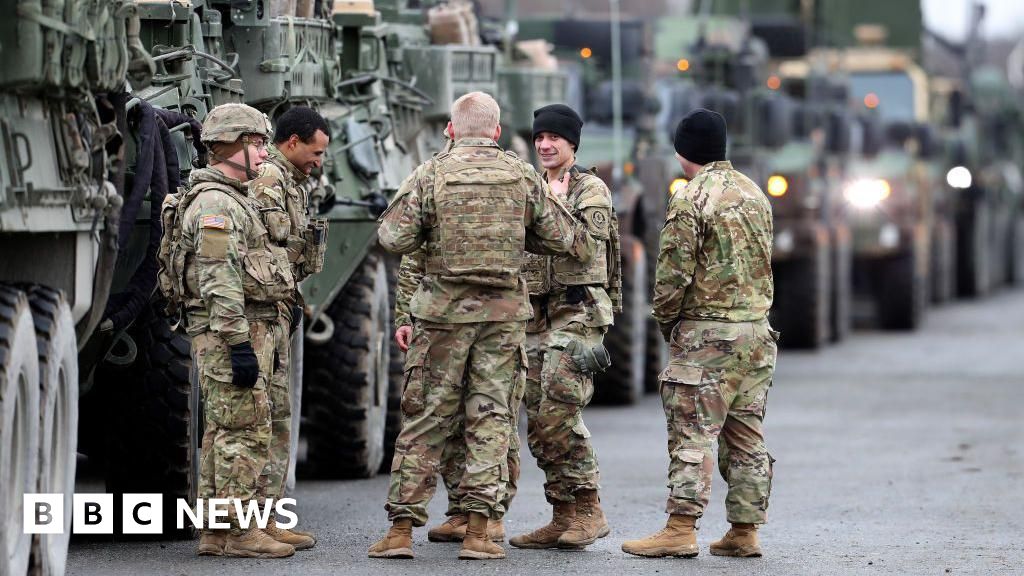
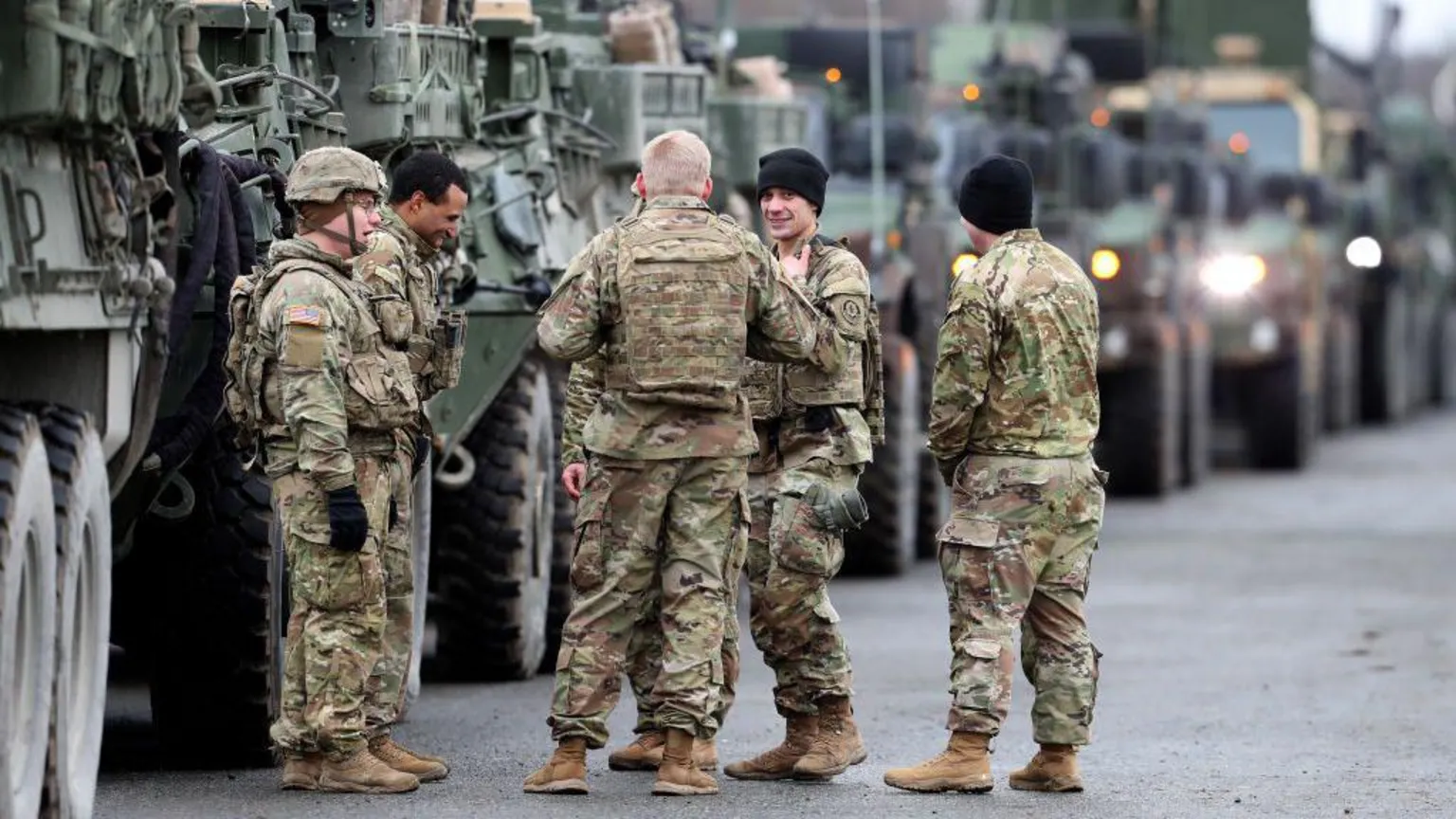
- Germany hosts the largest US troop contingent in Europe, with over 36,400 active-duty personnel as of December 2025.
- Chancellor Friedrich Merz said Iran's leadership is 'humiliating' the US in negotiations and that the US has 'no strategy'.
- Trump accused Merz of thinking it's 'OK for Iran to have a nuclear weapon' and said Merz 'doesn't know what he's talking about'.
- The US has over 68,000 active-duty military personnel across Europe, according to the Defense Manpower Data Center.
- Trump has previously threatened to withdraw from NATO, but a 2024 US law requires a two-thirds Senate majority or an act of Congress for such a move.
- Merz brushed off Trump's comments, saying his relationship with the president remains 'as good as ever'.
- Trump also criticised Italy and Spain for not helping in the war in Iran, saying he might consider pulling troops from those countries.
A Transatlantic Rift Deepens
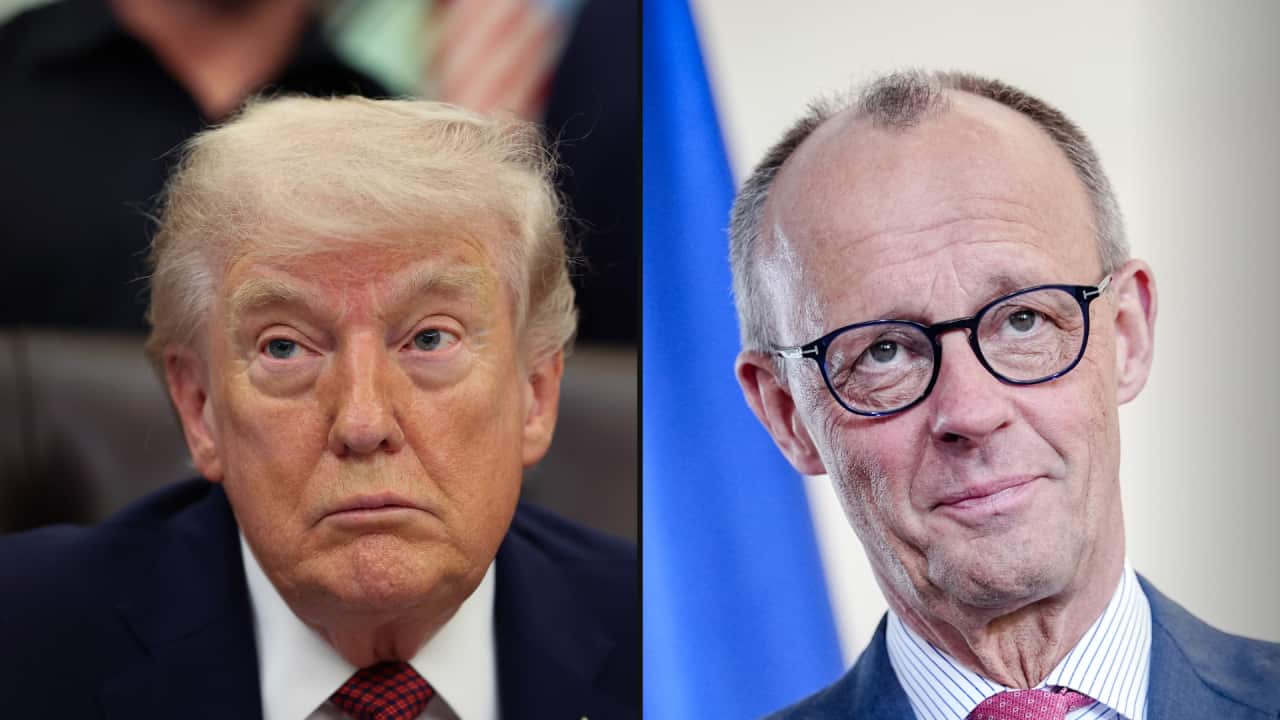
President Donald Trump has announced that the United States may reduce its troop presence in Germany, escalating a public feud with Chancellor Friedrich Merz over the war in Iran. In a post on his Truth Social platform late Wednesday, Trump said his administration is 'studying and reviewing the possible reduction of Troops in Germany, with a determination to be made over the next short period of time.' The threat comes days after Merz offered an unusually pointed rebuke of US negotiating tactics, accusing Washington of being outplayed by Iranian negotiators. The US maintains a substantial military footprint in Germany, with more than 36,400 active-duty personnel assigned to bases across the country as of December 2025, according to the US Defense Manpower Data Center. That figure represents more than half of the roughly 68,000 US troops stationed in Europe. Trump's post followed a meeting between Germany's top general and US defence officials, though the White House has not confirmed a direct link.
Merz’s Criticism of US Iran Strategy
The dispute began earlier this week when Merz, speaking to university students, suggested that the Trump administration had been 'humiliated' by Iranian leaders in negotiations to end the two-month-old war and reopen the Strait of Hormuz. 'The Iranians are obviously very skilled at negotiating, or rather, very skilful at not negotiating, letting the Americans travel to Islamabad and then leave again without any result,' Merz said. He added that he could not see 'what strategic exit' the US was pursuing. Trump cancelled a second round of US negotiator visits to Islamabad last week, and discussions over Iran’s nuclear programme and the strait have since stalled. Merz reiterated his criticism on Wednesday, saying Europe was 'suffering' from the consequences of the strait’s closure.
Trump’s Retort and Personal Attacks
Trump responded forcefully on Thursday, accusing Merz of thinking it is 'OK for Iran to have a nuclear weapon' and asserting that the German chancellor 'doesn’t know what he’s talking about.' In a subsequent post, Trump wrote: 'No wonder Germany is doing so poorly, both Economically, and otherwise!' He later told reporters that Merz was 'doing a terrible job' and had 'problems of all kinds,' including on immigration and energy. Merz, however, brushed off the remarks during a visit to German soldiers in northern Germany on Thursday, saying his relationship with Trump remains 'as good as ever.' He did not directly address Trump’s threats but stressed the importance of the NATO defensive alliance and 'transatlantic solidarity.'
Broader NATO Strains and Troop Numbers
Trump’s threat to reduce troops in Germany comes amid heightened tensions between the US and its traditional European allies. On 1 April, Trump said he was 'absolutely without question' considering withdrawing from NATO because European allies had failed to join the US-Israeli war on Iran and help secure the Strait of Hormuz. While a full withdrawal is seen as unlikely due to a 2024 US law requiring a two-thirds Senate majority or an act of Congress, experts suggest the White House could take actions that undermine the alliance short of an outright exit, such as pulling troops from Europe. Trump has also criticised other NATO members. When asked whether he would consider withdrawing troops from Italy and Spain, he responded: 'I probably will – look, why shouldn't I?' He accused both countries of being unhelpful in the Iran conflict, saying they had refused to get involved.
Historical Context and Future Uncertainty
The current US troop presence in Germany is a fraction of the 250,000 stationed there in 1985, before the fall of the Berlin Wall and the end of the Cold War. Trump has long criticised NATO allies for failing to spend adequately on defence, accusing them of 'ripping off' the US. His latest threat adds to a pattern of friction that has unsettled European capitals. Merz, for his part, has sought to downplay the rift, but the prospect of a significant reduction in US forces would be a major blow to European security. With no clear resolution in sight, the transatlantic relationship faces one of its most severe tests in decades.
The bottom line
- Trump has threatened to reduce US troops in Germany, the largest US contingent in Europe, after Merz accused Washington of being humiliated by Iran.
- The US has over 36,400 active-duty personnel in Germany, part of a broader European force of more than 68,000.
- Merz said Iran is 'very skilful at not negotiating' and that the US has 'no strategy' in the war, prompting Trump to accuse Merz of supporting a nuclear Iran.
- Trump has also criticised Italy and Spain for not participating in the Iran war, suggesting he might pull troops from those countries as well.
- A full US withdrawal from NATO is legally difficult due to a 2024 law, but troop reductions could undermine the alliance without an outright exit.
- The row underscores deepening divisions between the US and its European allies over the war in Iran and burden-sharing within NATO.

Melbourne Storm coach Craig Bellamy diagnosed with neurodegenerative disorder

Timberwolves lose DiVincenzo for season, Edwards' knee injury casts doubt on playoff run

Raiders overcome injury toll to edge Titans as Sanders and Tapine lead the way