US Army's Dark Eagle Hypersonic Weapon Requested for Middle East Deployment Amid Iran Tensions
CENTCOM seeks the $2.7 billion battery to counter Iranian missile launchers moved beyond range of existing systems, marking a milestone for the Army's first land-based hypersonic capability.
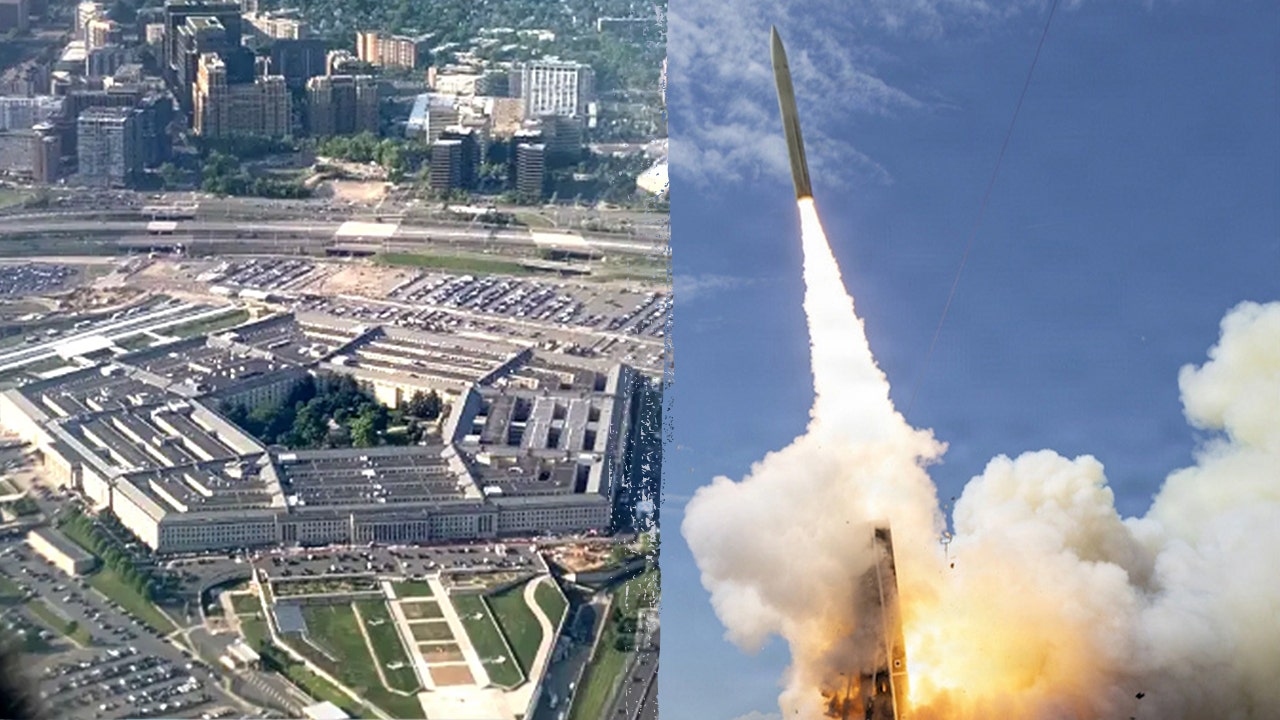
AUSTRALIA —
Key facts
- U.S. Central Command has requested deployment of the Army's Long Range Hypersonic Weapon, known as Dark Eagle, to the Middle East.
- The system has reached initial operational capability, the first U.S. land-based hypersonic weapon available for potential use.
- Individual Dark Eagle missiles cost an estimated $15 million each; a full battery costs roughly $2.7 billion.
- Dark Eagle can travel at hypersonic speeds while maneuvering in flight, with a range potentially exceeding 1,700 miles.
- The request was driven by concerns that Iranian ballistic missile launchers have been moved beyond the range of the Army's Precision Strike Missile, which can strike targets more than 300 miles away.
- The Army began fielding the system to a multidomain task force in December 2025 after testing and live-fire exercises.
- President Trump has stated there will 'never be a deal' unless Iran abandons its nuclear ambitions, and is reportedly weighing options including special forces missions to secure enriched uranium.
- The U.S. and Iran are currently adhering to a ceasefire in hopes of broader negotiations on Iran's nuclear program.
A Hypersonic Response to Shifting Iranian Missile Threats
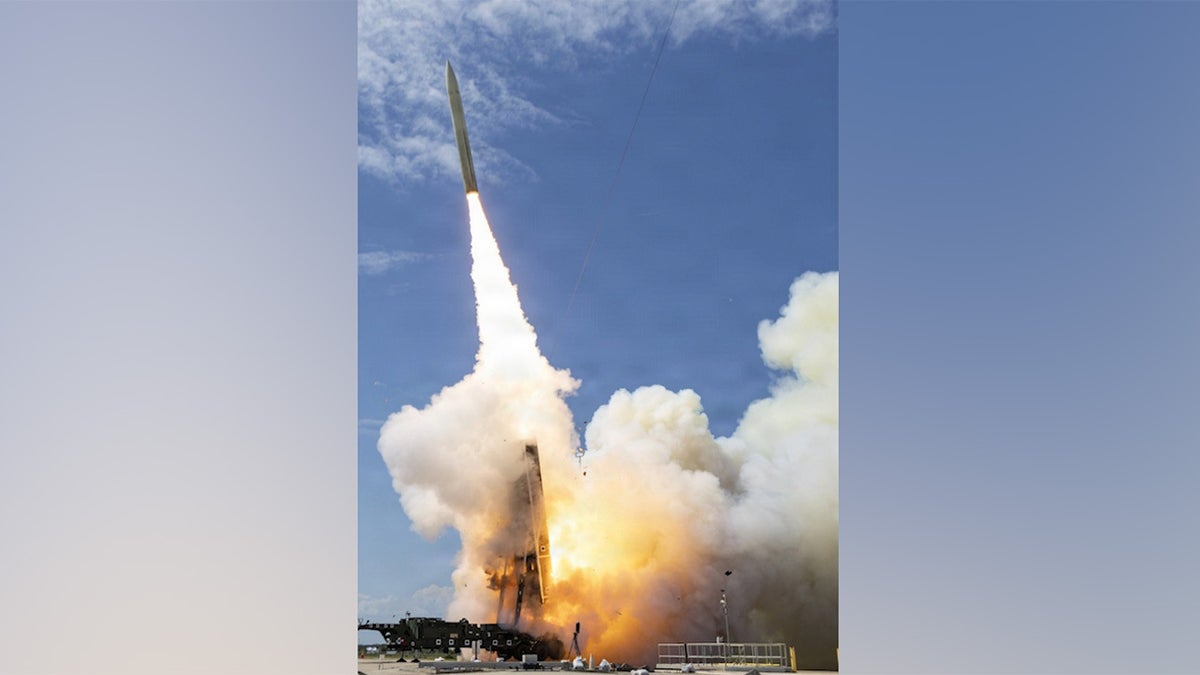
The United States military has quietly requested the deployment of its newest hypersonic weapon to the Middle East, a direct response to intelligence indicating that Iran has moved its ballistic missile launchers beyond the reach of existing American strike systems. U.S. Central Command, which oversees operations across the region, has formally asked for the Army's Long Range Hypersonic Weapon, known as Dark Eagle, according to a person with direct knowledge of the matter. The request, first reported by Bloomberg, reflects a growing recognition among Pentagon planners that conventional strike capabilities may no longer be sufficient to neutralize key Iranian missile assets. The Army's Precision Strike Missile, which can hit targets more than 300 miles away, is now considered inadequate for reaching launchers that have been repositioned deeper inside Iranian territory. A defense official confirmed to Fox News Digital that the Dark Eagle system has reached initial operational capability, marking the first time the United States has a land-based hypersonic weapon ready for potential combat use.
Dark Eagle's Capabilities and Strategic Significance
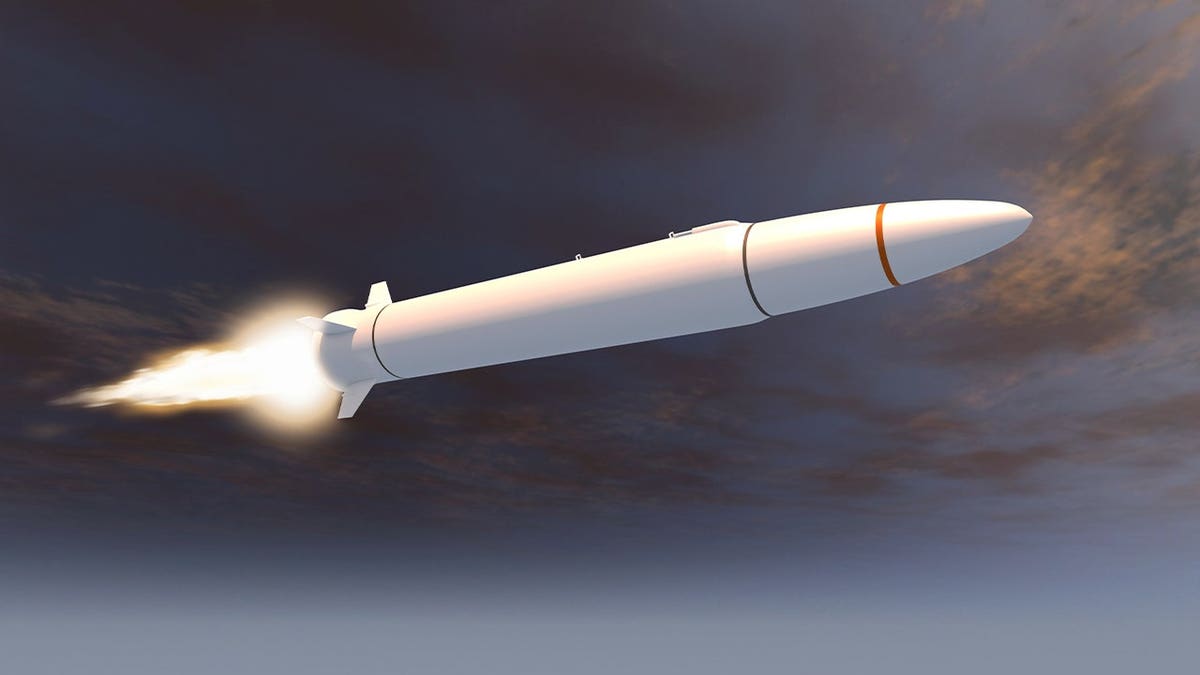
Unlike traditional ballistic missiles, hypersonic weapons can maneuver in flight, making them far more difficult to track and intercept. The Dark Eagle is designed to travel at speeds exceeding Mach 5 while adjusting its trajectory, allowing it to strike targets at ranges potentially greater than 1,700 miles with minimal warning. This combination of speed, range, and maneuverability makes it particularly suited for targeting mobile or hardened systems such as missile launchers that are difficult to reach with existing weapons. If deployed, the Dark Eagle would significantly expand the U.S. military's ability to project power across the region, offering a new option for striking distant, hard-to-reach targets with little notice. A single battery of the system, which includes launchers and support equipment, is estimated to cost roughly $2.7 billion, with individual missiles priced at around $15 million each—though earlier analyses placed the cost substantially higher. The Army began fielding the system to one of its multidomain task forces in December 2025 following a series of tests and live-fire exercises, placing the weapon within specialized units designed to execute long-range precision strikes across multiple domains.
Political Context and the Stalled Nuclear Talks
The deployment request comes at a time of heightened tension between Washington and Tehran, with President Trump declaring that there will 'never be a deal' unless Iran abandons its nuclear ambitions. The administration is reportedly weighing a range of options, including potential special forces missions to secure enriched uranium, as diplomatic efforts remain stalled. Despite the military posture, the United States and Iran are currently adhering to a ceasefire that was established in hopes of paving the way for broader negotiations on Iran's nuclear program. No deployment of the Dark Eagle to the Middle East has been publicly announced, and officials have not confirmed any request. The existence of the request, however, underscores the Pentagon's determination to close a capability gap that has been widening as China and Russia advance their own hypersonic programs. The United States has acknowledged falling behind in the hypersonic race, and the Dark Eagle represents a major milestone in the Army's effort to field its first land-based hypersonic weapon.
Behind the Request: Intelligence and Force Posture
The decision to seek deployment of the Dark Eagle was driven in part by intelligence assessments that Iranian ballistic missile launchers have been relocated beyond the effective range of current U.S. systems. The Army's Precision Strike Missile, with a range of more than 300 miles, can no longer reach these assets, leaving a critical gap in the U.S. strike capability. The Dark Eagle's extended range and maneuverability would allow it to engage these targets with far less warning, potentially altering the strategic calculus for both sides. The request also highlights the evolving role of multidomain task forces, which are designed to integrate land, sea, air, space, and cyber capabilities for long-range precision strikes. The Army's fielding of the Dark Eagle to one such unit in December 2025 signals a shift in how the Pentagon envisions projecting power in contested environments. A defense official described the system as having reached initial operational capability, a designation that confirms it is ready for deployment, though no official timeline has been provided.
Cost, Production, and the Hypersonic Race
The Dark Eagle program has faced years of delays and cost overruns, but the recent milestone of initial operational capability marks a turning point. Each missile carries a price tag of approximately $15 million, though earlier estimates suggested the cost could be significantly higher. A full battery, including launchers and support equipment, is valued at roughly $2.7 billion, making it one of the Army's most expensive conventional systems. The United States has been under pressure to accelerate its hypersonic programs as China and Russia have demonstrated operational capabilities. The Pentagon has prioritized hypersonic weapons as a key technology for future warfare, and the Dark Eagle is central to that effort. The system's ability to maneuver in flight and strike at extreme ranges gives it a unique role in the U.S. arsenal, one that could prove decisive in a conflict with a well-defended adversary like Iran.
What Comes Next: Deployment and Diplomacy
While the deployment request has been made, no decision has been announced, and the Pentagon has not confirmed any movement of the system to the Middle East. The existence of the request, however, signals that the military is preparing for a scenario where diplomatic efforts fail and military action becomes necessary. The ceasefire between the United States and Iran remains in effect, but the window for negotiations is narrowing as both sides harden their positions. President Trump's statement that there will 'never be a deal' unless Iran abandons its nuclear ambitions suggests that the administration is prepared to escalate pressure. The potential deployment of the Dark Eagle would be a significant escalation, giving the United States a new capability to strike deep inside Iran with little warning. For now, the system remains in the hands of the Army's multidomain task forces, awaiting a decision that could reshape the military balance in the Middle East.
A New Era of Hypersonic Power Projection
The request for the Dark Eagle deployment represents more than a tactical adjustment; it signals a fundamental shift in how the United States plans to project power in an era of advanced missile defenses and maneuvering threats. Hypersonic weapons, with their ability to evade interception and strike with precision at extreme ranges, are changing the calculus of deterrence and warfare. For the Army, fielding the Dark Eagle is a milestone that brings the service into a new domain of long-range precision strike. The implications for Iran are clear: its missile launchers, once considered safe beyond the range of existing U.S. systems, may now be within reach. The deployment request, whether approved or not, has already sent a signal that the United States is closing the gap in hypersonic capabilities. As the world watches the unfolding drama between Washington and Tehran, the Dark Eagle stands as a reminder that the technology of war is evolving faster than the diplomacy meant to prevent it.
The bottom line
- U.S. Central Command has requested deployment of the Army's Dark Eagle hypersonic weapon to the Middle East to counter Iranian missile launchers moved beyond the range of existing systems.
- The Dark Eagle has reached initial operational capability, making it the first U.S. land-based hypersonic weapon available for potential use.
- The system can travel at hypersonic speeds while maneuvering in flight, with a range potentially exceeding 1,700 miles, and costs roughly $2.7 billion per battery.
- The request reflects a growing concern that current U.S. strike capabilities are insufficient to reach key Iranian missile assets.
- The Army began fielding the system in December 2025, placing it within multidomain task forces designed for long-range precision strikes.
- The deployment request comes amid stalled nuclear talks and President Trump's insistence that Iran abandon its nuclear ambitions, with a ceasefire still in effect.



Melbourne Storm coach Craig Bellamy diagnosed with neurodegenerative disorder

Timberwolves lose DiVincenzo for season, Edwards' knee injury casts doubt on playoff run

Raiders reshuffle backline as Ethan Strange's ankle injury forces late changes against Titans