UAE reports Iranian missile attack as US pushes Project Freedom through Strait of Hormuz
A cargo ship caught fire off the UAE coast amid the first missile alerts since the April ceasefire, as Washington and Tehran test the fragile truce.
AUSTRALIA —
Key facts
- UAE said Iran launched four cruise missiles on Monday, three intercepted over territorial waters, one landed in the sea.
- Two US-flagged commercial ships transited the Strait of Hormuz under Project Freedom, a US initiative to restore shipping.
- Iran threatened to attack any vessel transiting without its permission and claimed to have struck a US Navy vessel (denied by US).
- A South Korean-operated ship anchored in the strait suffered an explosion and fire; cause unknown, crew accounted for.
- President Trump told congressional leaders on Friday that hostilities with Iran had terminated as of April 7, 2026.
- Iran submitted a 14-point peace proposal; Trump said he would likely reject it because Iran has not paid a big enough price.
- The US-led Joint Maritime Information Center advised ships to cross the strait in Omani waters via an enhanced security area.
Missiles over the Emirates
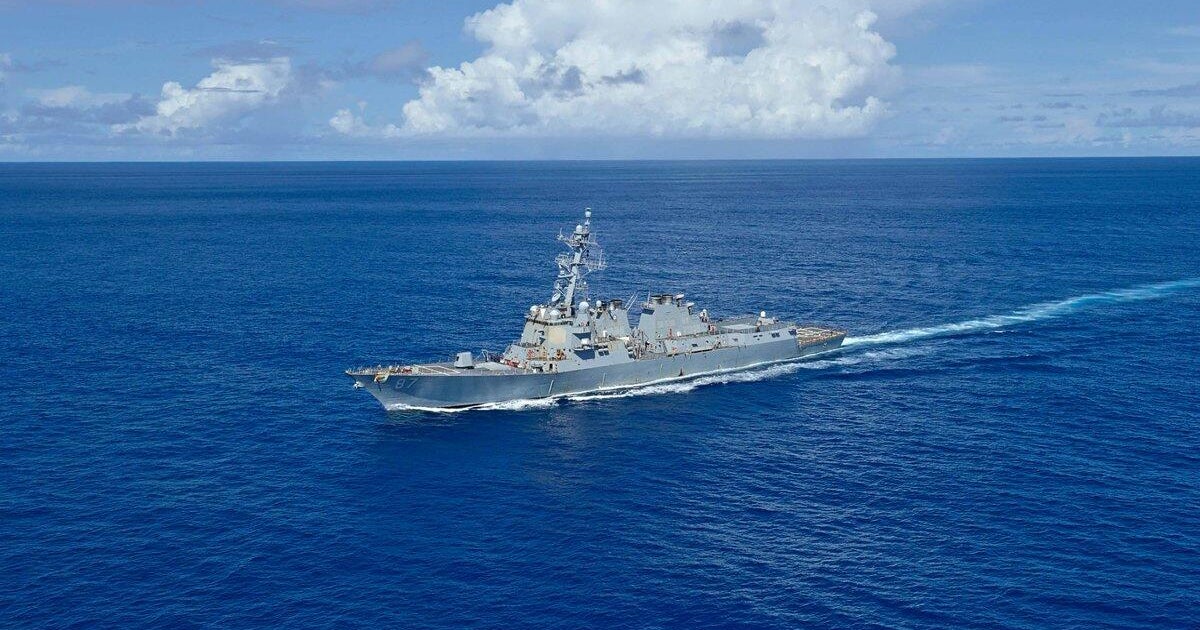
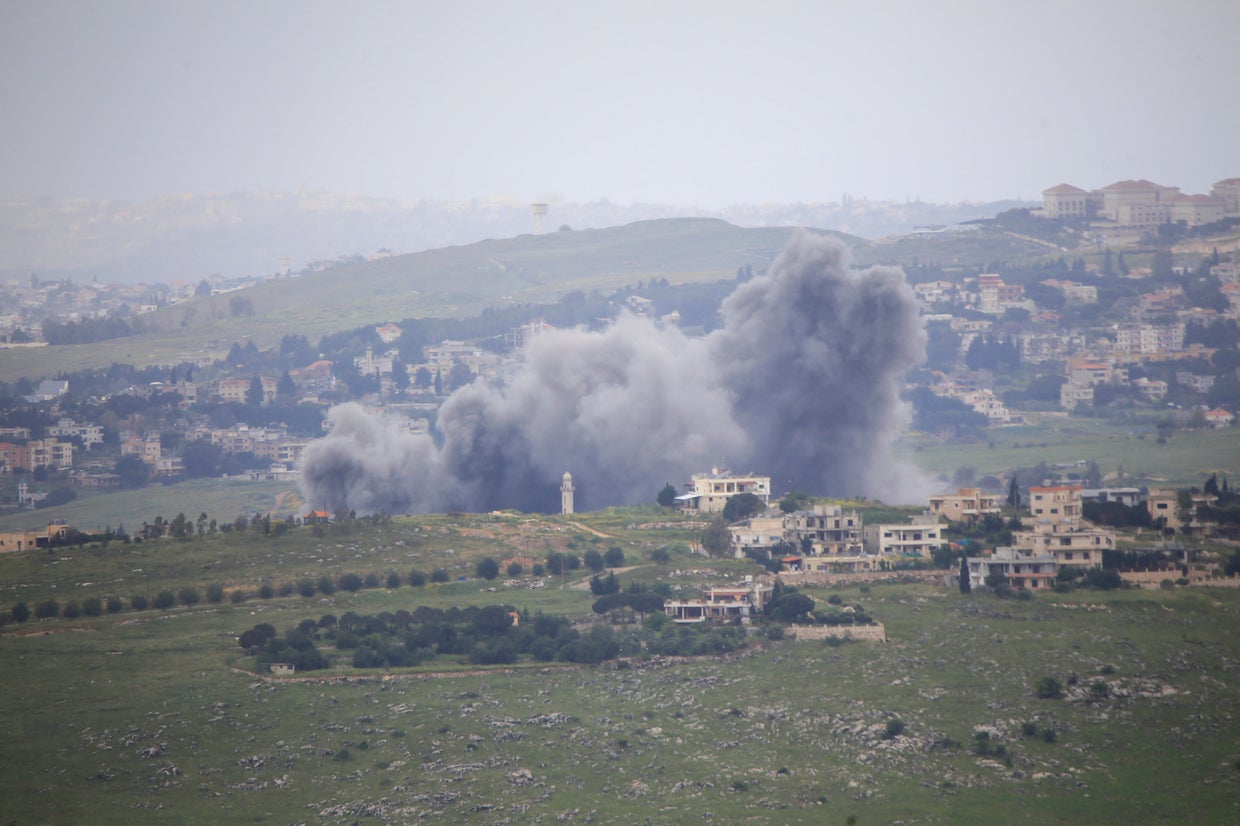
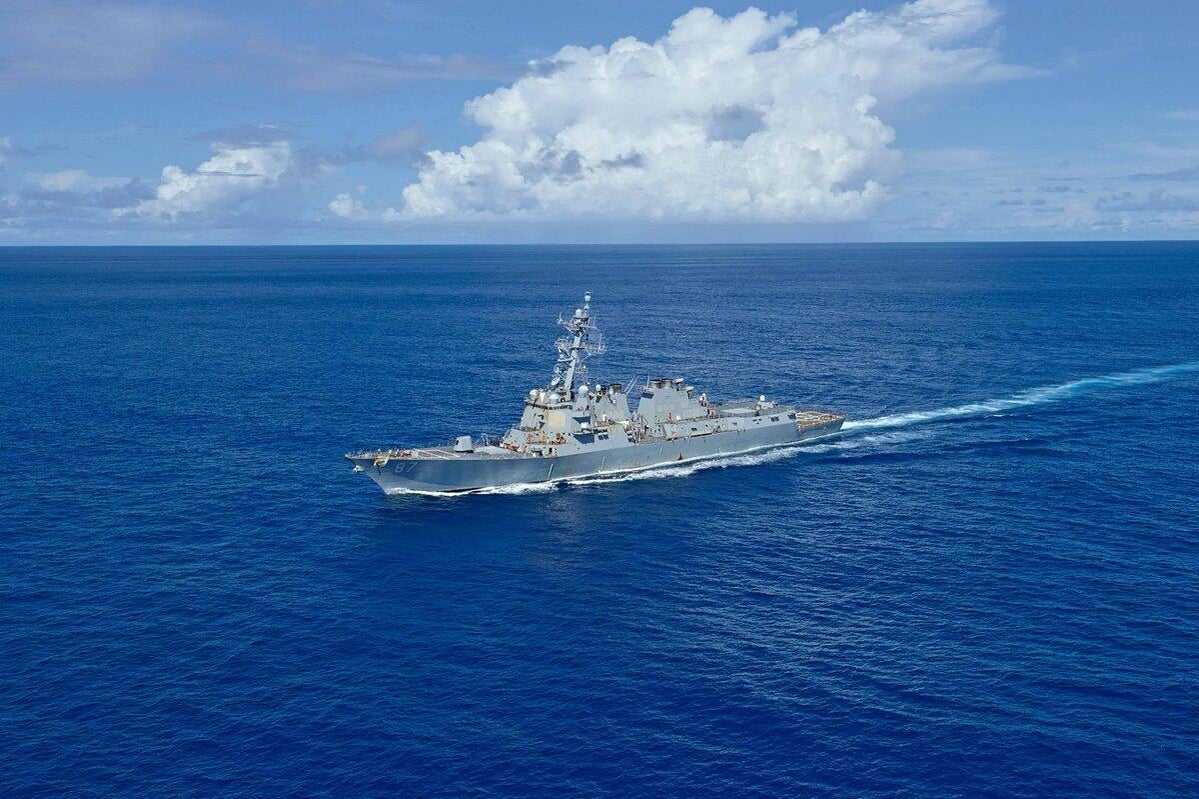
The United Arab Emirates activated its air defenses on Monday for the first time since the U.S.-Iran ceasefire took effect in early April, after Iran launched four cruise missiles at the country. The UAE Ministry of Defense stated that three of the missiles were successfully intercepted over its territorial waters while a fourth landed in the sea. The official emergency agency urged residents to remain in safe places and follow updates, reviving warnings that had been a daily occurrence during the height of the war. The attack targeted a vessel owned by a state-run energy company, which the UAE described as an Iranian terrorist act. It remains unclear whether that ship had sought guidance to transit the Strait of Hormuz under the U.S. Project Freedom initiative announced by President Trump. The missile strike came hours after the U.S. military confirmed that two American-flagged merchant vessels had safely passed through the strait as part of that initiative.
Project Freedom and the strait's chokehold
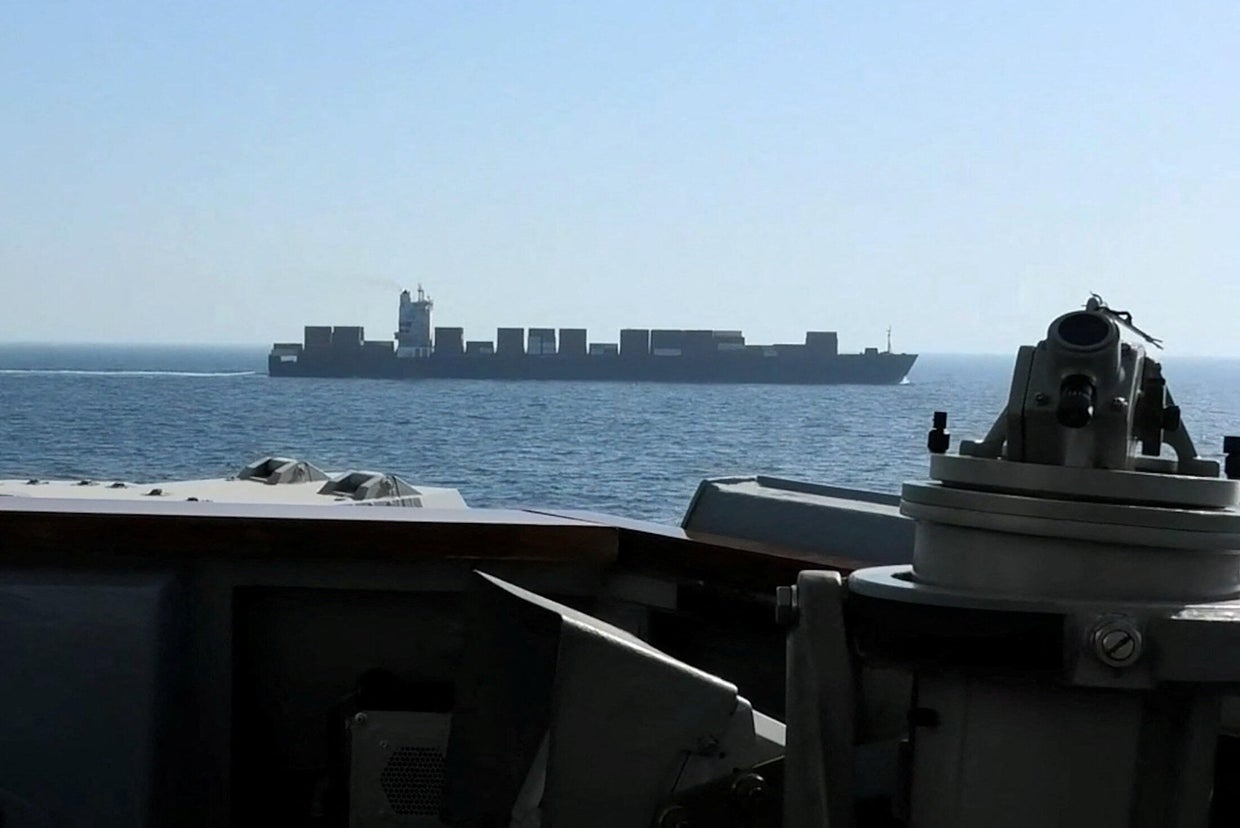
Project Freedom aims to break Iran's effective closure of the Strait of Hormuz, a waterway that has been under Tehran's de facto control since the U.S. and Israel launched the war on February 28, 2026. The strait's blockage has sent global fuel prices soaring and rattled the world economy. The U.S.-led Joint Maritime Information Center is now advising commercial ships to cross using Omani territorial waters, where it has established an enhanced security area. Iran has vowed to attack any vessel that attempts to transit without its permission, and the new U.S. effort risks reigniting full-scale fighting. Shipping companies and their insurers remain wary, given Iran's record of firing on ships in the waterway. Iran has called the U.S. initiative a violation of the fragile ceasefire that has held for more than three weeks.
Ceasefire under strain
The ceasefire, agreed in early April and later extended indefinitely by President Trump, had stopped the exchange of fire between U.S. forces and Iran since April 7. In a letter to House Speaker Mike Johnson and Senate leader Chuck Grassley on Friday, Trump declared that hostilities had terminated as the war hit the 60-day mark. Yet the past 24 hours have seen a sharp rise in tension as both sides jostle for control of the strait. Iran has submitted a 14-point peace proposal to Washington, which it says is aimed at ending the war, not merely extending the ceasefire. Trump indicated over the weekend that he would likely reject the proposal, stating that Iran has not paid a big enough price. The U.S. has not yet made an official response public, but the Iranian regime said it received a reply.
Fire at sea and conflicting claims
On Monday, a cargo ship caught fire off the coast of the UAE, with the British military's United Kingdom Maritime Trade Operations center reporting that the blaze started in the engine room. The crew was accounted for, and the cause of the fire remains unknown. Separately, a South Korean-operated ship anchored in the strait suffered an explosion and fire; the South Korean government said the cause was also unclear. Iran claimed to have struck a U.S. Navy vessel near the strait, a claim the United States immediately denied. underscore the fog of war that persists even under a ceasefire. No exchange of fire between U.S. and Iranian forces has been recorded since April 7, but the missile attack on the UAE and the ship fires suggest that hostilities may be simmering below the surface.
Global stakes and diplomatic calculus
The Strait of Hormuz is a vital chokepoint for global oil shipments, and Iran's ability to disrupt traffic has given Tehran significant leverage in any negotiations. Project Freedom is designed to erode that leverage by restoring commercial transit without Iranian permission. However, the initiative also carries the risk of triggering a new round of open conflict if Iran follows through on its threats. The UAE, a key U.S. ally in the Persian Gulf, was a frequent target of Iranian missiles and drones during the war before the ceasefire. Monday's attack marks a return to that dynamic, potentially pushing the Emirates to reconsider its stance. The U.S. and Iran are now locked in a cycle of escalation, with each side testing the other's red lines while professing a desire for peace.
What comes next
The success of Project Freedom hinges on whether shipping companies and insurers are willing to accept the risk of Iranian retaliation. If commercial traffic resumes in significant numbers, Iran may feel compelled to act to maintain its blockade, potentially breaking the ceasefire. Conversely, if the initiative stalls, the U.S. may face pressure to escalate further to demonstrate resolve. Diplomatically, the fate of Iran's 14-point proposal remains uncertain. Trump's rejection of it as insufficient suggests that Washington is demanding more concessions before agreeing to a permanent end to hostilities. The coming days will reveal whether the ceasefire can survive the strain of competing efforts to control the strait, or whether the region is sliding back toward war.
The bottom line
- Iran launched four cruise missiles at the UAE on Monday, the first such attack since the April ceasefire, hitting a state-owned oil tanker.
- Two US-flagged ships successfully transited the Strait of Hormuz under Project Freedom, challenging Iran's blockade.
- A cargo ship caught fire off the UAE coast and a South Korean-operated ship exploded in the strait; causes unknown.
- Iran claimed to have struck a US Navy vessel; the US denied it, highlighting information warfare.
- Trump declared hostilities terminated but signaled he will reject Iran's 14-point peace proposal.
- The Strait of Hormuz remains a flashpoint, with global fuel prices and economic stability at stake.


Sharks run riot as Tigers suffer 52-10 humiliation after Luai's bombshell departure announcement

Marta Kostyuk Captures First WTA 1000 Title in Madrid, Defeating Mirra Andreeva

Raiders overcome injury toll to edge Titans as Sanders and Tapine lead the way
