Amy Berg’s Documentary ‘It’s Never Over’ Reclaims Jeff Buckley from Myth
The Oscar-nominated filmmaker pieces together archival footage and intimate interviews to reveal the man behind the legend, centering the women who knew him best.
AUSTRALIA —
Key facts
- Jeff Buckley drowned accidentally in the Wolf River, Memphis, in 1997 at age 30.
- His only studio album, Grace (1994), was hailed by David Bowie as 'the best album ever made' but underperformed on US charts.
- Buckley’s father, Tim Buckley, died of a heroin overdose in 1975 at age 28.
- The documentary features interviews with Buckley’s mother Mary Guibert, former girlfriend Rebecca Moore, longtime partner Joan Wasser, and friend Aimee Mann.
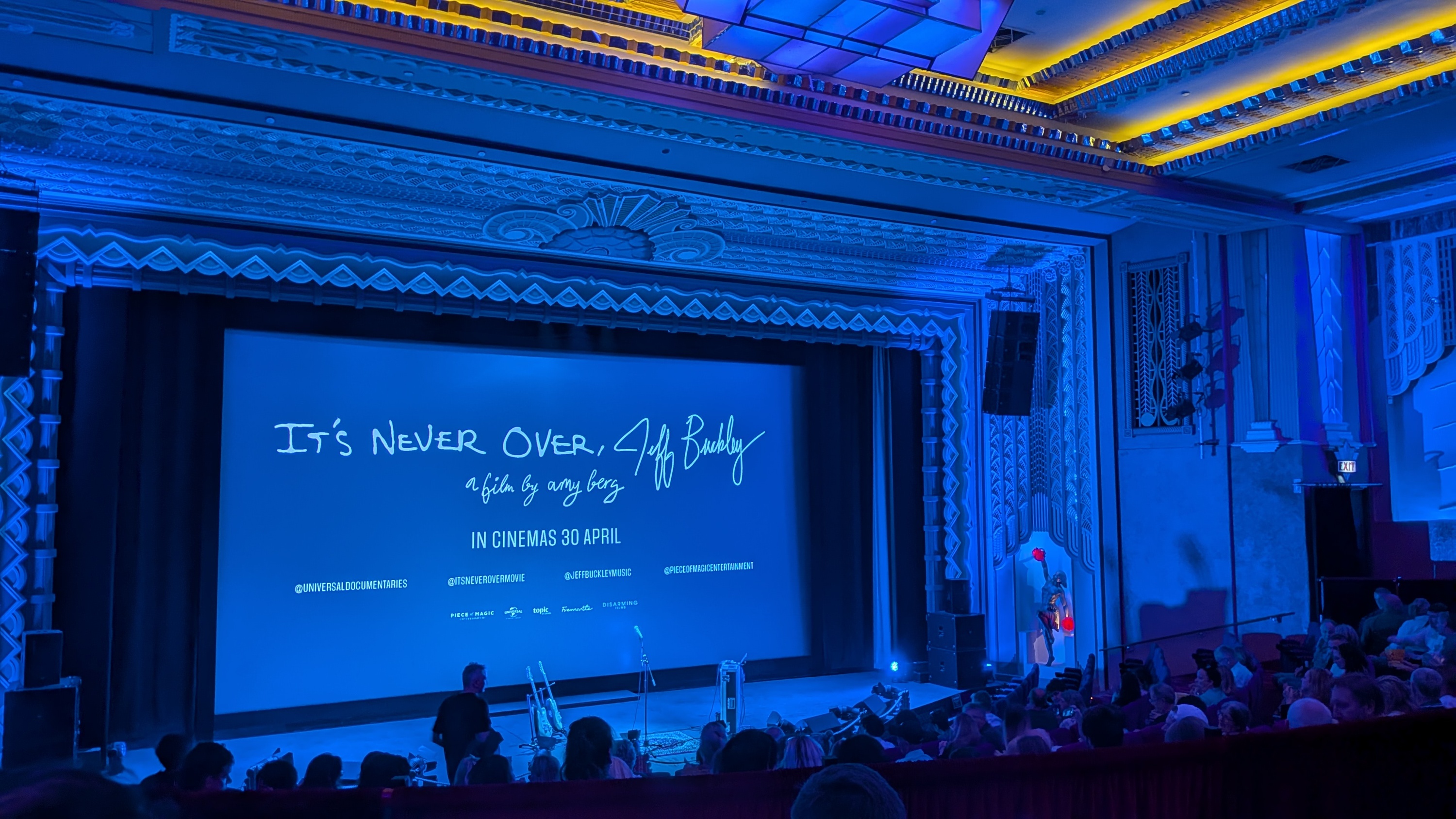
- It’s Never Over, Jeff Buckley premiered in Australian cinemas on April 30.
- Director Amy Berg grew up on 1990s grunge and punk and previously earned an Oscar nomination.
A Voice That Defined a Generation
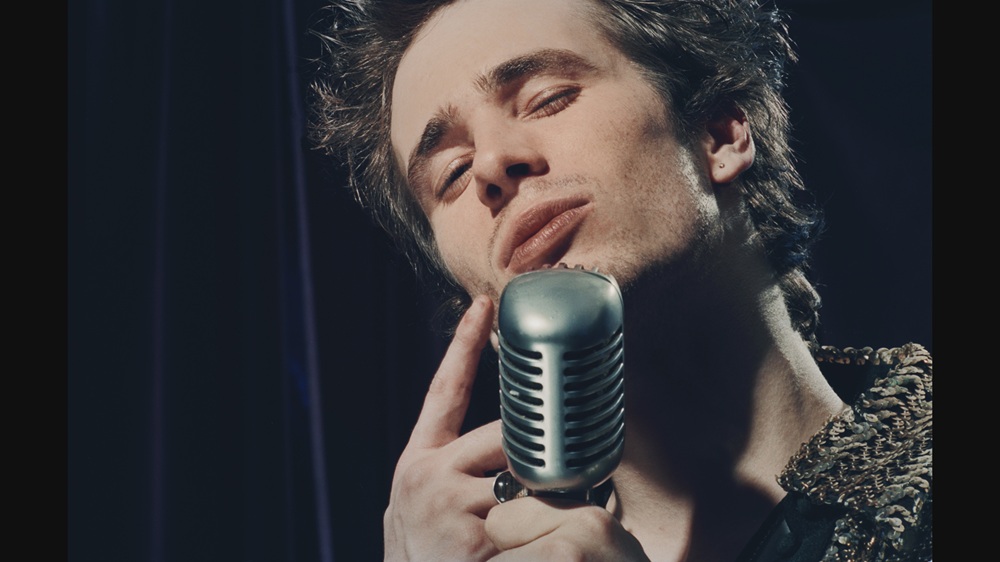
Few songs embed themselves into the cultural DNA quite like Jeff Buckley’s cover of Leonard Cohen’s “Hallelujah.” Yet the man behind that voice — a prodigious singer-songwriter with a four-octave range and a mercurial guitar style — has often been reduced to a myth of the tortured genius who died too young. Oscar-nominated filmmaker Amy Berg’s new documentary, It’s Never Over, Jeff Buckley, aims to change that. The film, which opened in Australian theatres on April 30, draws on extensive archival material: live footage, family photos, journals, and interviews. Berg, who grew up on the grunge and punk of the 1990s, pieces together a portrait that feels less like a retrospective and more like a conversation with a ghost. The result is an intimate, emotionally layered work that humanizes Buckley beyond the clichéd narrative.
The Women Who Knew Him Best
Berg’s most striking decision is to center the documentary on the women in Buckley’s life. His single mother, Mary Guibert, his good friend Aimee Mann, his former girlfriend Rebecca Moore, and his longtime partner Joan Wasser each offer emotional memories and thoughtful insights. Their recollections are not curated for legacy-building; they are messy, loving, and sometimes aching. In their voices, Buckley is not a legend but a son, a partner, a complicated human being trying to find his place. “I think Amy really captured his essence,” says close friend and guitarist Michael Tighe. “You feel the film more than you watch it. It emotes more than it explains.” That perspective reshapes the narrative entirely, anchoring the film in something more personal than the usual rise-and-fall structure.
The Burden of Grace
Buckley’s 1994 debut album, Grace, was met with rapturous reviews — one critic called it “proof that God exists” — and David Bowie famously declared it “the best album ever made.” Yet the record underperformed on the US charts, leading Sony and Columbia Records to view Buckley as a poor investment. They pressured him into relentless touring and a swift follow-up, but a second studio album never materialized. In 1997, while working on new music in Memphis, Tennessee, Buckley drowned accidentally in the Wolf River at age 30. The tragedy echoed the fate of his father, Tim Buckley, a countercultural troubadour who had abandoned Jeff and his mother and died of a heroin overdose in 1975 at 28. The documentary, however, avoids sensationalizing the death, instead leaning into the lingering impact — particularly in a devastating moment involving a final voicemail to his mother.
Beyond the Tortured Genius Cliché
Berg’s film gently dismantles the shorthand that has defined Buckley’s legacy. Far from the gloomy, mysterious figure of myth, Buckley emerges as fiercely sensitive, deeply curious, occasionally restless, and far more grounded in his relationships than his mythology might suggest. He could be goofy and self-deprecating, with a rare mimetic gift that made him an unusually skilled interpreter of other artists, from Nina Simone to MC5 to Nusrat Fateh Ali Khan. “He could be the most silly,” remembers Tighe. “His impressions were incredible. He’d mimic other singers at sound check — like an amazing Chris Cornell. I still laugh about it.” The film’s honesty makes his loss land harder: this was not a figure undone by excess or spectacle, but someone still evolving, still searching, still tethered to the people around him.
A Delicate Visual and Emotional Craft
Visually, Berg avoids letting the archival-heavy structure feel static. Restored footage is given new life, while subtle, expressive animation fills in emotional gaps rather than factual ones. It is a delicate touch — never showy, but enough to keep the film from slipping into the familiar rhythms of talking-head nostalgia. Time Out reviewer Elizabeth Weitzman writes: “The punk angel with the four-octave range also had a rare and remarkable mimetic gift. In the strongest compliment to Berg’s affectionate portrait, she makes a similarly convincing case, with ample and tender grace.” The film does not try to solve its subject; instead, it offers proximity — to the music, to the relationships, to the fragments of a life that continue to echo long after it ended.
A Gateway for Newcomers, a Deeper Connection for Fans
For longtime admirers, It’s Never Over deepens an already profound connection. For newcomers, it serves as a gateway — not just into Buckley’s catalogue, but into the emotional gravity that surrounds it. The documentary hums with the quiet power of Grace, the only studio album released during his lifetime, a record that looms large not just in reputation but in the way those around him speak about it. Hearing how deeply it resonated, even among peers like David Bowie, reinforces what the film keeps circling: Buckley’s talent was not just impressive, it was transformative. The film leaves the viewer with the same lingering sensation his music does: something beautiful, unresolved, and impossible to replicate. It’s Never Over, Jeff Buckley is now screening in Australian theatres.
The bottom line
- Amy Berg’s documentary reframes Jeff Buckley’s legacy by centering the women in his life, offering a more intimate and human portrait than the myth of the tortured genius.
- Buckley’s only studio album, Grace, was critically acclaimed but commercially underperformed, leading to industry pressure that contributed to his struggles.
- The film uses restored archival footage, interviews, and subtle animation to create an emotionally layered narrative that avoids sensationalizing his accidental drowning.
- Buckley’s relationships with his mother, partners, and friends reveal a goofy, self-deprecating, and deeply passionate person, contradicting the clichéd image.
- The documentary serves both as a deeper exploration for longtime fans and an accessible entry point for newcomers to Buckley’s music and story.
- It’s Never Over, Jeff Buckley is currently screening in Australian cinemas, with a release that underscores the enduring global fascination with the artist.

Riyan Parag's Rajasthan Royals Stumble to 37/2 After Jaiswal, Sooryavanshi Fall Early Against Delhi Capitals

Kyle Sandilands Teases ‘Bigger Than Ever’ Return as Legal Battle with ARN Intensifies
G8 Education to Close 40 Childcare Centres Across Australia After Abuse Scandal