Charles and Camilla Demanded Kate Change Name Spelling, Biography Claims
Royal author alleges King and Queen Consort sought to alter Catherine's name for monogrammatic reasons ahead of her 2011 wedding.
AUSTRALIA —
Key facts
- A new royal biography claims King Charles and Queen Camilla asked Kate Middleton to change her name's spelling.
- The alleged request occurred before Kate's 2011 wedding to Prince William.
- The reason cited was to avoid a third royal monogram featuring the letter 'C'.
- The proposed change was from Catherine to Katherine.
- Prince William reportedly called the request 'insulting'.
- The biography is titled 'Kate! The Courage, Grace and Power of the Woman Who Will Be Queen' by Christopher Andersen.
- Kate Middleton is set to undertake a solo trip to Italy from May 13-14.
A Pre-Wedding Monogram Dispute
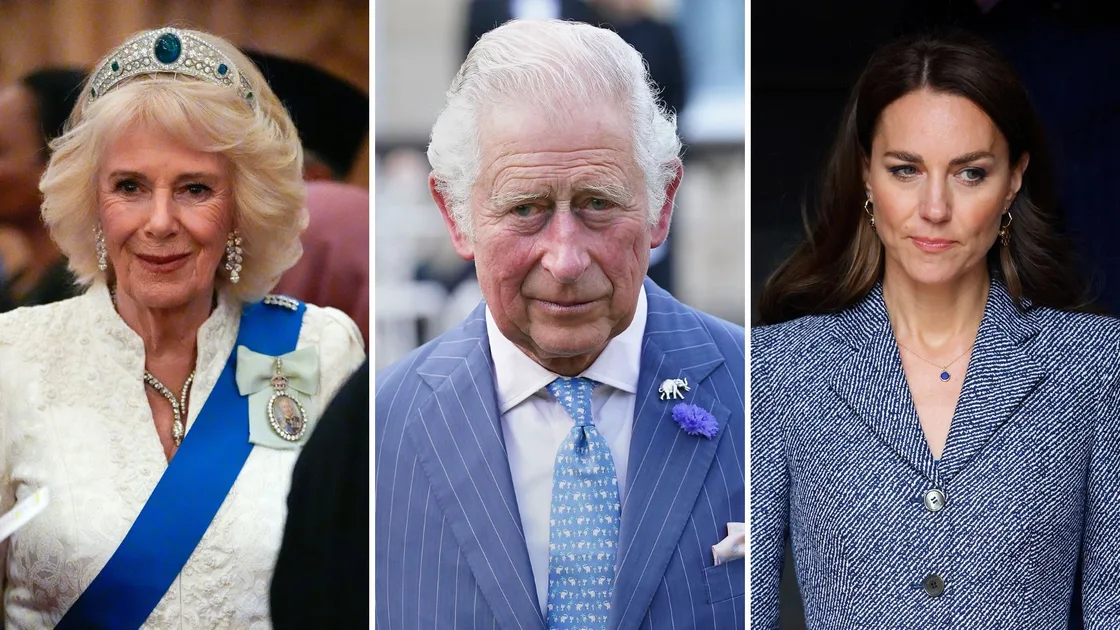
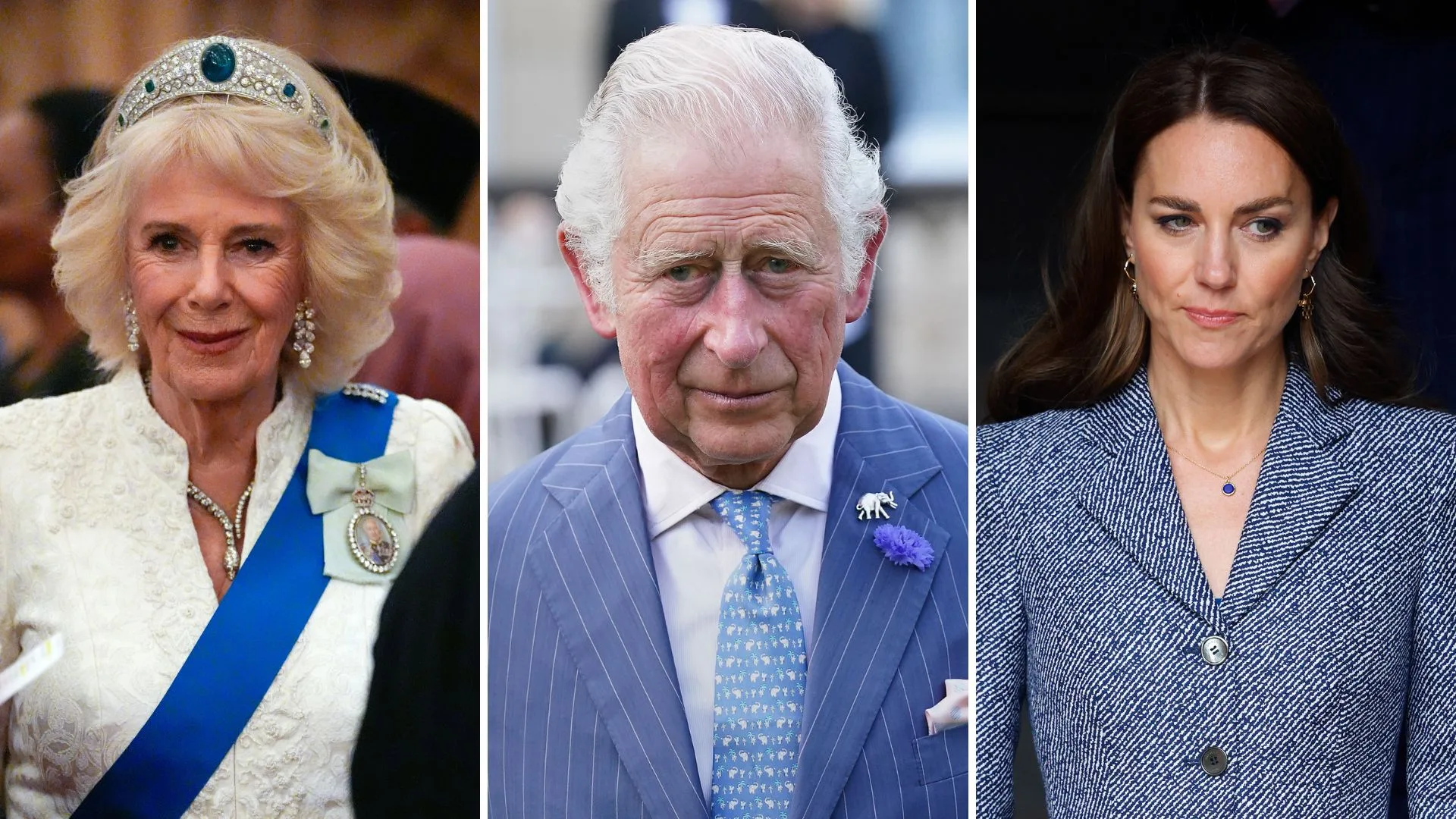
Behind the grandeur of one of the most anticipated royal weddings in recent history, a peculiar dispute allegedly unfolded concerning the name of the bride-to-be. A new royal biography asserts that King Charles and Queen Camilla, then Prince of Wales and Duchess of Cornwall, requested that Catherine Middleton alter the spelling of her name shortly before her marriage to Prince William in April 2011. The allegation comes from royal author Christopher Andersen in his recently released book, 'Kate! The Courage, Grace and Power of the Woman Who Will Be Queen'. Andersen claims the genesis of the request lay in the intricacies of royal monograms. Both Charles and Camilla possessed official cyphers that prominently featured interlocking 'C's beneath a crown. The introduction of a future Princess of Wales, whose given name is Catherine, would have introduced a third 'C'-emblazoned monogram into the royal fold. This, was deemed 'overkill' by the then-Prince and Duchess.
The Proposed 'Katherine' and Royal Reaction
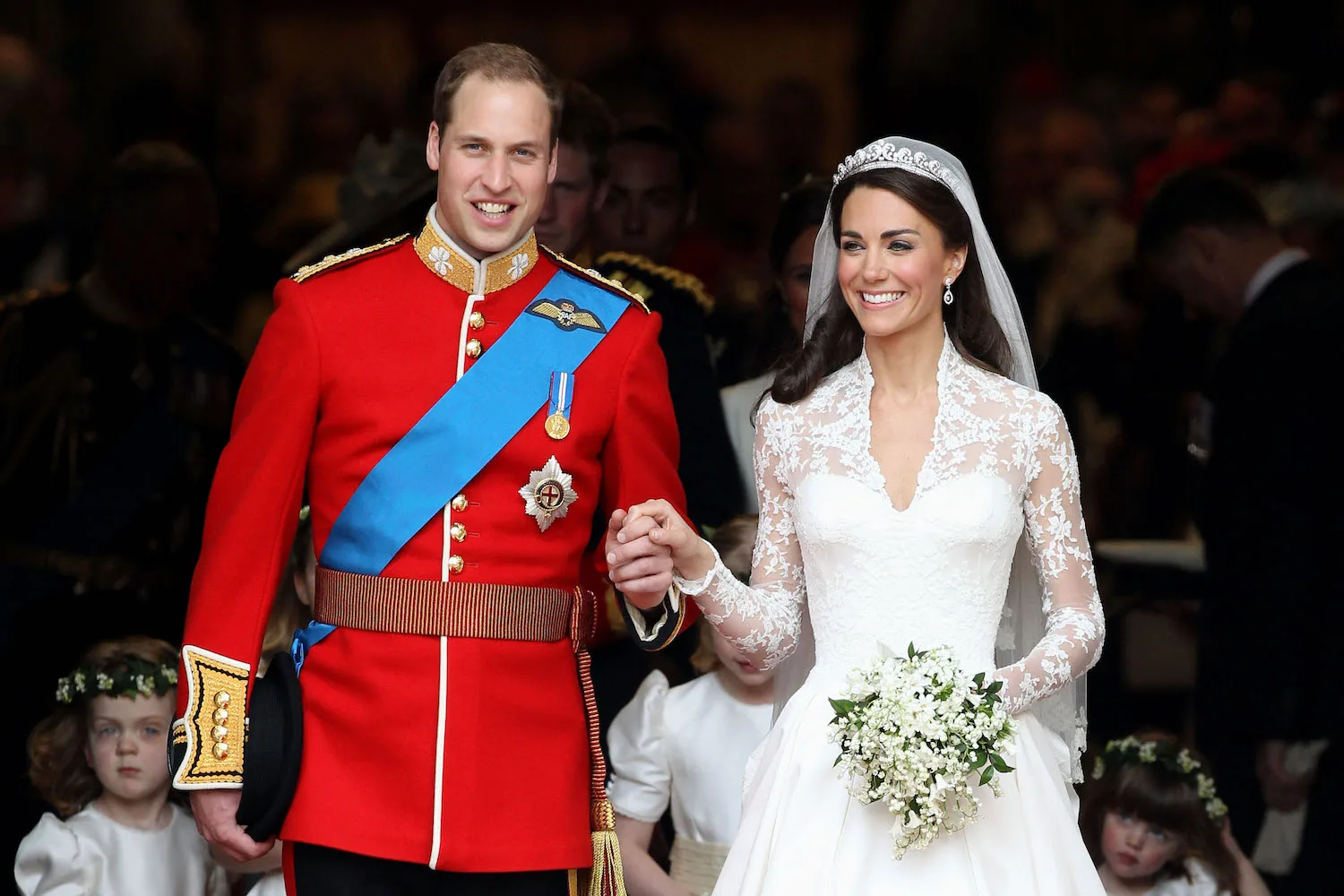
The proposed solution to this perceived monogrammatic redundancy, as detailed in Andersen's work, was for Catherine Middleton to adopt the spelling 'Katherine'. Queen Camilla reportedly suggested this alteration, noting that the bride was widely known by the less formal moniker 'Kate' anyway. However, the suggestion was met with significant resistance. Prince William, according to the biography, intervened forcefully on behalf of his then-fiancée. He is quoted as having described the request as 'insulting… not only to Kate but to her entire family.' William and Catherine were ultimately married at Westminster Abbey on April 29, 2011, in a ceremony witnessed by an estimated global audience of hundreds of millions. pre-wedding disagreement offers a glimpse into the sometimes complex dynamics within royal circles, even on the cusp of significant personal milestones.
Author's Claims and Royal Context
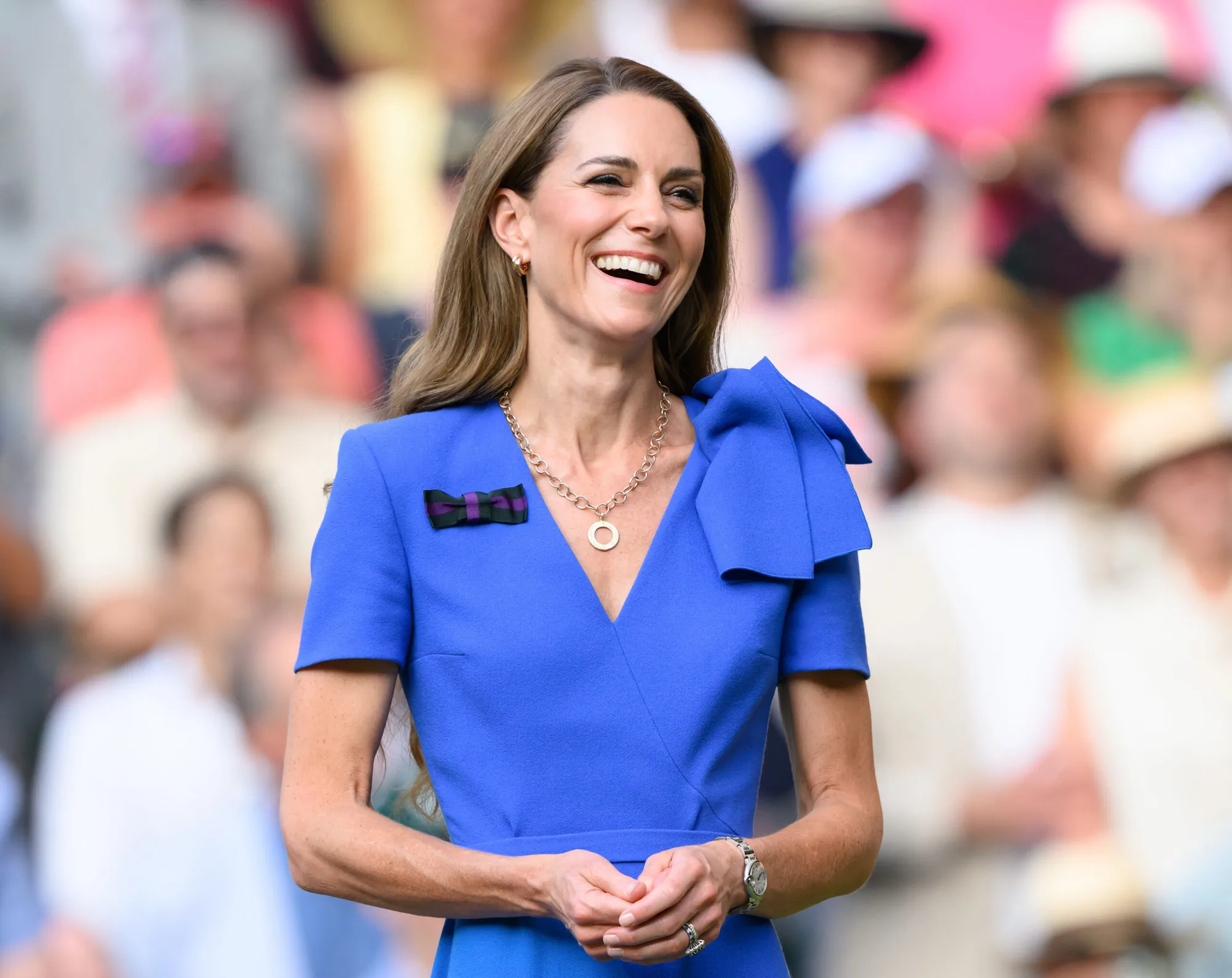
Christopher Andersen is a prolific author known for his numerous books on the British royal family. His latest work, 'Kate! The Courage, Grace and Power of the Woman Who Will Be Queen', delves into the life and public perception of the Princess of Wales. The biography's claims about the name change emerge at a time when Catherine is navigating a period of personal health challenges. She recently announced a forthcoming solo trip to Italy, scheduled for May 13 and May 14. This visit will mark her first overseas work engagement since she publicly disclosed her cancer diagnosis in March 2024, underscoring her continued commitment to royal duties amidst her ongoing treatment.
Monograms and Royal Protocol
Royal monograms, or cyphers, are deeply symbolic and represent the sovereign or members of the Royal Family. They typically consist of the initial of the monarch's name, often accompanied by a coronet or crown indicating their rank. Historically, the use and design of these monograms are subject to strict protocols. The introduction of new monograms or the modification of existing ones can carry significant weight within the institution, reflecting lineage and status. In this instance, the alleged concern over a third 'C' monogram suggests a preoccupation with maintaining a distinct visual identity for senior royals, even extending to the spelling of a future Princess's name.
The Enduring Significance of Names
The alleged demand, if true, highlights the intricate interplay between personal identity and institutional expectations within the monarchy. While the world sees Catherine Middleton as a distinct public figure, the royal institution operates under a framework where names and symbols carry historical and hierarchical meaning. reaction underscores the personal impact such institutional demands can have, framing the issue not merely as a matter of protocol but as a perceived slight against his fiancée and her family. The incident, as recounted, suggests a tension between the modernizing influence of individuals like Catherine and the enduring traditions of the Crown. As the Princess of Wales continues her public duties, the narrative surrounding this alleged pre-wedding request adds another layer to the public's understanding of the pressures and protocols faced by senior royals.
The bottom line
- A new biography by Christopher Andersen claims Charles and Camilla asked Kate Middleton to change her name's spelling to 'Katherine' before her 2011 wedding.
- The alleged reason was to avoid a third royal monogram featuring the letter 'C', which they considered 'overkill'.
- Prince William reportedly viewed the request as 'insulting' to Kate and her family.
- The incident is detailed in Andersen's book, 'Kate! The Courage, Grace and Power of the Woman Who Will Be Queen'.
- The Princess of Wales is preparing for her first overseas work trip since announcing her cancer diagnosis.
Albanese government set to revive negative gearing, CGT and trust taxes in budget targeting young voters

ANZ Faces $125 Million Payout After Losing Landmark Class Action Over Loan Calculator Error

Australia axes northern half of Inland Rail as cost balloons to $45 billion
