University of Queensland Press faces collapse after author exodus over Matt Chun controversy
At least 17 writers have severed ties with the storied publisher following its decision to destroy 5,000 copies of a children's book illustrated by Chun, who wrote a controversial essay about the Bondi terror attack.

AUSTRALIA —
Key facts
- UQP received a warning email from poet Omar Sakr on 28 February 2025 about potential collapse.
- At least 17 authors have ended contracts or vowed not to work with UQP again.
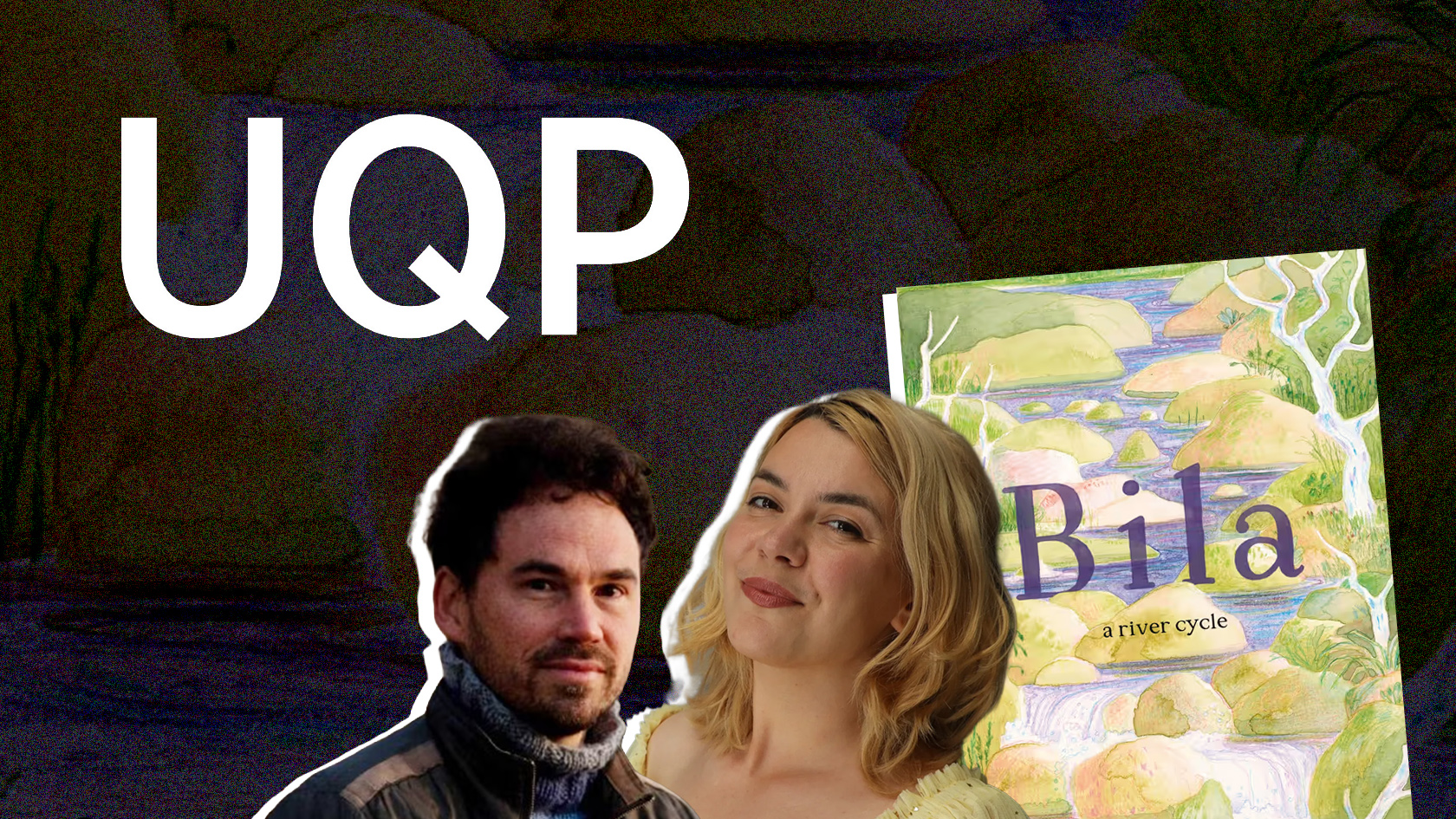
- UQP destroyed 5,000 copies of 'Bila: A River Cycle' by Jazz Money, illustrated by Matt Chun.
- The cancellation followed Chun's essay 'We Don't Mourn Fascists' about the Bondi Beach attack that killed 15 people.
- UQP's decision was based on a breach of the university's adopted definition of antisemitism.
- UQP had previously paused printing of Sakr's book 'The Nightmare Sequence' for a hate speech review.
- 55 UQP authors signed an open letter in solidarity with Randa Abdel-Fattah in January 2025.
A publisher under siege
The University of Queensland Press, one of Australia's most celebrated literary houses, is teetering on the brink of collapse after a cascade of events triggered by responses to the Israel-Gaza war. At least 17 authors have terminated their contracts or pledged not to work with the publisher again, following its decision last week to cancel a children's book by Indigenous poet Jazz Money over comments by its illustrator, Matt Chun. Poet Omar Sakr had warned UQP director Madonna Duffy in an email on 28 February that the publisher risked the same fate as festivals that collapsed after mass author walkouts. "I assure you the same thing is possible for a publisher," Sakr wrote, "and it would be heartbreaking if it were to happen to UQP, one of the very few decent publishing houses in the country."
The essay that sparked the crisis
A fortnight after a terrorist attack at Bondi Beach killed 15 people, including a 10-year-old girl, at a Jewish Hanukkah celebration, children's book illustrator Matt Chun published an essay titled 'We Don't Mourn Fascists.' In it, he argued the victims were not innocent, describing them as 'white, Jewish settlers' whose deaths he declined to grieve. He suggested the attack was not antisemitic and mocked the victims' 'default innocence and virtue,' reframing them as 'complicit in the ongoing genocide of Palestinians.' Chun's essay drew immediate condemnation. The University of Queensland Press, which had commissioned Chun to illustrate Money's picture book 'Bila: A River Cycle,' announced it would destroy all 5,000 printed copies of the book, citing a breach of the university's adopted definition of antisemitism. The decision had nothing to do with the book's contents or its Indigenous author, but the fallout has been severe.
A history of tensions over Gaza
Sakr's discontent with UQP predates the Chun controversy. In January 2025, he was among 55 UQP authors who signed an open letter in solidarity with Palestinian-Australian author Randa Abdel-Fattah. The letter alleged that the 'Zionist lobby and its allies' had mounted a campaign to prevent UQP from publishing her novel 'Discipline.' University of Queensland vice-chancellor Professor Deborah Terry was quoted as committing to a 'review' of Abdel-Fattah's book deal, a move the signatories called 'incredibly disheartening and concerning.' The review ultimately found no impediment to publication, but it triggered a separate review into UQP's governance. Then, in February 2025, the publisher paused printing of Sakr's own book, 'The Nightmare Sequence,' weeks before its release, to have it reviewed by an 'academic expert in hate speech.' The collection, a collaboration with visual artist Safdar Ahmed, is described as bearing witness to the genocide in Gaza. The review cleared the poems but raised concerns about a reference to Israel as a 'Zionist entity' in the introduction by Palestinian-American poet George Abraham, and an illustration depicting former US president Joe Biden as a monster with a tentacle-like appendage.
The cost of a social contract
The cancellation of 'Bila: A River Cycle' has reignited debates about free speech and censorship. Critics argue that UQP's decision amounts to silencing a dissenting voice. But supporters contend that free speech is not an absolute right; it is a social contract. As one observer noted, 'You are free to speak but others are equally free to decide whether they wish to platform you.' UQP, which has been named the Australian Book Industry Awards' small publisher of the year for four of the past five years, now faces an existential threat. The loss of at least 17 authors from its stable—including award-winning poets and novelists—could cripple its ability to publish new works. The publisher's sandstone facade now masks a roiling turmoil that threatens to bring down one of the country's most respected literary institutions.
What comes next for UQP
The University of Queensland has not yet announced any further governance reviews or changes in leadership. The author boycott shows no signs of abating, and the financial impact of destroying 5,000 books—combined with lost contracts—could prove insurmountable. For now, UQP's future hangs in the balance, a cautionary tale of how quickly a publisher's fortunes can turn when cultural and political fault lines intersect. Omar Sakr's warning may yet prove prophetic: entire festivals have collapsed when authors walked out en masse, and the same could happen to a publisher. The question now is whether UQP can rebuild trust with its authors and the broader literary community, or whether it will become another casualty of the polarising debates that have engulfed the publishing world.
The bottom line
- UQP's decision to cancel a children's book over its illustrator's controversial essay has triggered an author boycott that threatens the publisher's survival.
- At least 17 authors have severed ties with UQP, following months of tensions over the publisher's handling of works related to the Israel-Gaza war.
- The controversy began with Matt Chun's essay 'We Don't Mourn Fascists,' which argued that victims of the Bondi terror attack were not innocent.
- UQP destroyed 5,000 copies of 'Bila: A River Cycle' by Indigenous poet Jazz Money, citing a breach of the university's definition of antisemitism.
- The publisher had previously paused printing of Omar Sakr's book for a hate speech review, further eroding author trust.
- The crisis highlights the precarious position of university presses in Australia, caught between commercial imperatives and cultural sensitivities.

Richmond snaps 12-game losing streak with 10-point win over West Coast in Optus Stadium thriller

76ers Force Game 7 Against Celtics After 106-93 Blowout Win
Prince and Princess of Wales Introduce Puppy Otto on Instagram