New York Times Connections Puzzle Challenges Wordplay Acumen
A daily word game from The Times demands lateral thinking and attention to phonetic nuances.

AUSTRALIA —
Key facts
- The New York Times Connections puzzle groups words into four categories.
- Categories range in difficulty from green (easiest) to purple (most difficult).
- Players can make up to four mistakes before the game ends.
- The puzzle is available daily on the NYT Games site and app.
- Hints and answers are often sought by players to aid completion.
- Recent puzzles have featured categories like 'things that can run' and 'NBA MVPs'.
The Daily Word Challenge
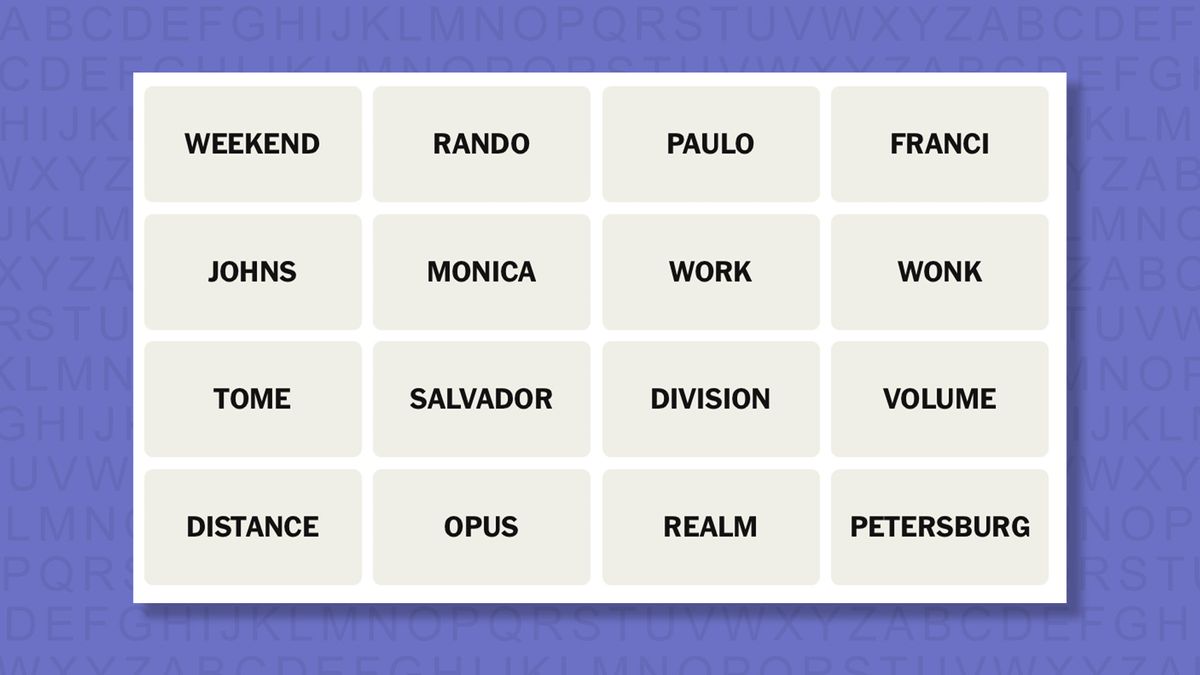
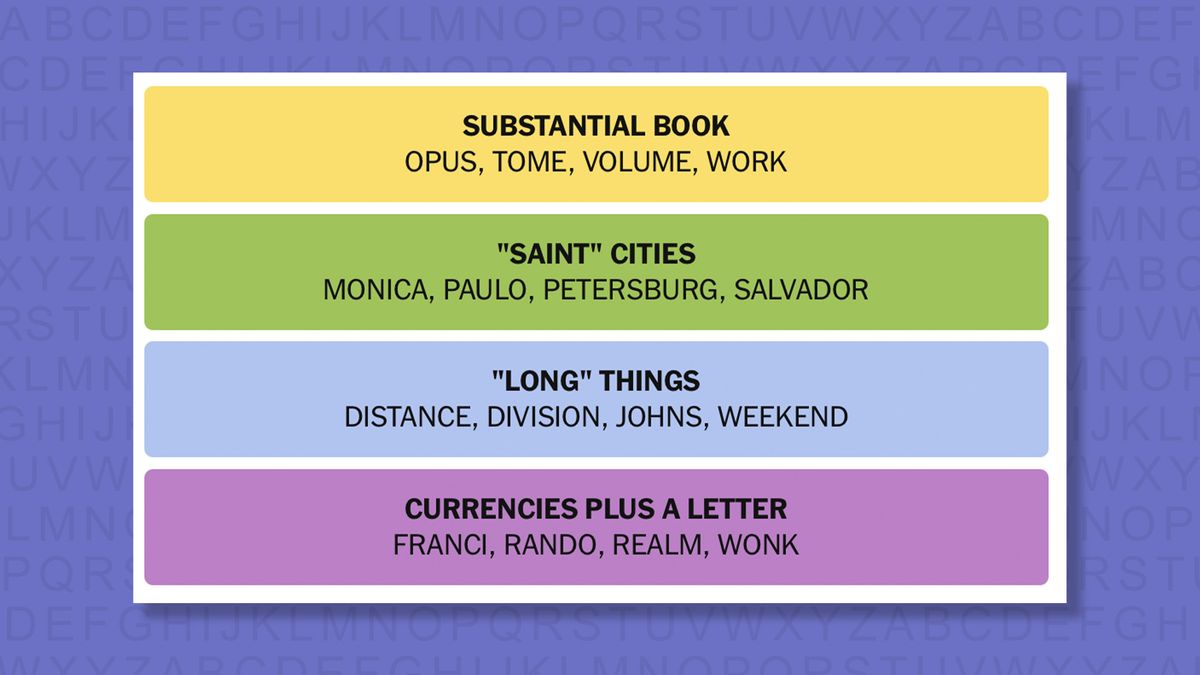
The New York Times' popular word game, Connections, presents a daily challenge that tests players' ability to group words into four distinct categories. This engaging puzzle, available on the NYT Games site and mobile app, requires a blend of logic, wordplay, and an understanding of modern vernacular to solve. Each day, a new set of sixteen words appears, and players must identify the four common threads that link them. The difficulty of these categories is color-coded, with green being the most straightforward, followed by yellow, blue, and the notoriously tricky purple group. This tiered system allows players to approach the puzzle with varying levels of confidence and strategy. While the game offers a generous allowance of up to four mistakes, the potential for misinterpretation is high. The Times has incorporated elements that can trip up even seasoned players, including homophones, words with multiple meanings, and phrases that require a deeper understanding of their components.
Navigating the Categories
The game's design encourages a strategic approach, often beginning with the easier yellow or green groups. However, a misstep in identifying a category can lead to a cascade of errors, as demonstrated by one player's experience of mistaking "SAINT" cities for "St. John's" in London and later misinterpreting slang terms. Recent puzzles have showcased the breadth of themes explored. One notable set included categories such as "things that can run," encompassing words like "candidate," "faucet," "mascara," and "nose." Another puzzle focused on "NBA MVPs," featuring surnames like "Bird," "Curry," "James," and "Jordan." The purple category, often the most perplexing, has recently featured wordplay requiring players to identify phrases where the second word contains the first, or words that sound like popular dog breeds, demanding phonetic rather than semantic association.
The Art of the Hint
For those seeking assistance, a robust ecosystem of hints and answers has emerged. Websites dedicated to NYT Games offer spoiler-free clues, detailed category names, and full solutions, often updated shortly after midnight Eastern Time. These resources typically provide hints in stages, allowing players to gradually uncover information. Players might start with a general clue for a color group, such as a hint about crossing a river without a bridge for the yellow category, or identifying palindromic fragments for the blue group. More specific help can be obtained by revealing category names or individual words. For instance, a hint for the purple group might suggest saying words aloud to identify homophones of dog breeds, such as "Ciao" for chow, "Palm" for pom, "Peek" for Peke, and "Pitt" for pit.
Behind the Puzzle's Design
The complexity of Connections lies in its ability to disguise simple connections with common words. The puzzle designers leverage semantic overlap, where words might initially seem to fit multiple categories. For example, surnames like "Cross" and "Wade" could be mistaken for religious or metaphorical terms rather than their intended grouping related to river movement. The palindrome category, featuring words like "Able," "Was," "Saw," and "Elba," presents a unique challenge. Solvers must recognize these words as parts of the famous sentence "Able was I ere I saw Elba," a task that requires recalling or deducing the full phrase. This intricate design ensures that each puzzle offers a fresh intellectual exercise, pushing players to think beyond surface-level definitions and explore phonetic and structural word associations.
Player Engagement and Progress
The New York Times has also introduced features to enhance player engagement, including a "Connections Bot" that provides a numeric score and analyzes performance after a game. Registered Times Games users can track their progress, including completion rates, perfect scores, and win streaks. This gamification element appeals to players who enjoy tracking statistics and striving for improvement, mirroring the engagement seen with other popular NYT games like Wordle. The ability to monitor progress adds a layer of competitive and personal achievement to the daily puzzle. While the core game remains free to play, the integration of these tracking features within the Times Games section encourages deeper interaction with the platform.
The Evolving Landscape of Word Games
Connections is part of a broader trend of popular word and puzzle games offered by The New York Times, which have seen a significant surge in popularity. Games like Wordle, Strands, and Quordle, each with its unique mechanics, contribute to a vibrant digital gaming community. The success of these games highlights a growing appetite for accessible yet challenging mental diversions in the digital age. They offer a daily ritual for many, providing a sense of accomplishment and a brief escape into structured problem-solving. As the digital landscape continues to evolve, The Times' commitment to developing and refining these word games ensures a consistent offering for a dedicated and expanding player base seeking intellectual stimulation.
The bottom line
- NYT Connections challenges players to find four groups of four words daily.
- Category difficulty is indicated by color: green, yellow, blue, and purple.
- The game allows up to four mistakes before ending.
- Hints and full answers are widely available online to assist players.
- Puzzles often incorporate wordplay, homophones, and palindromes.
- Player progress and scores can be tracked within the NYT Games section.


Sydney Hit by Disruptive Thunderstorms and High Winds

NYT Connections Puzzle #1,059 Stumps Players With All-Symbol Grid

Richard Lewer Wins 2026 Archibald Prize for Portrait of Iluwanti Ken
