Cavaliers' Second-Half Surge in Game 5 Raises Questions of Sustainability as Raptors Battle Injuries
Cleveland's 125-120 victory exposed both a potential blueprint for success and the fragility of a Toronto team missing key All-Stars.

AUSTRALIA —
Key facts
- Cleveland Cavaliers lead series 3-2 after a 125-120 win in Game 5.
- Toronto Raptors All-Star Scottie Barnes suffered a quadriceps injury and eye poke in the first half.
- Brandon Ingram missed the second half due to right heel inflammation.
- Sandro Mamukelashvili appeared to tweak his knee and did not play the fourth quarter.
- The Raptors missed their first 12 shots of the fourth quarter.
- RJ Barrett leads Toronto in playoff scoring, averaging 24.4 points per game.
- Immanuel Quickley has been unavailable for the series with a strained right hamstring.
A Series Defined by Intermittent Brilliance and Persistent Doubt
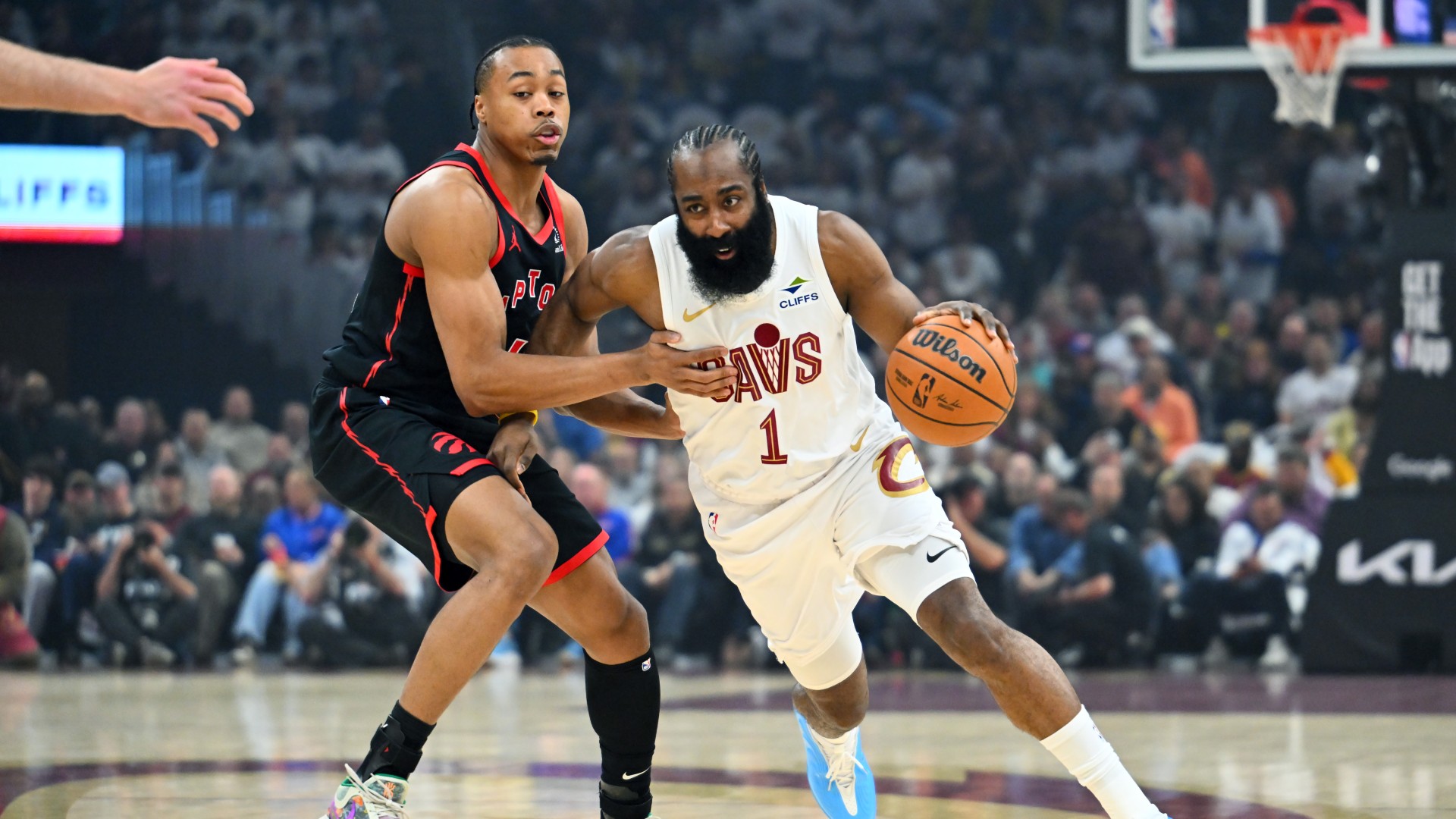
The Cleveland Cavaliers hold a 3-2 series lead over the Toronto Raptors after a 125-120 victory in Game 5, yet the win has done little to silence questions about their legitimacy as a contender. Cleveland's success has often felt more attributable to Toronto's mistakes and limitations than to the Cavaliers imposing their own identity over sustained stretches. The second half of Game 5 offered the clearest glimpse of Cleveland playing what they consider 'their brand of basketball,' but that performance came against a Raptors team missing Brandon Ingram and relying on a hobbled Scottie Barnes.
Injury Crisis Threatens Toronto's Season
Toronto's hopes of staving off elimination hinge on the recovery of two All-Stars. Scottie Barnes was kneed in the quadriceps by Thomas Bryant during the first half and also poked in the eye. He finished with 17 points and 11 assists but acknowledged the injury's impact: 'Obviously, it had some effect. I couldn't play with that same pace that I was trying to play with.' Brandon Ingram, already dealing with heel inflammation for weeks, was ruled out for the second half after playing just 11 minutes, going 0-for-2 from the field with one point. Reserve center Sandro Mamukelashvili also exited after appearing to tweak his knee on a 3-point attempt at the end of the third quarter, leaving the Raptors dangerously thin.
Cleveland's Second-Half Adjustment: A Blueprint or a Mirage?
Down 12 points at halftime, the Cavaliers transformed their offense in the second half, leaning heavily on interior play and ball movement. Dennis Schröder took over the fourth quarter while Donovan Mitchell played off the ball, and Evan Mobley confidently stepped into three-pointers without hesitation. This fluidity, absent for much of the series, suggests a level of offensive trust and adaptability Cleveland has not consistently shown in previous playoff runs. Yet the context is critical: Toronto was without Ingram and had a limited Barnes, raising the possibility that the breakout was a one-game solution against a depleted opponent rather than a sustainable evolution.
The Numbers Behind the Narrative
Barnes is averaging 24 points and eight assists in the series, while RJ Barrett leads Toronto with 24.4 points per game. Ingram, who averaged 21.5 points during the regular season while playing a career-high 77 games, has managed only 12 points per game in the playoffs. His absence in the second half of Game 5 was acutely felt as the Raptors missed their first 12 shots of the fourth quarter. For Cleveland, the challenge is that their postseason lineup data comes from tiny sample sizes, forcing them to adjust game by game—and quarter by quarter—without a reliable regular-season foundation.
Eastern Conference Chaos Offers a Window
The Cavaliers' path is eased by the broader disarray in the Eastern Conference first round. Detroit has pushed Orlando to the brink, while Boston and Philadelphia are headed to Game 7. This parity means Cleveland still has a viable playoff path if they can establish consistency. However, the team's lack of continuity during the regular season—due to injuries and lineup instability—has forced them to troubleshoot in real time. The second half of Game 5 may represent a breakthrough, but it could also be an anomaly born of opponent misfortune.
Game 6: A Test of Identity
Game 6 carries immense weight, not because of the fear of a potential Game 7 against Toronto, but because of what another loss would signify: a team that still lacks a clear understanding of itself and cannot consistently execute its desired identity. For Toronto, the return of Barnes and Ingram is uncertain. Barnes is hopeful his quadriceps can heal in time, while Ingram's heel inflammation has persisted for weeks. The Raptors also remain without point guard Immanuel Quickley, who has been sidelined with a strained right hamstring throughout the series. The outcome will reveal whether Cleveland's second-half surge was a genuine evolution or a fleeting moment against a broken opponent.
The bottom line
- Cleveland's Game 5 win was fueled by a second-half offensive adjustment that may or may not be replicable against a healthy Raptors team.
- Toronto's injury woes—Barnes (quadriceps), Ingram (heel), Mamukelashvili (knee), and Quickley (hamstring)—severely compromised their depth and execution.
- The Cavaliers have struggled with lineup continuity all season, forcing them to experiment on the fly in the postseason.
- The Eastern Conference's first-round parity gives Cleveland a realistic path forward if they can find consistent play.
- Game 6 will be a referendum on whether Cleveland has truly discovered a sustainable identity or merely exploited a depleted opponent.


Bulldogs’ Bontempelli injury scare after 12-point loss to Fremantle

Hayden Young's three goals and Shai Bolton's dagger seal Fremantle's 12-point comeback win over Western Bulldogs
