She loved a farmer who confessed to murder. Then the police failed her.
A new Netflix docuseries reveals how a pathologist's courage was met with neglect and contempt by the very authorities she helped.

AUSTRALIA —
Key facts
- Dr Caroline Muirhead met Alexander 'Sandy' McKellar on Tinder in autumn 2020.
- McKellar confessed to a hit-and-run killing cyclist Tony Parsons in September 2017.
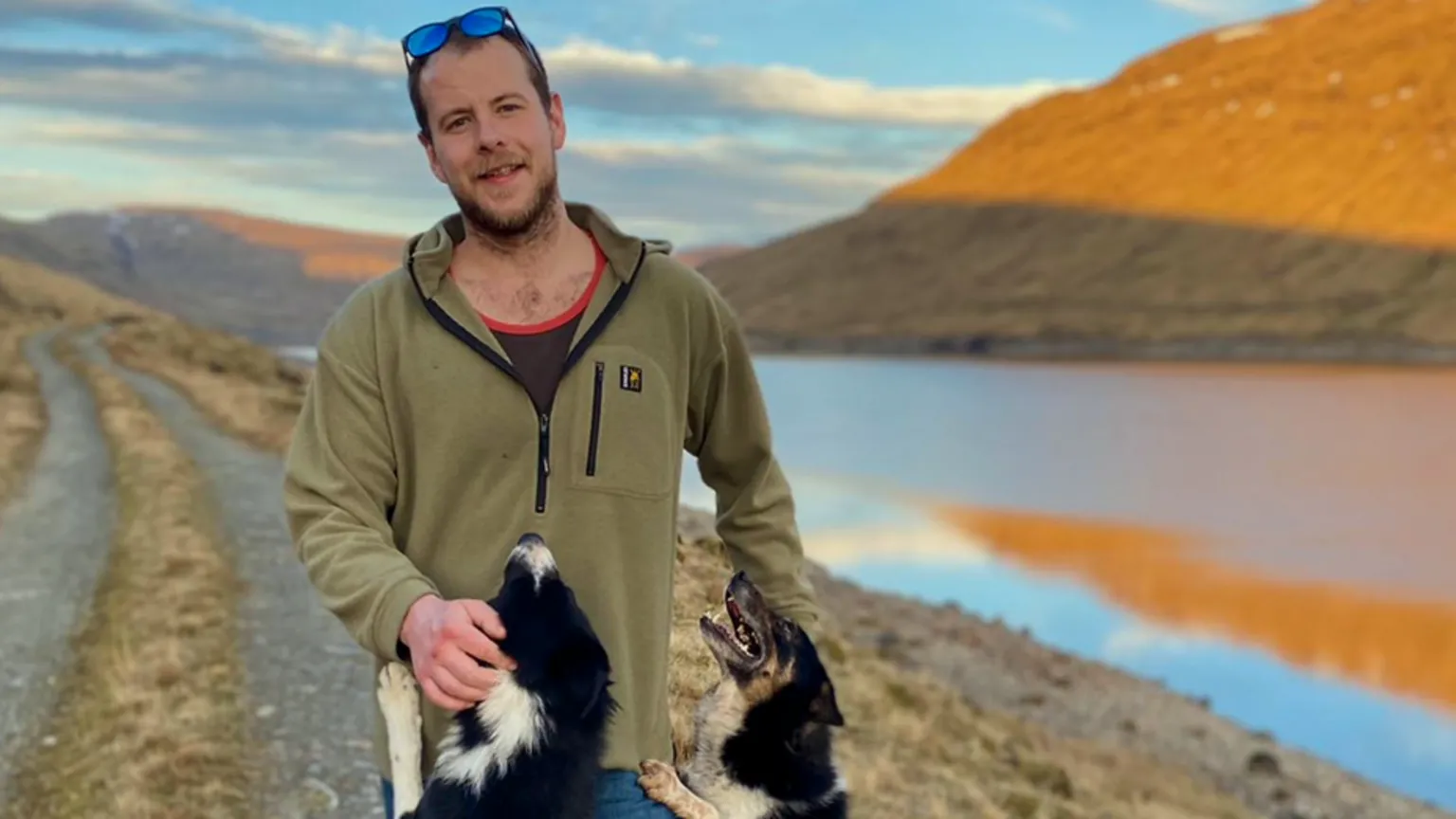
- McKellar and his twin brother Robert buried Parsons' body on the Auch Estate.
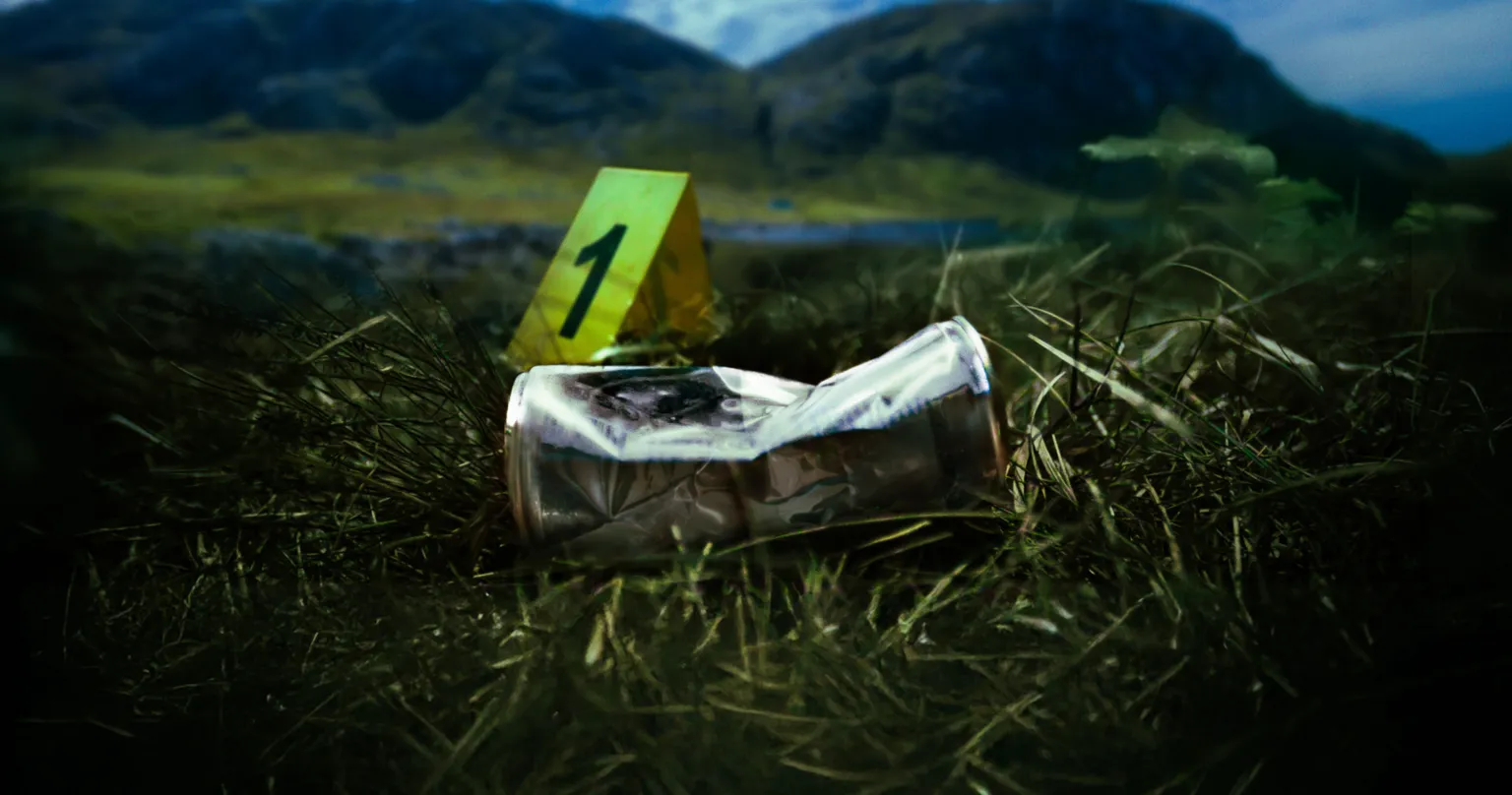
- Muirhead marked the grave with a Red Bull can, leading police to recover the body in January 2021.
- David Green, head of homicide in Scotland 2019-23, defended not protecting Muirhead.
- Defence counsel Brian McConnachie KC criticised Muirhead for breaking under pressure.
- Muirhead's identity as a key witness was exposed by a detective during the arrest.
A Tinder romance that turned into a nightmare
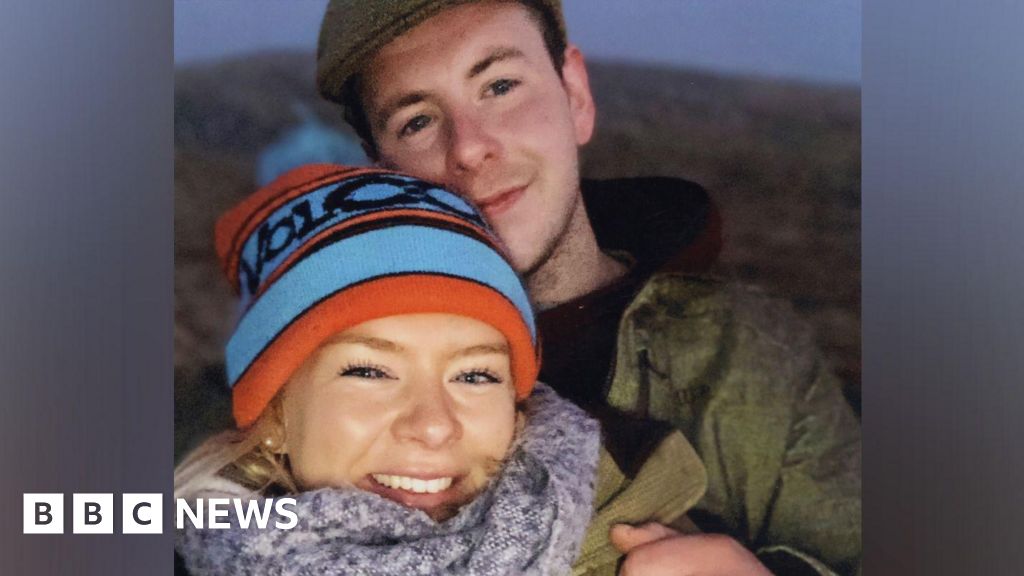
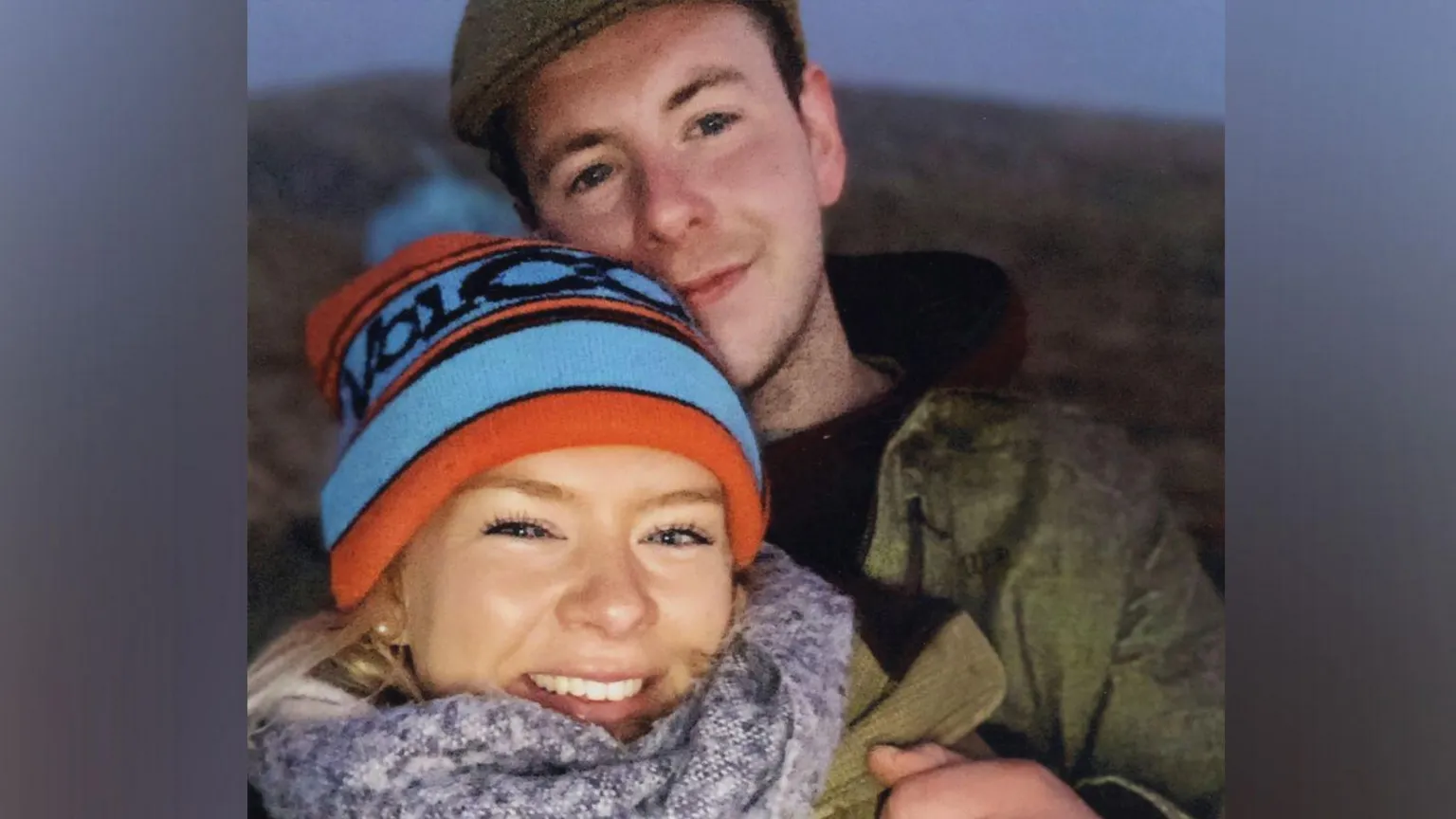
In the autumn of 2020, Dr Caroline Muirhead, a 29-year-old pathologist, matched with a Scottish farmer named Alexander 'Sandy' McKellar on Tinder. Fresh from a difficult break-up, she found him a sanctuary: affectionate, open, and loving. Within weeks, he proposed, and she accepted. Her parents and friends were muted in their enthusiasm, but Muirhead later recalled thinking, 'What’s the worst that could happen?' That question would soon be answered in the most harrowing way. Shortly after the engagement, Muirhead asked McKellar if anything in his past could affect their future. He confessed that three years earlier, in September 2017, he had been driving under the influence of alcohol when he struck and killed a 63-year-old charity cyclist, Tony Parsons. McKellar and his twin brother Robert had fled the scene, hidden the car, and returned to bury Parsons' body in a pit used for animal carcasses on the Auch Estate in Argyll and Bute, Scotland.
The moral dilemma: love versus justice
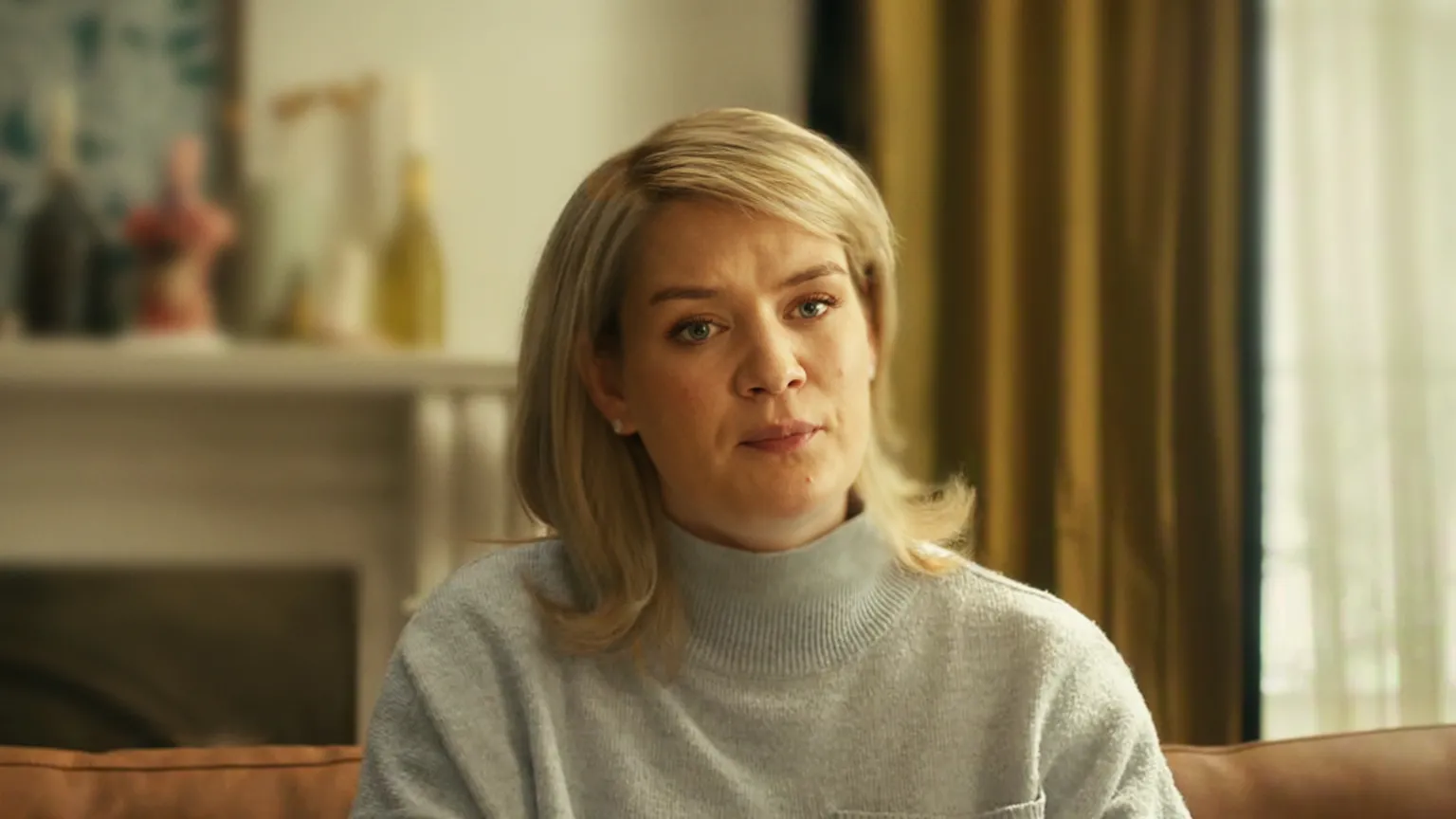
Muirhead was torn between loyalty to her fiancé and the imperative to do the right thing. She went to the police, who asked her to find out where the body was buried, as the estate was too vast to search without a precise location. She complied, marking the grave with a Red Bull can. The police promised to keep her identity as a key witness secret. But to maintain her cover, Muirhead had to continue the relationship with McKellar, living in terror that he would discover her betrayal. She began drinking heavily and using drugs, eventually nearing a breakdown. Yet she kept funnelling information to the police, including the revelation that Parsons had not died instantly: the twins had left him injured by the roadside, gone to get tools and a change of clothes, and returned to find him dead. Then they moved and buried him.
Police neglect and a witness left unprotected
Despite Muirhead's extraordinary cooperation, the police failed to protect her. She begged for help, knowing she was becoming dependent on alcohol and drugs and losing her grip on reality. Her requests for extra security for herself and her parents were ignored. When officers finally arrested the McKellar twins in December 2020, a detective, unaware that Muirhead was still living with Sandy, shouted in front of him, 'What the fuck, Caroline? You’re our witness!' — blowing her cover. David Green, head of homicide and major crime in Scotland from 2019 to 2023, defended the lack of protection. 'I would have run a mile,' he said of Muirhead's decision to stay with McKellar. He noted that the relationship had not been lengthy and that she was 'a highly intelligent, fully qualified doctor.' The implication was that she should have known better.
Contempt from the legal system
The disdain for Muirhead extended to the courtroom. Defence counsel Brian McConnachie KC argued that her failure to 'deal with things in a manner in which people would expect her to' undermined any sympathy he might feel. The series producer, Clare Beavis, noted that the case had 'had a big impact in Scotland' but that the 'missing part' of the reporting was Muirhead's own testimony. Director Josh Allott said he 'couldn't believe it was real' when he first heard the story, comparing it to a drama plot. The three-part Netflix series, 'Should I Marry a Murderer?', aims to fill that gap, focusing on the emotional and moral tension that Muirhead endured.
A stark portrait of systemic failure
Muirhead's ordeal is a damning indictment of how the justice system treats victims of intimate partner violence who cooperate with authorities. The police promised secrecy but failed to deliver; they asked her to gather evidence but offered no protection; and when she faltered under the strain, they blamed her. The series forces viewers to confront an uncomfortable truth: that bravery and intelligence are no shield against institutional neglect. As one commentator put it, the true crime genre might better be renamed 'The catalogue of ways misogynists and the patriarchy have set up this world to hurt, humiliate and destroy us.' For Muirhead, the question 'Should I marry a murderer?' was never the real dilemma. The real question was: Should a system that failed her so completely expect her trust?
The bottom line
- Dr Caroline Muirhead's courage in helping convict her fiancé was met with police neglect and legal contempt.
- The police failed to protect Muirhead despite her cooperation, exposing her identity and denying security.
- David Green defended the lack of protection, citing Muirhead's intelligence and the short duration of the relationship.
- Defence counsel Brian McConnachie KC criticised Muirhead for breaking under pressure, showing systemic victim-blaming.
- The case highlights the failure of institutions to support women who risk their safety to aid prosecutions.
- The Netflix docuseries 'Should I Marry a Murderer?' gives voice to Muirhead's long-overlooked testimony.


Delhi Capitals End Three-Match Losing Streak with Record Chase Against Rajasthan Royals

Yahya Abdul-Mateen II's Glum Vigilante Fails to Ignite Netflix's 'Man on Fire'
