UW Women's Soccer Loses to Under-14 Boys Team, Reigniting Debate on Gender Equality in Sports
The Division I Huskies, fresh off a Big Ten Tournament title and an Elite Eight run, were defeated by a squad of boys barely in their teens, prompting fresh scrutiny of arguments for transgender inclusion.
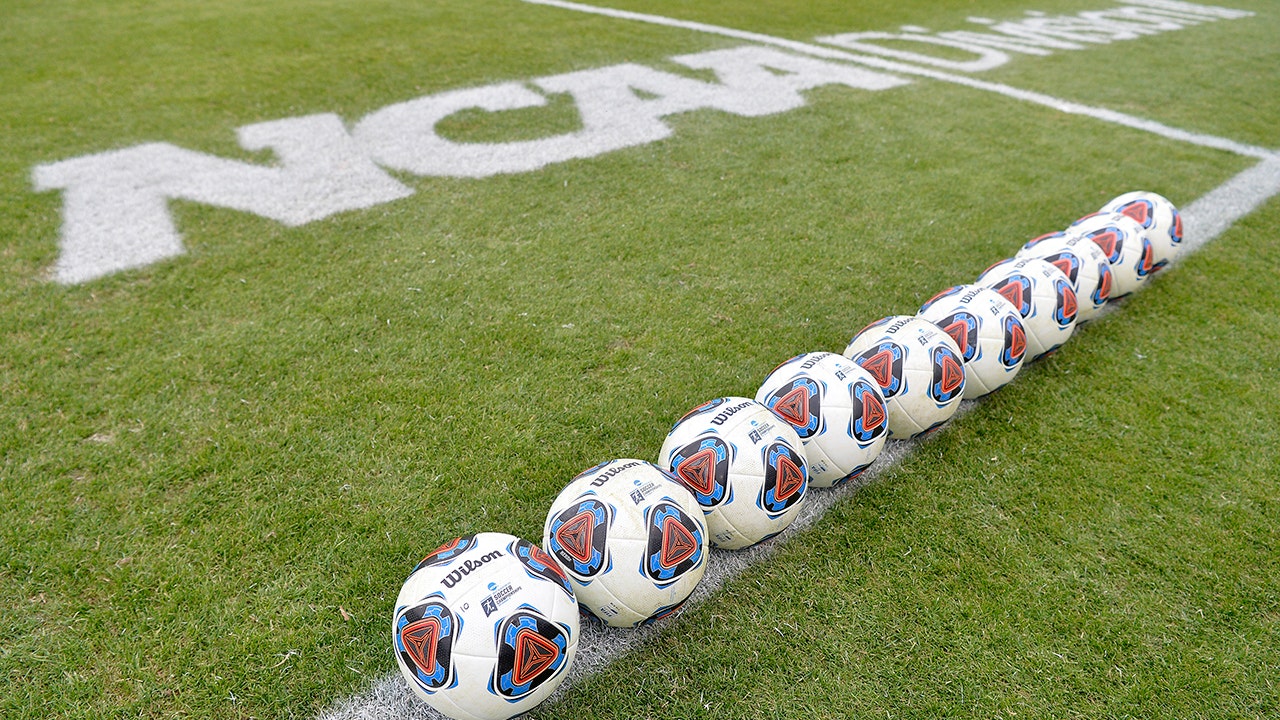
AUSTRALIA —
Key facts
- University of Washington women's soccer team lost to an under-14 boys squad.
- The Huskies are a Division I power-conference team and recent Big Ten Tournament winners.
- The team reached the Elite Eight of the NCAA tournament last season.
- The match was scheduled as a training tactic to make games against women's teams seem easier.
- Former Division I athlete Adriana McLamb commented on the fight for fairness in women's sports.
- The loss follows a pattern of similar results, including a previous more egregious incident on the pitch.
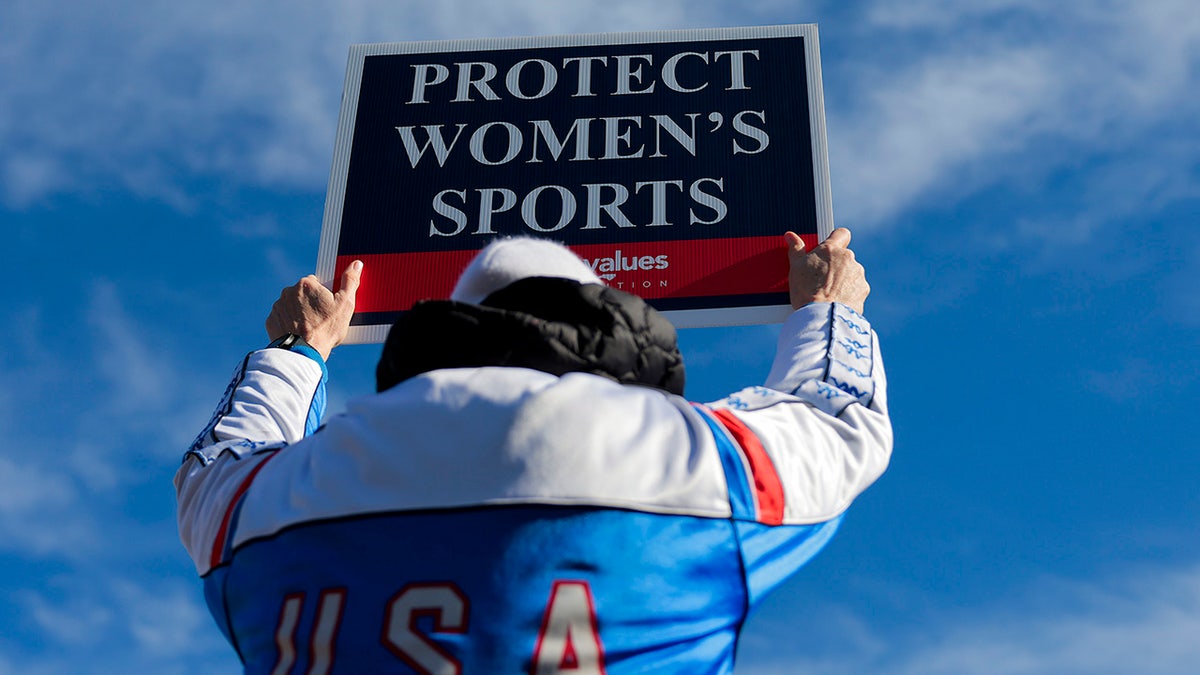
- Protests occurred outside the Supreme Court on Jan. 13, 2026, regarding transgender athletes in women's sports.
- The Supreme Court is reviewing related bans in a landmark case.
A Stunning Defeat on the Pitch
The University of Washington's women's soccer team, a Division I powerhouse that recently clinched the Big Ten Tournament and advanced to the Elite Eight, suffered a humbling loss last week — not to a collegiate rival, but to an under-14 boys team. The result has sent shockwaves through the sports world, providing fresh ammunition for critics of policies allowing transgender athletes to compete in women's sports. Former Division I athlete Adriana McLamb, speaking on the broader fight for fairness, described the outcome as another catastrophic blow to the argument for gender equality in sports. The match, intended as a training exercise, instead became a flashpoint in a contentious national debate.
The Match and Its Context
The Huskies, a team of grown college women, were expected to easily dispatch a squad of barely pubescent boys, many of whom lack even learner's permits. Instead, the under-14 boys emerged victorious, a result that McLamb characterized as a predictable outcome for those paying attention. She noted that similar, even more egregious incidents have occurred on the pitch before, suggesting a pattern that undermines claims of parity. The scheduling of the game was itself a tactical decision: practicing against men, even young boys, is meant to make games against women's teams feel easier — akin to setting a pitching machine to 100 mph when facing a pitcher who tops out at 90. The strategy backfired spectacularly, exposing the physical gap that remains.
Broader Implications for Gender Equality in Sports
The loss comes amid a landmark legal battle over transgender athletes in women's sports. On January 13, 2026, protesters gathered outside the Supreme Court in Washington, D.C., as the court reviewed related bans in a case that could reshape the landscape of competitive athletics. The UW defeat has been seized upon by opponents of transgender inclusion as evidence that biological differences create an unbridgeable gap. McLamb argued that the result highlights the absurdity of the current trajectory, calling for a renewed focus on protecting women's sports. The incident has reignited discussions about fairness, safety, and the very definition of women's competition.
A Pattern of Disparities
This is not an isolated event. McLamb referenced a previous, even more egregious incident on the pitch, though she did not provide specifics. The recurring nature of such outcomes suggests that the gap between male and female athletic performance, even at young ages, remains significant. Critics argue that no amount of training or tactical adjustment can fully compensate for physiological advantages that emerge in puberty. Supporters of transgender inclusion, however, contend that such comparisons are misleading, as they ignore the diversity of individual bodies and the role of social factors in athletic development. The debate, already polarized, shows no signs of cooling.
What Comes Next
The Supreme Court's review of transgender athlete bans is expected to set a precedent for policies nationwide. Meanwhile, the UW women's soccer team must regroup after a defeat that has become a symbol of a larger struggle. For critics, the loss is a clarion call to roll back inclusive policies; for advocates, it is a reminder of the work still needed to ensure fair competition. As the legal and cultural battles intensify, one thing is clear: the outcome of a single scrimmage between a college team and a boys' under-14 side has become a powerful narrative in the fight over the future of women's sports.
The bottom line
- The UW women's soccer team, a top Division I program, lost to an under-14 boys team, highlighting physical performance gaps.
- The match was a training tactic that backfired, providing evidence for critics of transgender inclusion in women's sports.
- The incident coincides with a Supreme Court case on transgender athlete bans, adding real-world context to the legal debate.
- Former athlete Adriana McLamb framed the loss as part of a pattern undermining gender equality arguments in sports.
- The debate over fairness in women's sports remains deeply polarized, with no resolution in sight.


Saka's First-Half Strike Puts Arsenal on Brink of Champions League Final

Carrick and Slot Face Uncertain Futures as Manchester United Edges Liverpool 3-2

Nottingham Forest stun Chelsea 3-1 to extend Blues' losing streak to six
