Late Show with Stephen Colbert Ends 33-Year Run Amid Financial and Political Crossfire
Veteran host Stephen Colbert's final episode airs May 21, sparking debate over the future of late-night TV and the reasons behind the cancellation.

AUSTRALIA —
Key facts
- The Late Show with Stephen Colbert is scheduled to air its final episode on May 21.
- The show's 33-year run is ending, with CBS citing purely financial reasons.
- David Letterman expressed disbelief at the cancellation, calling the explanation potentially disingenuous.
- Colbert had been a vocal critic of Donald Trump, including criticism of a $16 million settlement with the former president.
- Letterman predicted the late-night format may not survive more than a year or so.
- Conan O'Brien has also predicted the disappearance of late-night television as it has been known.
- Byron Allen's 'Comics Unleashed' will replace The Late Show on CBS.
A Final Curtain for a Late-Night Fixture
The familiar sign-off of "The Late Show with Stephen Colbert" is set to echo for the last time on May 21, marking the conclusion of a 33-year television era on CBS. The cancellation, announced by network executives, has sent ripples through the entertainment industry, prompting veteran hosts and observers to question the viability of the late-night format and the true motives behind the decision. While CBS has maintained that the move was "purely a financial decision against a challenging backdrop in late night," the timing and context have fueled considerable speculation. The show's end arrives after a period of heightened political commentary from Colbert, particularly his sharp critiques of Donald Trump and his administration. This backdrop has led to a debate over whether financial exigencies alone dictated the closure, or if other factors, including potential political sensitivities, played a role. The uncertainty surrounding the show's fate underscores a broader industry shift, as traditional television grapples with the ascendance of digital platforms and evolving viewer habits.
Letterman's Disbelief and a Format in Question
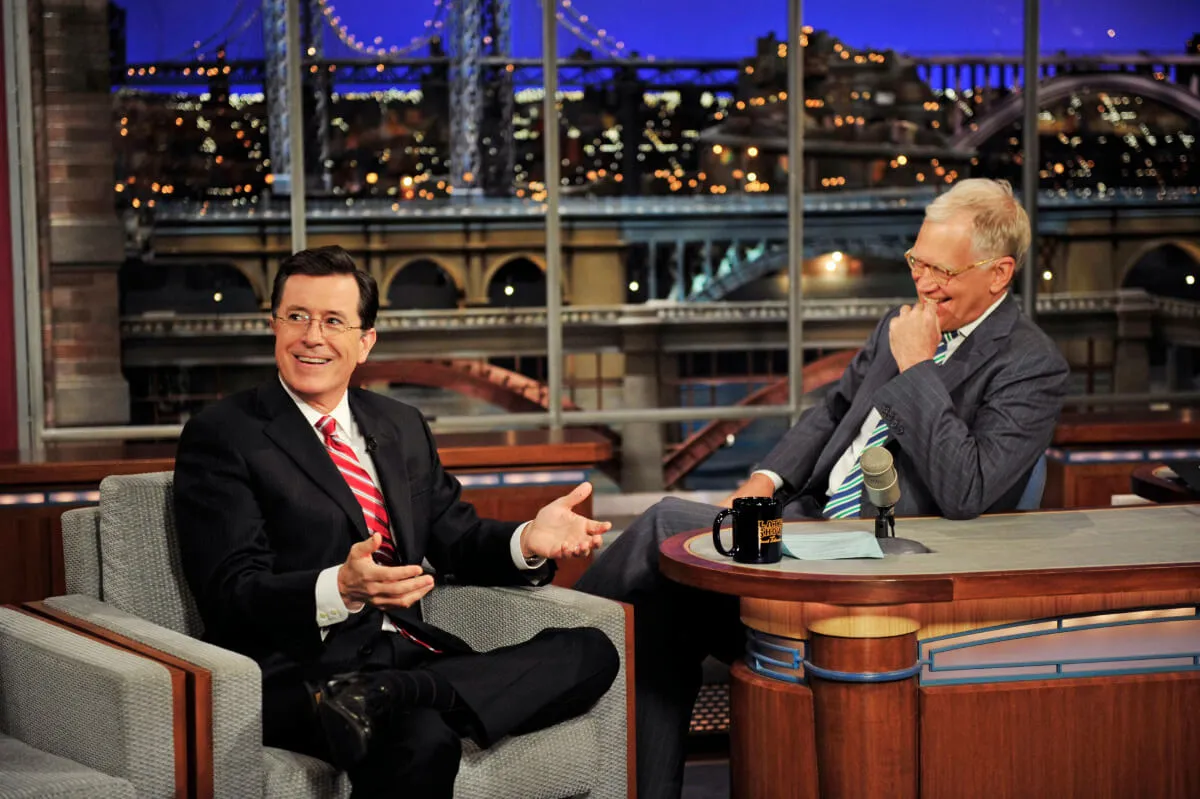
David Letterman, who helmed "The Late Show" for 22 years before handing the reins to Colbert in 2015, has voiced strong skepticism regarding the official explanation. In an interview with The New York Times, Letterman described his "disbelief" upon learning of the cancellation, suggesting that the stated financial reasons might not tell the whole story. "They're lying," Letterman declared, alluding to the possibility that the decision was influenced by concerns over Colbert's outspoken political stances. He posited that the sale of the network to Skydance Media, which required approval from the Trump administration, might have factored into the decision, implying that Colbert's critical voice could have been seen as a potential complication. Letterman's critique extends beyond the specific circumstances of Colbert's show. He issued a stark prediction about the future of the late-night television genre itself. "I would be surprised if it lasts more than a year or so," he remarked, though he conceded that the format's "easy soothing" nature might ensure its persistence in some form.
Colbert's Political Stance and Industry Pressures
Stephen Colbert, known for his sharp political satire and unwavering criticism of Donald Trump throughout his presidencies, has been a prominent voice in late-night programming. His show's cancellation follows closely on the heels of his strong condemnation of Paramount's decision to settle a $16 million lawsuit with Trump. The lawsuit stemmed from claims that CBS News had deceptively edited a "60 Minutes" interview with Kamala Harris, Trump's rival in the 2024 presidential election. Colbert had publicly labeled the settlement a "big fat bribe" on his show, highlighting his willingness to engage directly with contentious political issues. This vocal stance has inevitably led to speculation that his commentary may have contributed to the network's decision, despite official denials. Colbert himself has acknowledged the complexity of the situation, suggesting that "two things can be true." He noted that while he does not wish to debate the network's business model, which he concedes is challenged by streaming and digital platforms like YouTube, the decision to end his show came less than two years after he was offered a long-term contract extension.
A Shifting Media Landscape
The financial rationale cited by CBS is not without merit in the current media climate. Executives pointed to the "challenging backdrop in late night," a sentiment echoed by Letterman, who acknowledged that "all of television seems to have been nicked by digital communication and streaming platforms." The fragmentation of audiences and the rise of on-demand viewing have undeniably altered the economic landscape for traditional broadcast television. This broader industry shift has led other prominent figures to forecast a decline for the genre. Conan O'Brien, another long-serving late-night host, has previously predicted that "late-night television, as we have known it since around 1950, is going to disappear." However, O'Brien also noted that the "voices are not going anywhere," suggesting that the essence of late-night commentary might persist in new formats. Following Colbert's departure, CBS plans to fill the 11:30 p.m. slot with Byron Allen's "Comics Unleashed." This programming change reflects the network's strategy to adapt to evolving audience preferences and economic realities in the competitive television market.
Humanity and Respite in the Late-Night Slot
Beyond the financial figures and political considerations, David Letterman emphasized the human element of "The Late Show." He argued that both Stephen Colbert and his dedicated viewership deserved better than an abrupt cancellation. "What about the humanity for Stephen and the humanity of people who love him, and the humanity for people who still enjoyed that 11:30 respite?" Letterman questioned, highlighting the role these shows play in providing comfort and a moment of shared experience for audiences. His words underscore the cultural significance of late-night television, which has long served as a platform for comedy, commentary, and a nightly dose of levity. The end of Colbert's tenure raises questions about how this function will be fulfilled in an increasingly fractured media environment.
What Lies Ahead for Colbert and Late Night?
While Stephen Colbert's final "Late Show" airs on May 21, his future endeavors suggest a continued presence in creative storytelling. He has been tapped to co-write a new film within the "Lord of the Rings" franchise with his screenwriter son, indicating a pivot towards cinematic projects. The broader question remains: what is the long-term prognosis for the traditional late-night talk show format? Letterman's prediction of a year or so, while perhaps hyperbolic, points to genuine industry anxieties. The success of "Comics Unleashed" in replacing Colbert will offer an early indication of CBS's strategy and the audience's appetite for its chosen successor. Ultimately, the conclusion of "The Late Show with Stephen Colbert" serves as a significant marker in the ongoing evolution of television. It prompts a re-evaluation of what late-night television means today, how it is produced, and what role it will continue to play in the cultural conversation.
The bottom line
- The Late Show with Stephen Colbert concludes its 33-year run on May 21, with CBS citing financial reasons for the cancellation.
- Veteran host David Letterman expressed skepticism about the stated reasons, suggesting political factors may have played a role.
- Colbert's vocal criticism of Donald Trump, including his commentary on a $16 million settlement, has fueled speculation.
- Letterman and Conan O'Brien have both predicted a challenging future, with Letterman suggesting the late-night format may not last beyond another year.
- The cancellation occurs amid a broader industry shift driven by digital platforms and streaming services.
- Stephen Colbert is set to co-write a "Lord of the Rings" film, indicating a continued creative path beyond his late-night hosting duties.


Laval braces for chilly temperatures and evening downpour

Allen's Maiden Century Powers KKR to Dominant Victory Over Delhi Capitals

Lakers Face Historic 15.5-Point Underdog Status in Game 1 Against Thunder