Rescuers Ferry Stranded Humpback Whale Timmy Toward North Sea Amid Warnings of 'Animal Cruelty'
A month-long, privately funded mission to save a 10-metre humpback whale stranded off Germany's Baltic coast has drawn national frenzy and sharp criticism from marine experts.

AUSTRALIA —
Key facts
- The whale, nicknamed Timmy or Hope, has been stranded for over five weeks near the island of Poel.
- On Tuesday, divers guided the whale onto a flooded barge; it was towed into Danish waters by Wednesday.
- The International Whaling Commission (IWC) called the rescue 'inadvisable' on animal welfare and human safety grounds.
- Two German multimillionaires, Karin Walter-Mommert and Walter Gunz, financed the operation.
- Environment minister Till Backhaus of Mecklenburg-Vorpommern hailed the rescue as an 'experiment' that succeeded.
- The Whale and Dolphin Conservation (WDC) warned the whale has no long-term chance of survival.
- The whale has skin damage from low salinity and is believed to have fishing net still caught in its mouth.
Lede: A Whale's Desperate Journey
A 10-metre humpback whale, known to the German public as Timmy or Hope, is being towed through Danish waters toward the North Sea after more than five weeks stranded on a sandbank off Germany's Baltic coast. The operation, funded by two multimillionaires and overseen by state environment minister Till Backhaus, has ignited a national frenzy — and a fierce debate over the ethics of intervening in a wild animal's death.
The Rescue Operation Unfolds
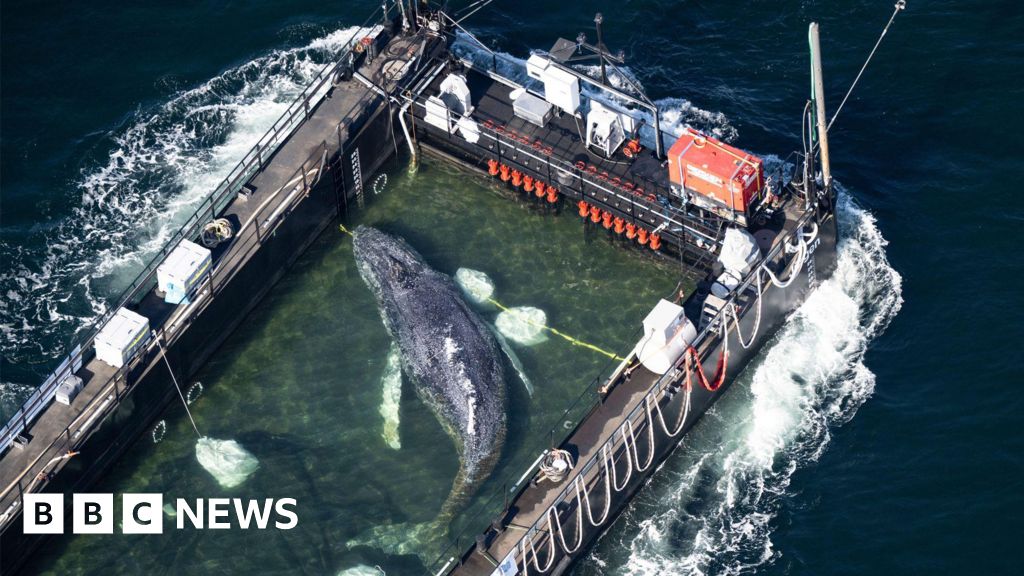
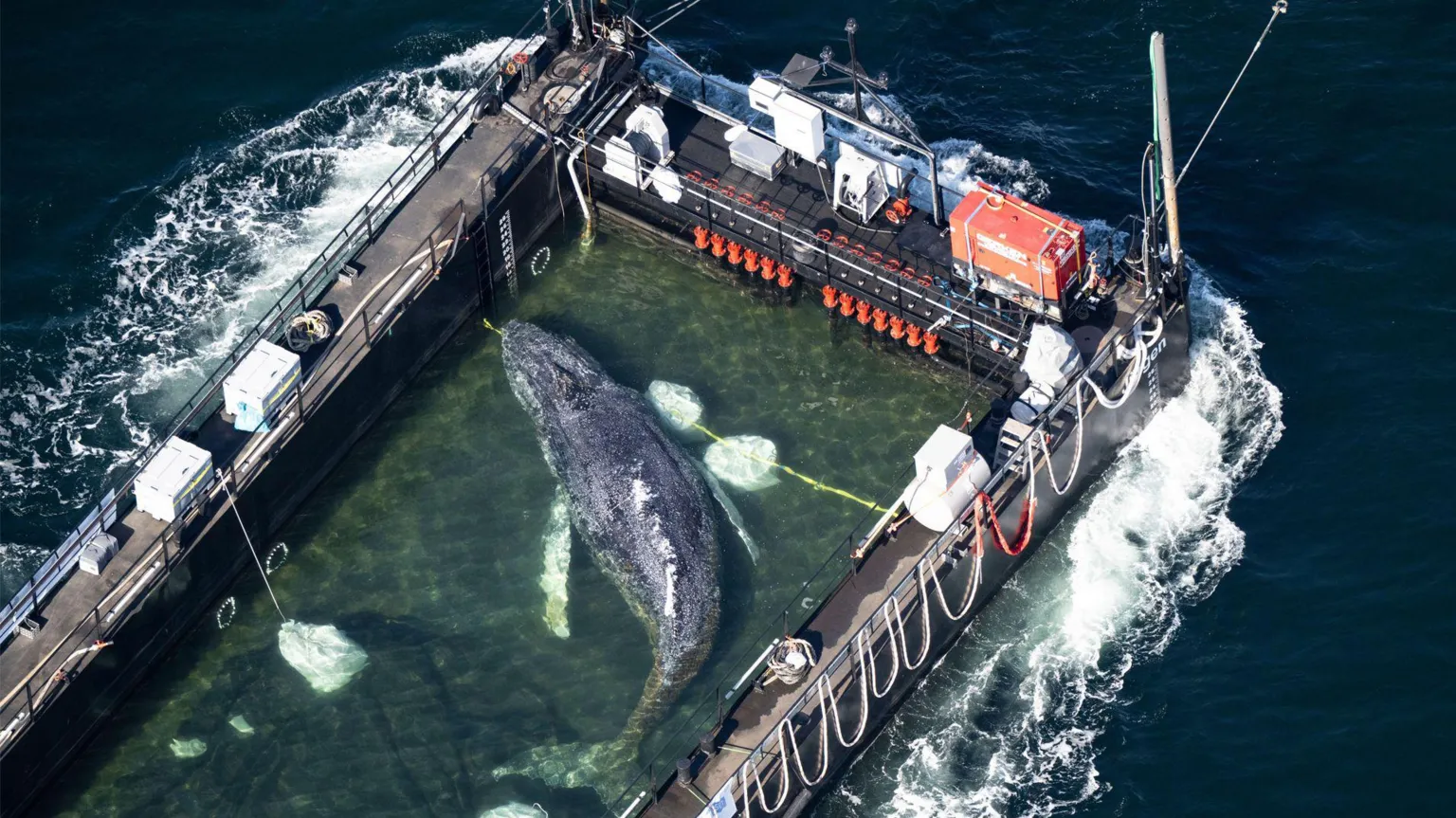
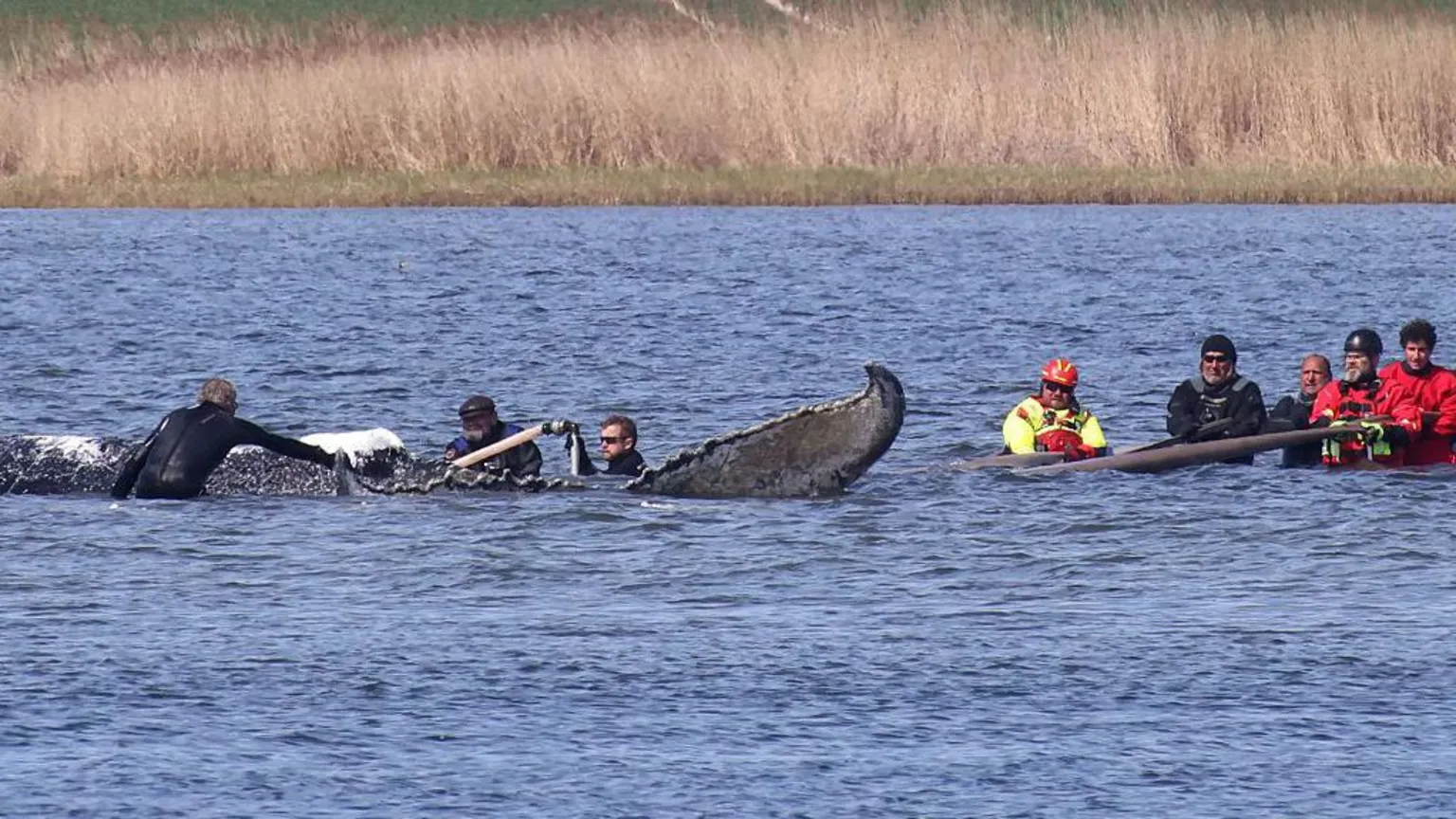
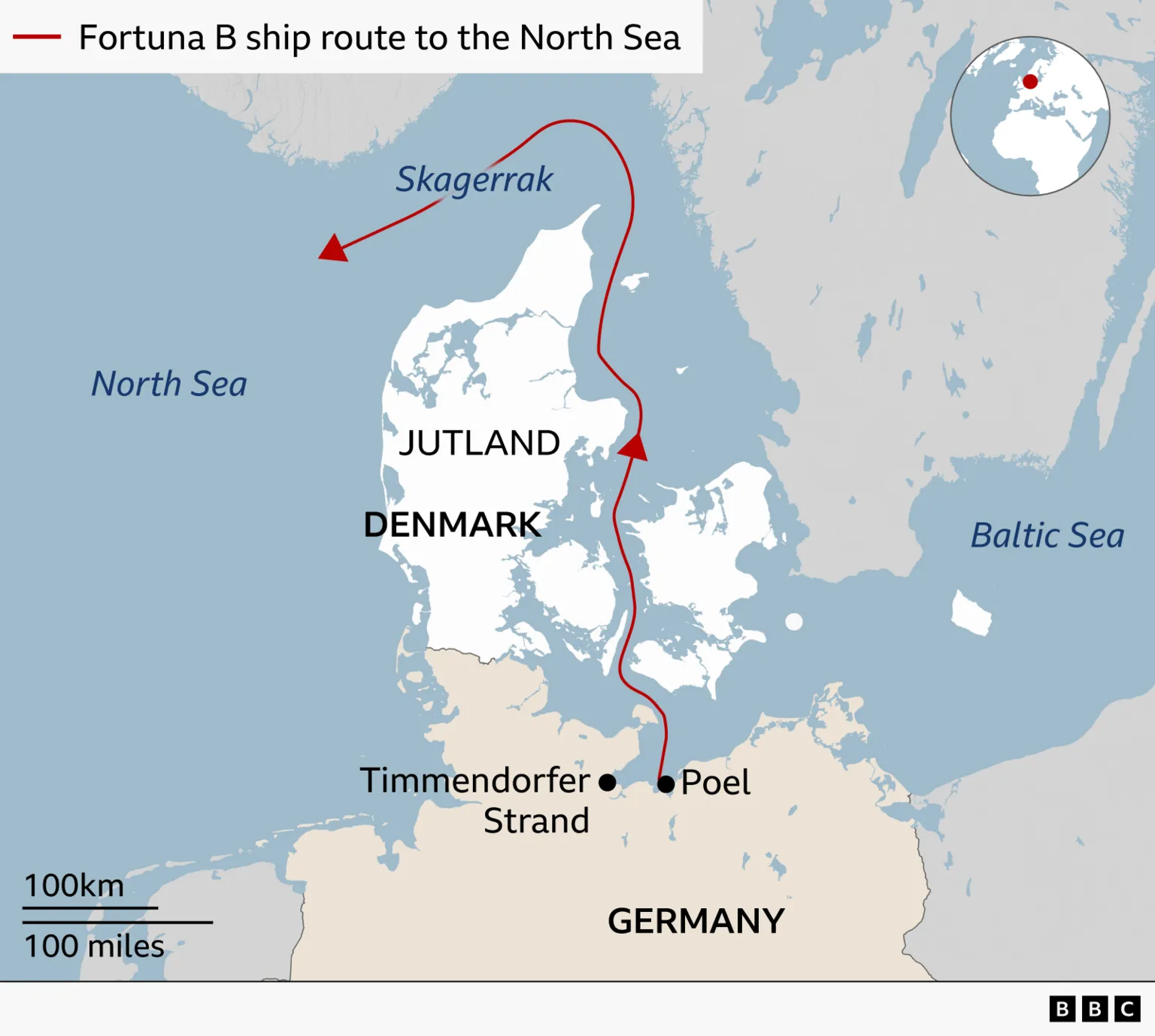
On Tuesday, divers coaxed the whale onto a specially adapted barge, the Fortuna B, which was then pulled by a tugboat out of German waters. By Wednesday, the barge had reached Danish waters, sailing along the coast of Jutland with the aim of passing through the Skagerrak strait into the North Sea. Felix Bohnsack, the technical head of the mission, praised the collaboration between Backhaus's environment ministry and the German life guards' association DLRG, but warned the team was not yet 'out of the woods'.
Criticism From Marine Experts
The International Whaling Commission's strandings expert panel said the whale 'appeared to be severely compromised' and 'unlikely to survive' even if moved to deeper water. The IWC stated that active interventions such as towing or moving by barge are 'inadvisable on grounds of animal welfare and human safety', imposing 'very considerable additional stress upon a creature that is already gravely ill, to little ultimate benefit'. Experts from the Oceanographic Museum in Stralsund went further, calling the rescue attempt 'pure animal cruelty' and urging that the whale be left to die in peace.
Political and Public Frenzy
Till Backhaus, the environment minister for Mecklenburg-Vorpommern, has become the public face of the rescue. He told reporters the operation was 'an experiment, and the experiment was a success, and that's wonderful'. Backhaus noted that the whale was resting peacefully and had vocalised during the night. The mission has sparked a national whale frenzy: supporters have baked whale-shaped cakes, composed songs, and even gotten tattoos of the animal. The two entrepreneurs who funded the rescue, Karin Walter-Mommert and Walter Gunz, expressed elation. 'I can't even say how happy I am,' said Walter-Mommert, while Gunz said he had never prayed so much in his life.
The Whale's Deteriorating Condition
The whale has been described as lethargic and covered in blister-like blemishes. Parts of a fishing net, some of which was removed early in its stranding, is believed to be still caught in its mouth. The low salinity of the Baltic Sea has caused skin damage, and the Whale and Dolphin Conservation (WDC) warned that the whale's skin would need to fully recover and it would need to start finding food independently for any rescue to be considered a success. The IWC panel said the creature was 'severely compromised' and unlikely to survive.
Outlook: What Comes Next
The barge is expected to reach the North Sea in two days, the whale will face an uncertain future. Wildlife groups, including WDC, are far from optimistic, warning that the whale has no long-term chance of survival. The IWC and other experts have urged the rescue team to be transparent about the whale's whereabouts and release location. The operation, while celebrated by many, has highlighted the deep divide between emotional public sentiment and scientific advice on wildlife intervention.
The bottom line
- The whale's rescue has been funded by private multimillionaires, not public money.
- International and German marine experts overwhelmingly opposed the intervention on welfare grounds.
- The whale suffered skin damage from low salinity and may still have netting in its mouth.
- The operation succeeded in moving the whale to deeper water, but its long-term survival is highly uncertain.
- The public response in Germany included cakes, songs, and tattoos, reflecting deep emotional engagement.
- The case underscores a broader tension between human compassion and scientific advice in wildlife rescue.
Melbourne Storm coach Craig Bellamy diagnosed with neurodegenerative disorder

Timberwolves lose DiVincenzo for season, Edwards' knee injury casts doubt on playoff run

Marta Kostyuk Captures First WTA 1000 Title in Madrid, Defeating Mirra Andreeva