Melbourne's Federation Square Bans World Cup Screenings Amid Safety Fears
Iconic venue cites crowd behaviour and flare use, sparking outrage from Football Australia and fans.
AUSTRALIA —
Key facts
- Melbourne's Federation Square will not host public World Cup screenings.
- Safety concerns over flare use at previous events prompted the decision.
- Football Australia is urging the Melbourne Arts Precinct to reverse the ban.
- An estimated 12,000 fans attended a 2023 Women's World Cup semifinal screening.
- Dozens of flares were lit during a 2023 semifinal, causing injuries.
- The venue is not equipped for stadium-level security screening.
- The ban ends a 20-year tradition of World Cup screenings at Federation Square.
World Cup Tradition Ends Amid Safety Concerns
Melbourne's iconic Federation Square has announced it will not host public screenings of this year's FIFA World Cup matches, ending a two-decade tradition. The decision, attributed to safety issues stemming from the conduct of a "small number of people" at past events, has ignited widespread criticism from football fans and officials. The Melbourne Arts Precinct, which manages Federation Square, confirmed the ban, citing incidents involving the use of flares and antisocial behaviour as the primary drivers. This move means thousands of fans will be denied a central gathering point to support the Socceroos during their seventh World Cup appearance. The venue, situated in the heart of Melbourne's CBD, has previously served as a vibrant live site for major tournaments, most notably the 2023 Women's World Cup where thousands turned out to watch the Matildas on the big screen. However, a wild semifinal match attended by an estimated 12,000 fans saw dozens of flares lit, prompting significant safety concerns.
Flares and Unacceptable Behaviour Trigger Ban
Katrina Sedgwick, chief executive of the Melbourne Arts Precinct, explained that the decision was a direct response to "unacceptable and damaging" behaviour observed during previous screenings. She highlighted the difficulty in managing safety within a crowded public square when attendees smuggle in dangerous items like flares. "The challenge is when you have a crowded square with lots and lots of people and people are smuggling in flares … it's very difficult to get to those people, it's difficult to control them," Ms Sedgwick stated. She noted that attendees had sustained injuries during past World Cup screenings due to the ignition of flares, with over 100 flares and fireworks reportedly set off during the final night of the last Socceroos game screened. Federation Square's multiple entry points and its location opposite Flinders Street Station mean it is not equipped to conduct the same level of security searches as a dedicated sports stadium. This lack of robust screening capability, coupled with the documented incidents, made continuing the screenings untenable for the venue operators.
Football Australia Calls for Reversal
Football Australia has expressed "extreme disappointment" with the decision and is actively urging the Melbourne Arts Precinct and the Victorian Government to overturn the ban. The organisation views the move as robbing Australian fans of a vital opportunity to unite and celebrate their national team. "Football Australia is extremely disappointed with the decision to rob Australian fans of an opportunity to gather and support the Socceroos in their seventh FIFA World Cup appearance," a statement from the organisation read. They emphasise that the FIFA World Cup is a unifying event that brings together Australia's multicultural communities and reinforces national identity. Martin Kugeler, chief executive of Football Australia, stressed the importance of live sites in creating "iconic moments for Australian sports fans." He stated that Federation Square has historically provided some of the most memorable scenes in Australian sporting history, dating back to the Socceroos' 2006 World Cup campaign and the 2023 Women's World Cup.
Fan Outrage and Notable Criticisms
The ban has been met with significant backlash from the football community. Matildas star Sam Kerr responded to the news with a simple "boo," while former Socceroo Craig Foster labelled the decision "ridiculous" and "absurd." Fans have derided the move as a "shame," lamenting the loss of a cherished communal experience. Some have pointed out that screenings during the 2023 Women's World Cup were trouble-free, with viral footage showcasing enthusiastic crowds supporting the Matildas. This contrast has led to questions about the consistency of the decision-making process. Despite the widespread criticism, venue management has stood firm, pointing to specific incidents like the 2022 World Cup screening of Australia vs Argentina, where flares caused injuries and required fire brigade intervention, and arrests were made. The damage to the square and the behaviour of some attendees were cited as reasons for not showing future matches.
Broader Implications for Sporting Culture
The decision to ban World Cup screenings at Federation Square raises questions about the future of public viewing events in Melbourne and potentially across Australia. While safety is paramount, the loss of a central, accessible location for fans to connect with major sporting moments could diminish the collective experience. Melbourne is often touted as Australia's sporting capital, and Federation Square has played a key role in fostering that identity by hosting significant national team events. The ban, therefore, runs counter to the city's established sporting and multicultural traditions. As the FIFA World Cup approaches, fans are now compelled to seek alternative venues for communal viewing, a shift that may dilute the widespread national support the Socceroos have historically enjoyed during the tournament. The debate highlights the delicate balance between ensuring public safety and preserving the vibrant atmosphere of shared sporting celebrations.
The bottom line
- Melbourne's Federation Square will not screen World Cup matches due to safety concerns related to flare use and crowd behaviour at past events.
- Football Australia has strongly criticised the decision, calling it a blow to fan experience and urging the Victorian Government and venue operators to reconsider.
- Incidents involving flares, injuries, and arrests at previous screenings, particularly during the 2022 and 2023 World Cups, led to the ban.
- The venue's chief executive cited the difficulty in controlling a small minority of attendees who engage in dangerous and antisocial behaviour.
- The ban ends a 20-year tradition of public World Cup screenings at Federation Square, a significant loss for many football fans.
- Notable figures like Sam Kerr and Craig Foster have voiced their disapproval, reflecting widespread fan disappointment.


Rain Halts IPL 2026 Clash Between Lucknow Super Giants and Royal Challengers Bengaluru
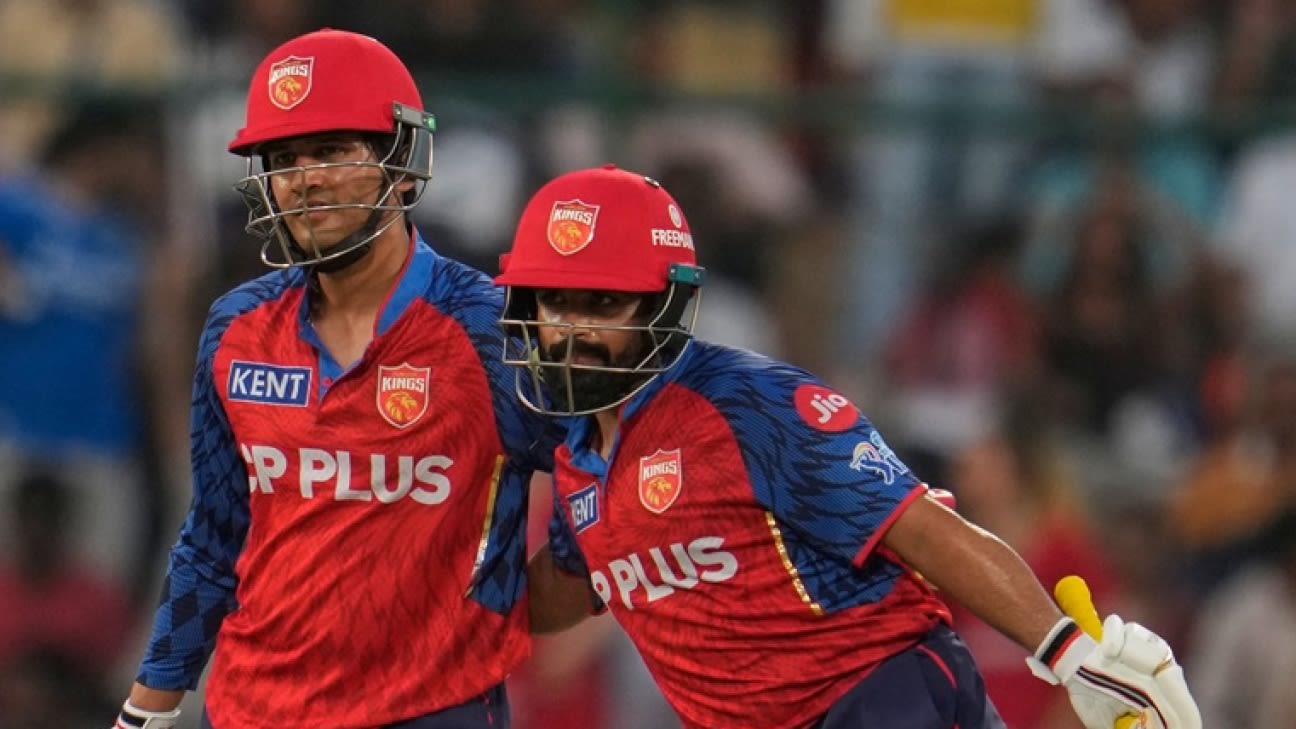
Sunrisers Hyderabad Ascend to IPL Summit After Dominating Punjab Kings
