Pixel 11 Leak Reveals Tensor G6 Chip, RAM Downgrade, and Dropped Thermometer
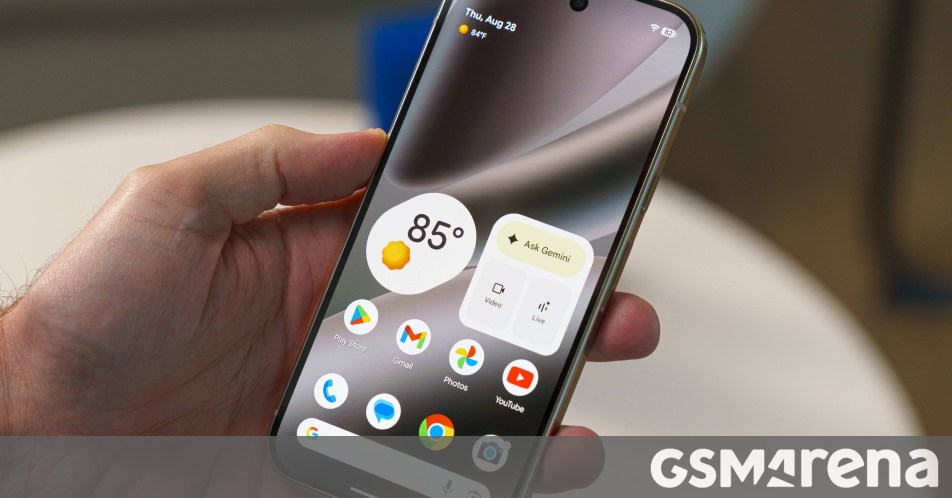
A detailed leak of Google's 2026 Pixel lineup shows a shift to TSMC's 2nm process, a RAM reduction due to industry shortages, and the removal of the thermometer sensor.
BANGLADESH —
Key facts
- All Pixel 11 models will use the Tensor G6 SoC built on TSMC's 2nm N2 node.
- The base Pixel 11 may start with 8GB RAM, down from 12GB in the Pixel 10.
- The Pixel 11 Pro XL features a 6.8-inch OLED with 1344x2992 resolution and 2,450-nit peak brightness.
- The thermometer sensor is removed from Pro models, replaced by an RGB LED array in the camera bar.
- IR face unlock is 'likely' absent on 2026 Pixels as it is 'still not ready for release'.
- The Pixel 11 Pro Fold has a 4,658 mAh rated battery, advertised as 4,800 mAh typical capacity.
- The modem is the MediaTek M90 (MT6986D), and the GPU is PowerVR C-Series CXTP-48-1536.
- RAM shortage is affecting not just smartphones but also gaming handhelds and Raspberry Pis.
A New Chip and a RAM Cut Define the Pixel 11 Lineup
A fresh leak has surfaced detailing Google's upcoming Pixel 11 family, expected in 2026, revealing a mix of cutting-edge silicon and a surprising reduction in memory. All four models — the Pixel 11, Pixel 11 Pro, Pixel 11 Pro XL, and Pixel 11 Pro Fold — will be powered by the Tensor G6 system-on-chip, fabricated on TSMC's advanced 2nm N2 node. The chipset features a CPU with one ARM C1-Ultra core clocked at 4.11GHz, four ARM C1-Pro cores at 3.38GHz, and two more ARM C1-Pro cores at 2.65GHz, paired with a PowerVR C-Series CXTP-48-1536 GPU and Google's Titan M3 security chip. However, the leak from MysticLeaks indicates that the base Pixel 11 will come with just 8GB of RAM, a downgrade from the 12GB found in the Pixel 10. The Pro, Pro XL, and Pro Fold models may see their base configuration drop from 16GB to 12GB. The source attributes this to an ongoing RAM shortage affecting the entire tech industry, from smartphones to gaming handhelds and Raspberry Pis.
Display and Camera Upgrades Across the Board
Despite the RAM cut, the Pixel 11 series is expected to bring notable improvements in displays and cameras. The vanilla Pixel 11 will sport a 6.3-inch OLED screen with 1080x2424 resolution, 120Hz refresh rate, 240Hz PWM, and up to 2,200-nit peak brightness. The Pro model gets a higher-resolution 6.3-inch 1280x2856 OLED with 2,450-nit peak brightness, while the Pro XL features a 6.8-inch OLED with 1344x2992 resolution and the same peak brightness. The Pro Fold's internal folding screen measures 2076x2160 with 2,050-nit peak brightness, and its cover display is 1080x2342 with 2,450-nit peak brightness. All models are said to receive a new main camera, likely 50MP on the base model, and the Pro variants will also get a new telephoto lens. The camera bar on the Pro, Pro XL, and Pro Fold will house an RGB LED array, replacing the thermometer sensor found on previous generations. This design choice echoes Nothing's Glyph interface, albeit on a smaller scale.
Battery Capacities and Color Options Leaked
The leak includes detailed battery specifications for each model. The Pixel 11 has a rated capacity of 4,840 mAh, likely advertised as 5,000 mAh typical. The Pro's rated battery is 4,707 mAh, translating to 4,850-4,900 mAh typical. The Pro XL gets a 5,000 mAh rated battery, advertised as 5,100-5,200 mAh, and the Pro Fold's rated 4,658 mAh is expected to be marketed as 4,800 mAh. The base Pixel 11 will be available in black, green, pink, and purple.
IR Face Unlock Remains Elusive, Thermometer Dropped
The leak also addresses two features that will not appear on the 2026 Pixels. Despite earlier rumors, infrared face unlock is 'likely' absent, as the source claims it is 'simply still not ready for release.' Additionally, the thermometer sensor — introduced on the Pixel 8 Pro and carried over to the Pixel 10 — is removed from all Pro models. In its place, an RGB LED array is integrated into the camera bar, a design shift that may hint at Google's interest in customizable notification lighting.
RAM Shortage Hits Google and the Broader Tech Industry
The RAM reduction in the Pixel 11 series is attributed to a global shortage of memory chips. According to the leak, this shortage is not limited to smartphones; it is also driving price hikes and specification changes in gaming handhelds and Raspberry Pi devices. The decision to lower RAM configurations suggests Google is prioritizing supply chain stability over raw specs, even as it pushes forward with other hardware improvements.
What the Leak Means for Google's 2026 Strategy
If accurate, the leak paints a picture of a company making calculated trade-offs. By adopting TSMC's 2nm process and a new GPU, Google aims to boost performance and efficiency, while the RAM cut reflects real-world constraints. The removal of the thermometer and the delay of IR face unlock indicate that not every experimental feature makes it to production. With the Pixel 11 series, Google appears to be refining its formula: better screens, cameras, and chips, but with pragmatic compromises where necessary.
The bottom line
- The Pixel 11 series will use the Tensor G6 chip on TSMC's 2nm node, a significant process upgrade.
- Base RAM drops to 8GB on the Pixel 11 and 12GB on Pro models due to a global RAM shortage.
- Pro models lose the thermometer sensor, replaced by an RGB LED array in the camera bar.
- IR face unlock is not ready for the 2026 Pixels, contrary to earlier rumors.
- Display brightness and resolution see notable increases across the lineup.
- The RAM shortage is affecting multiple tech sectors, including gaming handhelds and Raspberry Pis.






Aaron Hardie's all-round heroics end Peshawar Zalmi's nine-year PSL title drought
/https%3A%2F%2Fsportsmole-media-prod.s3.gra.io.cloud.ovh.net%2Fuploads%2F2025%2F11%2Fimago1069252714-1-691afcc30cdf0555289551.jpg)
Recoleta and Santos Face Decisive Copa Sudamericana Clash in Asunción

Sporting CP Crushes Vitória Guimarães 5-1 to Bolster Europa League Hopes
