Kane's Late Goal Not Enough as Bayern Munich Exit Champions League
A late equalizer from Harry Kane couldn't salvage Bayern's Champions League hopes against Paris Saint-Germain.

BANGLADESH —
Key facts
- Bayern Munich drew 1-1 with Paris Saint-Germain in the Champions League semi-final second leg.
- Bayern Munich lost 6-5 on aggregate to Paris Saint-Germain.
- Harry Kane scored Bayern's equalizer in the 94th minute.
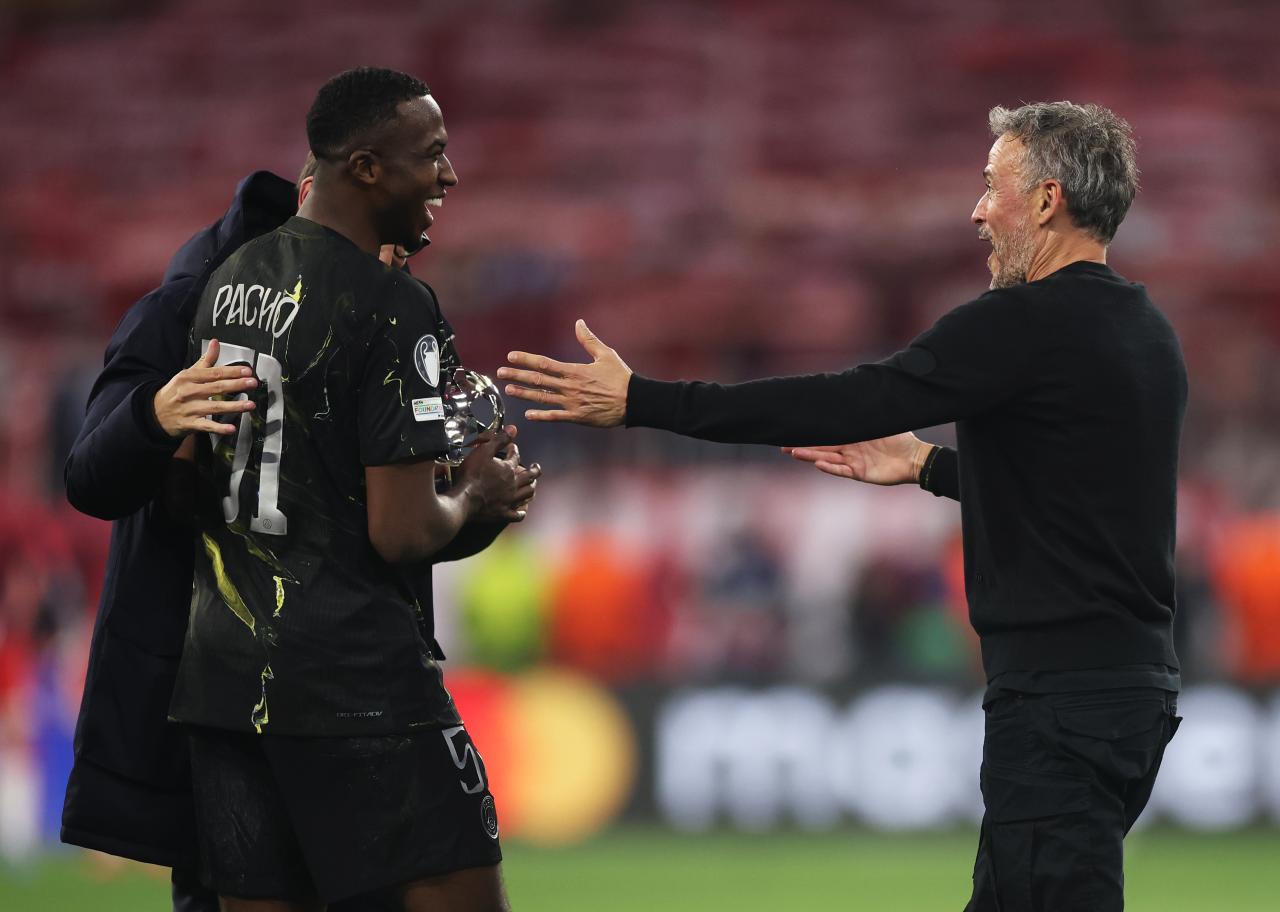
- Willian Pacho was named UEFA Player of the Match for his defensive performance.
- Bayern Munich striker Harry Kane had previously commented on the squad's thinness.
- Serge Gnabry suffered a season-ending injury before the semi-finals.
- Jamal Musiala was not at his best following an ankle injury.
Champions League Dream Ends in Munich
Bayern Munich's quest for Champions League glory concluded on Wednesday night, with a 1-1 draw against Paris Saint-Germain at the Allianz Arena sealing their exit from the competition. The aggregate scoreline read 6-5 in favour of the French champions, a narrow defeat that underscored a season of highs and lows for the German giants. Despite taking an early lead in the second leg, PSG managed to contain Bayern's potent attack for much of the match. It was only deep into injury time that Harry Kane found the back of the net, a crucial equalizer that ultimately proved insufficient to overturn the first-leg deficit and advance to the final. The performance highlighted a recurring theme for Bayern this season: a perceived lack of depth in key positions, a concern previously voiced by their star striker himself.
Kane's Late Strike Offers Little Solace
The England captain's goal arrived in the 94th minute, a moment of individual brilliance that momentarily ignited hope among the home supporters. Kane's equalizer, however, came too late to alter the final outcome, leaving Bayern to reflect on what might have been. This late intervention was a stark contrast to the team's earlier struggles to break down a resolute PSG defence. With forwards like Luis Díaz, Michael Olise, and Jamal Musiala also finding it difficult to impose themselves, the match marked one of the rare occasions this season where Bayern's attacking options appeared genuinely limited. While Kane eventually delivered, his solitary strike could not compensate for the collective inability to break down PSG's backline until the dying moments of the game.
Pre-Season Doubts Echoed in Defeat
The narrative of a thin squad, which some argue may have cost Bayern their Champions League aspirations, was presciently articulated by Harry Kane himself. Ahead of the season, in comments made to Transfermarkt, the striker remarked, “It’s probably one of the smallest squads I’ve ever played in.” He had acknowledged that while young players were performing well in pre-season, the team was “a bit thin.” Kane, however, had also noted that there was still time for the transfer window to close, suggesting potential for reinforcements. This sentiment proved to be a chillingly accurate forecast of the challenges Bayern would face later in the campaign. These concerns were amplified by the absence and struggles of key attacking players during crucial junctures of the season.
Injuries and Unavailability Plague Bayern's Attack
The semi-final tie was further complicated by significant personnel issues. Bayern lost forward Serge Gnabry to a season-ending injury prior to the crucial semi-final matches, creating a void in the attacking third. The responsibility to fill this gap largely fell to Jamal Musiala. However, Musiala himself was still recovering from a complicated ankle injury sustained last summer at the FIFA Club World Cup. His performance in the second leg against PSG suggested he was far from his peak physical condition, impacting Bayern's offensive flow. This situation left the team with fewer reliable alternatives when facing a formidable opponent like PSG. Even Lennart Karl, who had shown promise earlier in the season, was only just returning from injury and saw limited minutes, coming on in the 84th minute. In contrast, PSG's coach, Luis Enrique, was able to deploy fresh attacking options from the bench, including Bradley Barcola, while still having Kang-In Lee and others in reserve.
A Season of Records, But Not the Ultimate Prize
Despite the Champions League disappointment, Bayern Munich experienced a largely successful domestic season. The team convincingly won the Bundesliga title, setting numerous goalscoring records along the way. They also reached the final of the DFB Pokal, further demonstrating their dominance on home soil. In the Champions League, Bayern had showcased moments of brilliance, notably overcoming Real Madrid in a spectacular fashion to reach the semi-final. The first leg against PSG was a high-scoring affair, a 5-4 thriller that set the stage for a dramatic return leg. Yet, when it mattered most, and with their squad stretched thin by injuries and fitness concerns, Bayern could not replicate their usual attacking prowess against a well-drilled Paris Saint-Germain side.
Pacho Lauded for Defensive Masterclass
While Bayern's attacking efforts ultimately fell short, the defensive resilience of Paris Saint-Germain was a key factor in their progression. The UEFA Technical Observer Group recognized this by naming PSG's Willian Pacho as the Player of the Match. The Ecuadorian centre-back delivered a commanding performance at the heart of PSG's defence, playing a crucial role in thwarting Bayern's attempts to score. His rock-solid display was instrumental in securing his team's place in the Champions League final. Pacho's individual accolade served as a testament to the defensive solidity that ultimately proved decisive in the tie.
Looking Ahead: Squad Depth Remains a Question
Bayern Munich's exit from the Champions League raises pertinent questions about squad depth, particularly in attacking roles. While the starting XI remains formidable and capable of competing with Europe's elite, the reliance on a few key players and the vulnerability to injuries have been laid bare. The club's management will undoubtedly face scrutiny over their transfer strategy and their ability to provide adequate cover for their star players. The experiences of this season, especially the semi-final against PSG, will likely inform future recruitment and squad planning. As the dust settles on their Champions League campaign, Bayern must now regroup and focus on maintaining their domestic dominance while addressing the underlying issues that surfaced during their European campaign.
The bottom line
- Bayern Munich were eliminated from the Champions League by Paris Saint-Germain after a 1-1 draw in the semi-final second leg, losing 6-5 on aggregate.
- Harry Kane scored a late equalizer in the 94th minute of the second leg, but it was not enough to secure progression.
- Concerns about Bayern's squad depth, previously voiced by Kane, were highlighted as a potential factor in their exit.
- Key injuries to players like Serge Gnabry and the fitness issues of Jamal Musiala impacted Bayern's attacking options.
- Willian Pacho of PSG was named Player of the Match for his significant defensive contribution.
- Despite the European setback, Bayern achieved domestic success, winning the Bundesliga and reaching the DFB Pokal final.


Hyderabad and Punjab Kings Clash in IPL 2026 Showdown
Doku's Late Stunner Rescues Point for City but Hands Title Initiative to Arsenal
Nottingham Forest Go Six Points Clear as Chelsea Lose Sixth Straight League Game
