Iran Reviews US Messages Amid Hormuz Strait Uncertainty
Tehran has yet to reply to U.S. proposals relayed via Pakistan, as oil prices fluctuate and a key shipping lane remains in focus.

BANGLADESH —
Key facts
- Iran is reviewing U.S. messages sent via Pakistani mediators.
- A 14-point memorandum of understanding between the U.S. and Iran has been reported.
- President Trump predicts the war could end quickly.
- The Strait of Hormuz, a vital oil shipping route, remains a point of contention.
- The U.S. Project Freedom initiative to guide ships was paused and may restart.
- Saudi Arabia initially suspended U.S. military access but has since lifted restrictions.
- Senior Iranian official Mohsen Rezaee stated Tehran opposes unrealistic plans for the Strait of Hormuz.
Tehran Weighs U.S. Overtures Amid War's Uncertainty
Iran is currently examining messages transmitted from the United States through Pakistani intermediaries, an Iranian foreign ministry spokesman stated on Thursday. The nation has not yet formulated a conclusion or dispatched a reply, according to state media reports. These comments emerge as the two nations navigate a complex diplomatic landscape, with the outcome of a protracted conflict hanging in the balance. The situation is particularly opaque concerning the Strait of Hormuz, a critical artery for global oil transport that has been obstructed during the war, precipitating a worldwide energy supply shock. from outlets including Axios that the U.S. and Iran are nearing a 14-point memorandum of understanding intended to conclude the war and pave the way for further nuclear negotiations. President Donald Trump has publicly expressed optimism, stating that the Iranians are eager to "make a deal very much," and that "we'll see whether or not they can make a deal that's satisfactory to us." He further predicted that the conflict would "be over quickly."
Market Volatility Reflects Diplomatic Fog
Initial indications that the over two-month-old war might be nearing its end on Wednesday spurred gains in stock markets and a decline in oil prices. However, this optimism proved fleeting. By Thursday afternoon, equities had retreated into negative territory, while oil prices resumed their upward trajectory, underscoring the persistent murkiness surrounding the latest developments. The fluctuating market reactions highlight the global economic sensitivity to the ongoing conflict and the potential implications for energy security. The Strait of Hormuz, in particular, remains a focal point, its closure having already triggered significant disruptions to international energy supplies. The ongoing uncertainty surrounding its future accessibility continues to cast a shadow over global markets.
Project Freedom's Stalled and Restarted Maneuvers
In response to Iranian threats within the strait, the U.S. initiated "Project Freedom" on Monday. This initiative aimed to guide commercial vessels stranded in the Persian Gulf to safety. However, President Trump abruptly halted the plan just one day later, citing progress in negotiations with Iran. Reports from NBC News on Wednesday suggested this abrupt reversal was prompted by displeasure from Saudi Arabia, a key regional ally. The kingdom had reportedly moved to suspend the U.S. military's use of its bases and airspace. By Thursday afternoon, Saudi Arabia and Kuwait had rescinded these restrictions. The Trump administration is now reportedly looking to reinstate Project Freedom in the coming days.
Iran's Official Stance on Strait of Hormuz
Senior Iranian official Mohsen Rezaee articulated Tehran's position on the Strait of Hormuz on Thursday, stating that Iran would not permit the U.S. to reopen the waterway based on "an unrealistic plan." Rezaee, speaking in reference to the reported 14-point proposal from the U.S., emphasized that any negotiated outcome must yield "tangible benefits" for Iran, rather than serving as a mere "flamboyant gesture." His remarks signal a firm stance from Tehran, indicating that any resolution must address Iran's perceived interests and provide concrete advantages. The emphasis on "tangible benefits" suggests that Iran is seeking more than symbolic concessions, potentially including economic relief or security guarantees. This underscores the complex demands and expectations that will need to be navigated in any potential agreement.
The Stakes of a Choked Waterway
The Strait of Hormuz, a narrow maritime passage situated between the Persian Gulf and the Gulf of Oman, is of paramount importance to global energy markets. Approximately 20% of the world's total oil consumption passes through this chokepoint daily. Its strategic significance means that any disruption to shipping in the strait can have immediate and far-reaching consequences for oil prices and supply chains worldwide. The recent conflict has underscored this vulnerability, leading to significant price volatility and concerns about energy security. The U.S. "Project Freedom" initiative, despite its temporary suspension, underscores the international community's efforts to ensure the continued flow of oil through this vital passage. The ongoing diplomatic efforts are therefore critical not only for resolving the immediate conflict but also for stabilizing global energy markets.
The bottom line
- Iran is actively reviewing U.S. proposals for de-escalation and a potential end to the current conflict.
- The Strait of Hormuz remains a critical point of contention, with Iran demanding "tangible benefits" for its reopening.
- Market reactions to the diplomatic signals have been volatile, reflecting global economic sensitivity to energy supply.
- U.S. initiatives to secure shipping lanes have been subject to rapid policy shifts, influenced by regional allies.
- The outcome of ongoing negotiations could have significant implications for global oil prices and energy security.
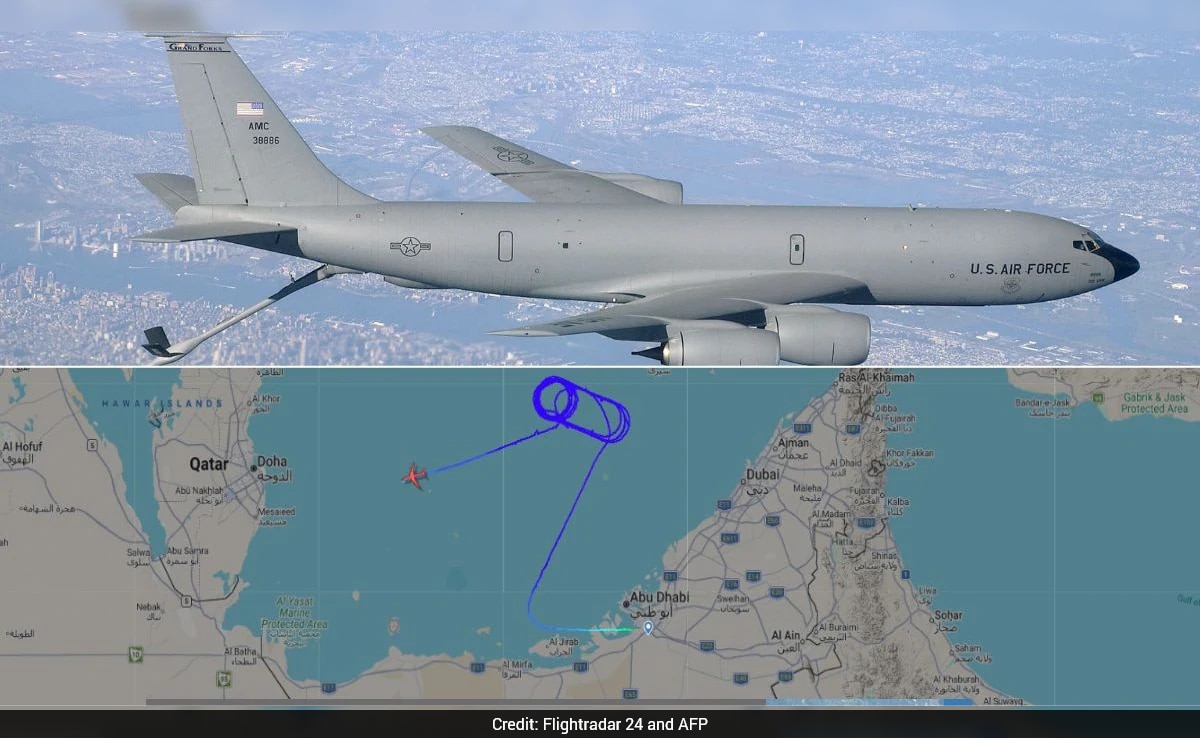
US KC-135 Stratotanker Vanishes Over Persian Gulf After Distress Signal

Shaheen Afridi Faces Scrutiny Over Pace in Bangladesh Test Series

West Bengal Madhyamik Results Declared for 2026
