Mamata Banerjee Loses Bhabanipur Stronghold as BJP Surpasses 190 Seats in Bengal
In a seismic shift, the BJP captures over 190 seats in West Bengal, while Mamata Banerjee loses her own constituency of Bhabanipur to Suvendu Adhikari.

BANGLADESH —
Key facts
- BJP wins over 190 seats in West Bengal assembly.
- Mamata Banerjee loses Bhabanipur stronghold to Suvendu Adhikari.
- MK Stalin loses his stronghold in Tamil Nadu.
- Actor Vijay's TVK party leads in over 100 seats in Tamil Nadu.
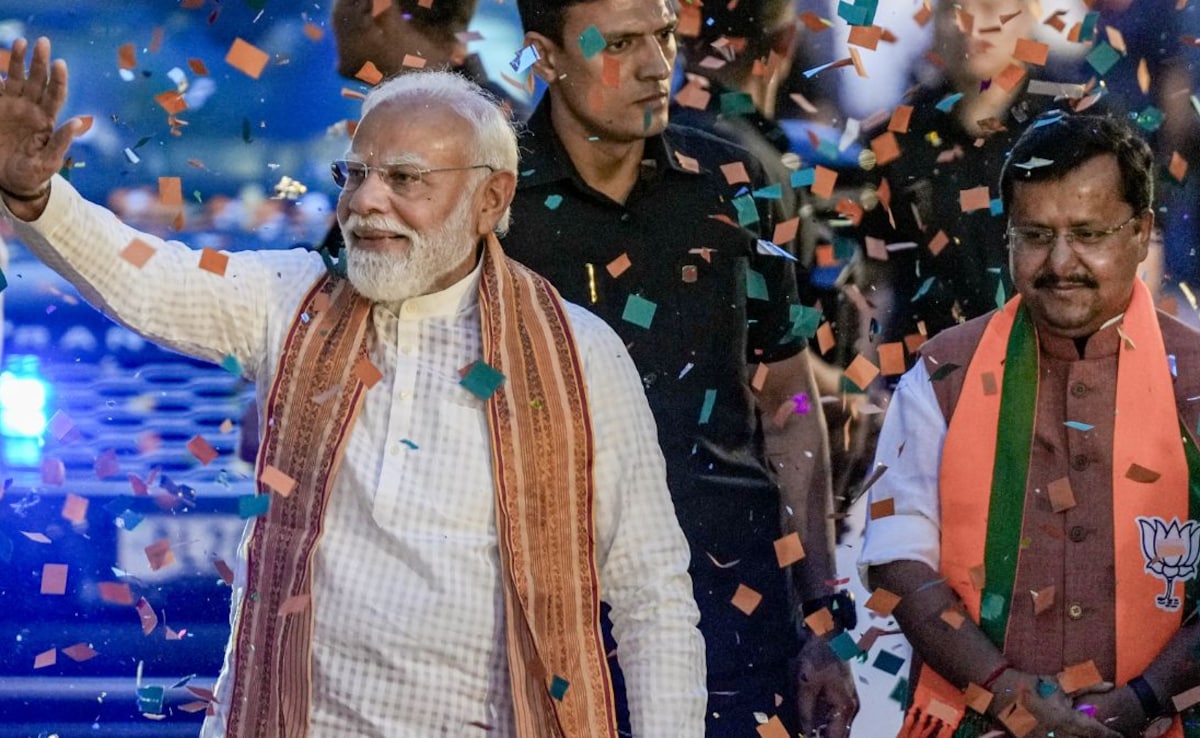
- PM Modi declares 'Bengal has seen Poriborton today'.
- Amit Shah credited as one of five architects of BJP's Bengal win.
- BJP completes 'Anga-Banga-Kalinga' eastern India arc.
BJP's Landslide Victory in West Bengal
The Bharatiya Janata Party has secured over 190 seats in the West Bengal assembly, marking a historic victory that reshapes the political landscape of eastern India. Prime Minister Narendra Modi declared, "Bengal has seen Poriborton today," signaling a transformative shift in a state long dominated by Mamata Banerjee's Trinamool Congress. Banerjee herself lost her Bhabanipur stronghold to BJP's Suvendu Adhikari, a former TMC leader who defected to the BJP. The defeat is a personal and political blow for Banerjee, who had held the seat since 2011.
The Architects of BJP's Bengal Triumph
Home Minister Amit Shah is among five key figures credited with orchestrating the BJP's historic win in Bengal. The party's strategy, dubbed "Anga-Banga-Kalinga," aimed to complete its eastern India arc, linking victories in Assam, West Bengal, and Odisha. The BJP's ground campaign focused on grassroots mobilization and leveraging local issues, including alleged corruption and law-and-order concerns under the TMC government. The party's organizational machinery, led by Shah, proved decisive in flipping hundreds of seats.
Tamil Nadu: Vijay's TVK Breaks DMK's Grip
In Tamil Nadu, actor Vijay's Tamilaga Vettri Kazhagam (TVK) surged ahead in over 100 seats, breaking the DMK's decades-long dominance. MK Stalin, the DMK chief, lost his own constituency, a defeat that analysts describe as a nail in the party's coffin. Vijay's entry into politics, backed by a dedicated fan base and a six-move campaign strategy, has upended traditional alliances. The TVK's success is attributed to its appeal among youth and its promise of clean governance, tapping into voter disillusionment with established parties.
Stalin's Downfall and the DMK's Future
MK Stalin's defeat is seen as a historic low for the DMK, which had ruled Tamil Nadu for most of the past five decades. The loss is harder than his father M. Karunanidhi ever faced, signaling a generational shift in the state's politics. Karti Chidambaram, a Congress MP, commented on the TVK's rise, urging Vijay to "articulate" his policies clearly. The DMK's collapse raises questions about the future of Dravidian parties in Tamil Nadu, as Vijay's TVK positions itself as a new force.
BJP's Eastern India Arc and National Implications
The BJP's victory in Bengal completes its "Anga-Banga-Kalinga" strategy, securing a continuous belt from Assam to Odisha. This geographic consolidation strengthens the party's national footprint ahead of the 2029 general elections. PM Modi has already made a big prediction for the upcoming Uttar Pradesh elections, signaling that the BJP intends to build on its momentum. The party's success in Bengal is expected to embolden its cadre and attract new allies.
What Comes Next for Mamata Banerjee and the TMC
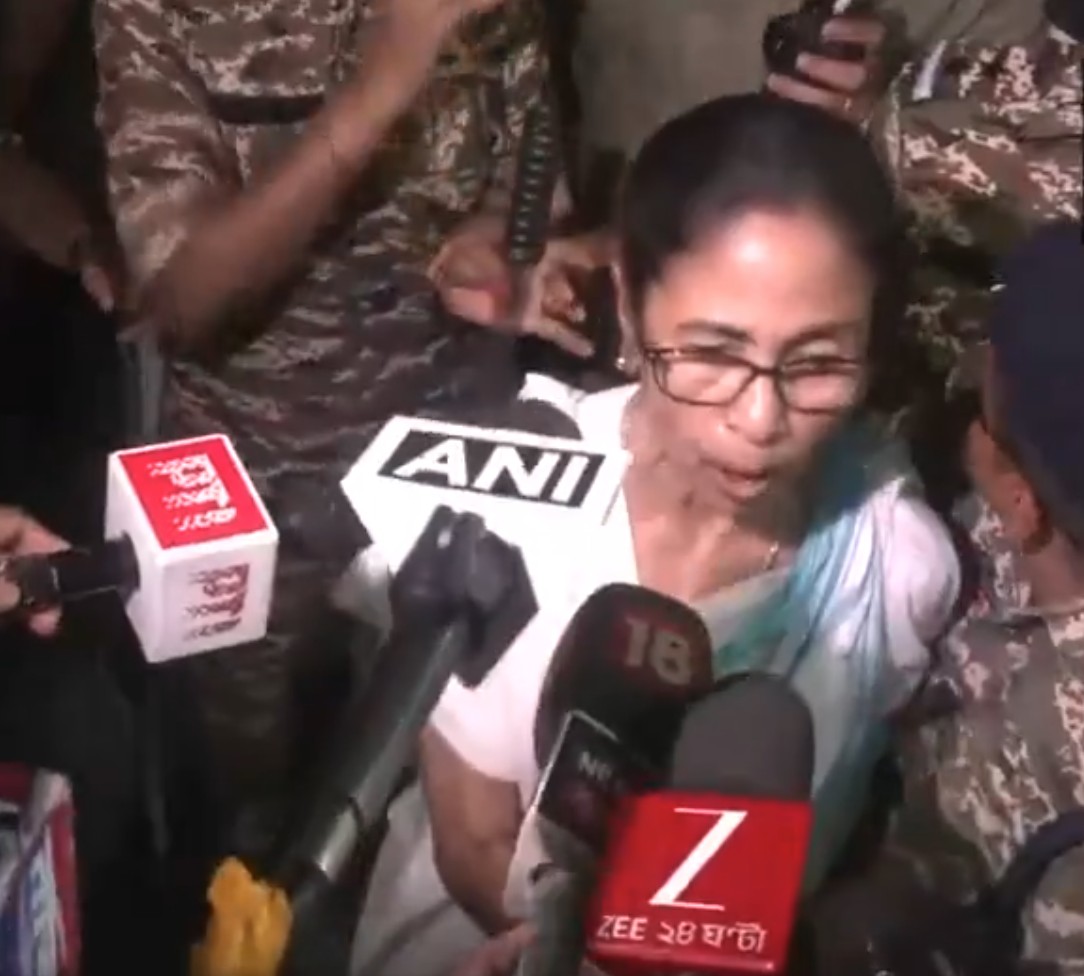
Mamata Banerjee, in her first reaction, said, "Loot, loot, loot. We'll bounce back," accusing the BJP of exploiting state resources. The TMC, which had ruled Bengal since 2011, now faces an existential crisis as many of its leaders may defect to the BJP. The loss of Bhabanipur is symbolic of Banerjee's diminished political capital. Whether she can rebuild the TMC or whether the party fragments remains an open question. The BJP's victory also sets the stage for a new political dynamic in eastern India, with the party now holding power in multiple states.
The Broader Picture: India's Political Realignment
The 2026 assembly elections in West Bengal and Tamil Nadu represent a broader realignment in Indian politics. The BJP's expansion into the east and Vijay's rise in the south challenge the traditional dominance of regional parties. For the Congress and other opposition parties, the results are a stark reminder of their declining influence. The BJP's ability to win in diverse regions underscores its organizational strength and Modi's enduring appeal. As the dust settles, the political map of India looks markedly different from just a few years ago.
The bottom line
- BJP wins over 190 seats in West Bengal, ending TMC's decade-long rule.
- Mamata Banerjee loses her Bhabanipur seat to BJP's Suvendu Adhikari.
- Actor Vijay's TVK leads in over 100 seats in Tamil Nadu, defeating MK Stalin.
- BJP's 'Anga-Banga-Kalinga' strategy completes eastern India arc.
- Amit Shah and four others are credited as architects of BJP's Bengal win.
- The results signal a major political realignment in India ahead of 2029 general elections.





Spirit Airlines Collapses After $500M Bailout Talks Fail, Cancels All Flights
Inside Spirit Airlines