Nia Long alleges pay disparity on 'Michael' biopic despite equal-pay clause
The actress, who plays Katherine Jackson, claims she was underpaid compared to co-stars Colman Domingo and Miles Teller, amid eleventh-hour script changes that cut her screen time.
BANGLADESH —
Key facts
- Nia Long, 55, is 'quietly fighting' Lionsgate over a pay discrepancy, per three sources.
- Long's contract included a 'fair nations' agreement ensuring equal pay with co-stars.
- Colman Domingo and Miles Teller earned more than Long for their roles.
- Long's screen time was reduced due to last-minute reworkings of the film's third act.
- The original script featured Long heavily in the third act, including a key final scene.
- A depiction of Jordan Chandler was removed from the film due to a settlement clause.
- The film covers Jackson's life from the 1960s to 1988, before the first molestation allegations.
Behind-the-scenes dispute over pay equity
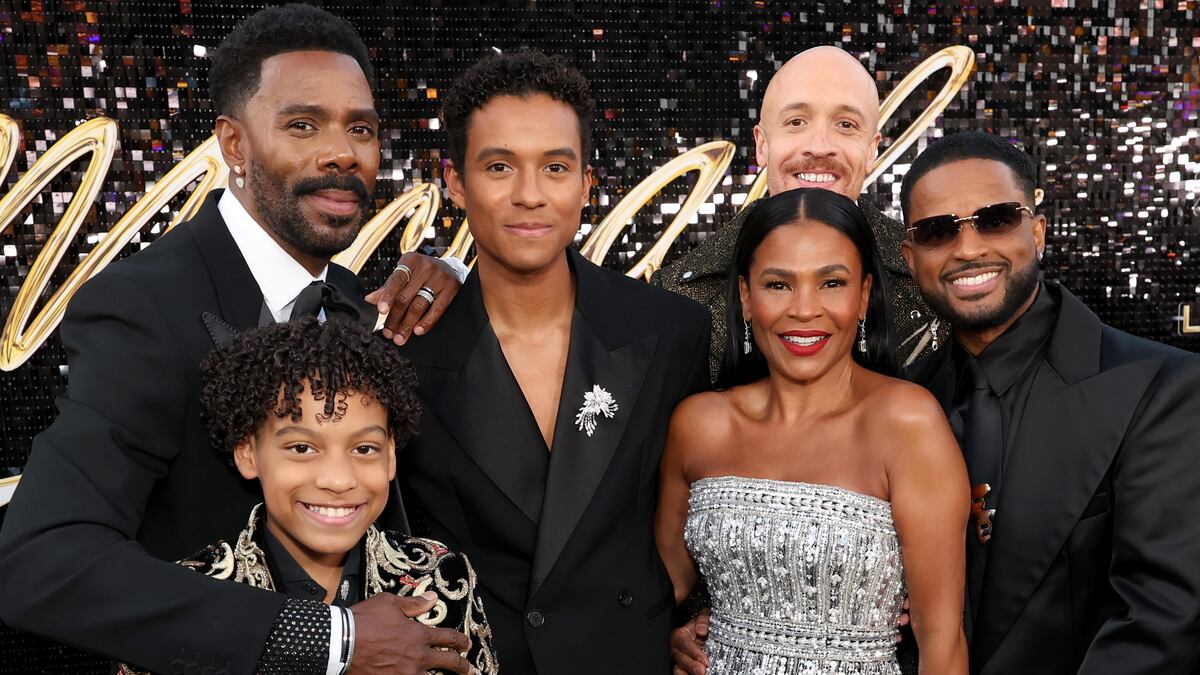
Nia Long, who portrays Michael Jackson's mother Katherine in the upcoming biopic 'Michael,' is embroiled in a behind-the-scenes dispute with production company Lionsgate over pay, according to three sources. The 55-year-old actress is 'quietly fighting' the company after discovering she was underpaid relative to her co-stars, despite a contractual clause guaranteeing equal compensation. Long's contract included a 'fair nations' agreement, designed to ensure she would be paid on equal terms with her fellow actors. However, both Colman Domingo—who plays Joe Jackson, her on-screen husband—and Miles Teller reportedly received higher salaries. Representatives for Long and Lionsgate did not respond to requests for comment.
A cryptic joke turns into a pointed remark
Long subtly alluded to the pay dispute during an appearance on the Today show to promote the film. When asked if she would return for a rumored sequel, she quipped, 'If the price is right!' What initially seemed like an ambiguous joke now appears to be a direct criticism of the production team. The comment came as the cast faced questions about the film's handling of Jackson's life, particularly the decision to end the narrative in 1988, before the first child molestation allegations surfaced in 1993. Today host Craig Melvin pressed the actors on whether the film 'whitewashed' that part of Jackson's history.
Script changes and lost screen time
Anyone who has seen 'Long appears far less than Domingo does. Much of her screen time was cut due to eleventh-hour changes in the film's third act. The original script, reviewed by Puck News, featured Long heavily in the final act, including a key scene at the end. The reworkings were costly and time-intensive, driven largely by the need to remove a depiction of Jordan Chandler, the first child to accuse Jackson of molestation in 1993. A clause in the Chandler family's settlement with Jackson forbids any portrayal of him in retellings of the pop star's life.
Cast responses to whitewashing accusations
During the Today show interview, two-time Oscar nominee Colman Domingo stumbled through his response to the whitewashing allegations. 'The film takes place from the 60s to 1988, so it does not go into...the first allegation is in, what, 2005? So basically, we center it on the makings of Michael. It’s an intimate portrait of who Michael is,' he began, before Long interjected. 'Through his eyes. Sorry, I didn’t mean to interrupt you,' she added, touching his arm. Domingo continued, 'I’m saying, through his eyes, truly. This is about the making of Michael, how he was raised, and how he was trying to find his voice as an artist and be a solo artist… That’s what I have to say about that.'
Wider context and implications
The pay dispute and script changes come amid broader scrutiny of the 'Michael' biopic, which has been accused of whitewashing the pop star's controversial life. The film's decision to end in 1988 avoids the child molestation allegations that dogged Jackson until his death in 2009. Long's contract dispute highlights ongoing issues of pay equity in Hollywood, even when contractual protections are in place. The 'fair nations' clause was meant to prevent such disparities, but its enforcement appears to have failed in this instance. The outcome of Long's quiet fight could set a precedent for how such clauses are honored in future productions.
What comes next
With no public comment from Lionsgate or Long's representatives, the resolution of the pay dispute remains uncertain. Long's public quip suggests she is not afraid to leverage her platform to address the issue. Meanwhile, the film's release will likely reignite debates about its historical accuracy and omissions. The biopic's third-act reworkings, driven by legal constraints, may affect its critical and commercial reception. As the story develops, industry observers will watch whether Long's fight leads to a renegotiation or sets a new standard for equal pay enforcement.
The bottom line
- Nia Long alleges she was underpaid on the 'Michael' biopic despite a contractual equal-pay clause, with Colman Domingo and Miles Teller earning more.
- Long's screen time was significantly cut due to last-minute script changes, including the removal of a depiction of Jordan Chandler.
- The film ends in 1988, avoiding the child molestation allegations, which has drawn accusations of whitewashing.
- Long's cryptic comment on the Today show about a sequel ('If the price is right!') is now seen as a direct shot at the production team.
- The pay dispute highlights ongoing challenges in enforcing pay equity in Hollywood, even with contractual safeguards.


Crystal Palace Stun Shakhtar Donetsk with Fastest Conference League Goal in Semi-Final First Leg

Xiaomi Opens Android 17 Developer Preview for Four Devices, Including Leica Leitzphone

Bolívar 2-0 Fluminense: Altitude and Early Strike Sink Tricolor in La Paz