U.S. Gas Prices Surge Past $4.46 as Iran War Halts Strait of Hormuz Traffic
The national average for unleaded gasoline has climbed 49% since the conflict began, with diesel in Michigan hitting a record $6.01 per gallon.
BANGLADESH —
Key facts
- National average gas price reached $4.46 per gallon on Monday, up from $2.98 on Feb. 26 before the war.
- U.S. crude oil closed at $106.42 per barrel, up 4.4%; Brent crude closed at $114.44 per barrel, up 5.8%.
- Michigan diesel hit a record $6.01 per gallon on Sunday, surpassing the 2022 record of $5.96.
- Only four ships crossed the Strait of Hormuz on Monday, down from 150 per day before the war.
- U.S. consumers are spending about $1 billion more per day on fuel since the war started, per analyst Andy Lipow.
- The Department of Energy released 17.5 million barrels from the Strategic Petroleum Reserve between March 20 and April 24.
- Seven OPEC+ countries agreed to increase production by 188,000 barrels per day starting in June.
Fuel Costs Soar as Strait Remains Closed
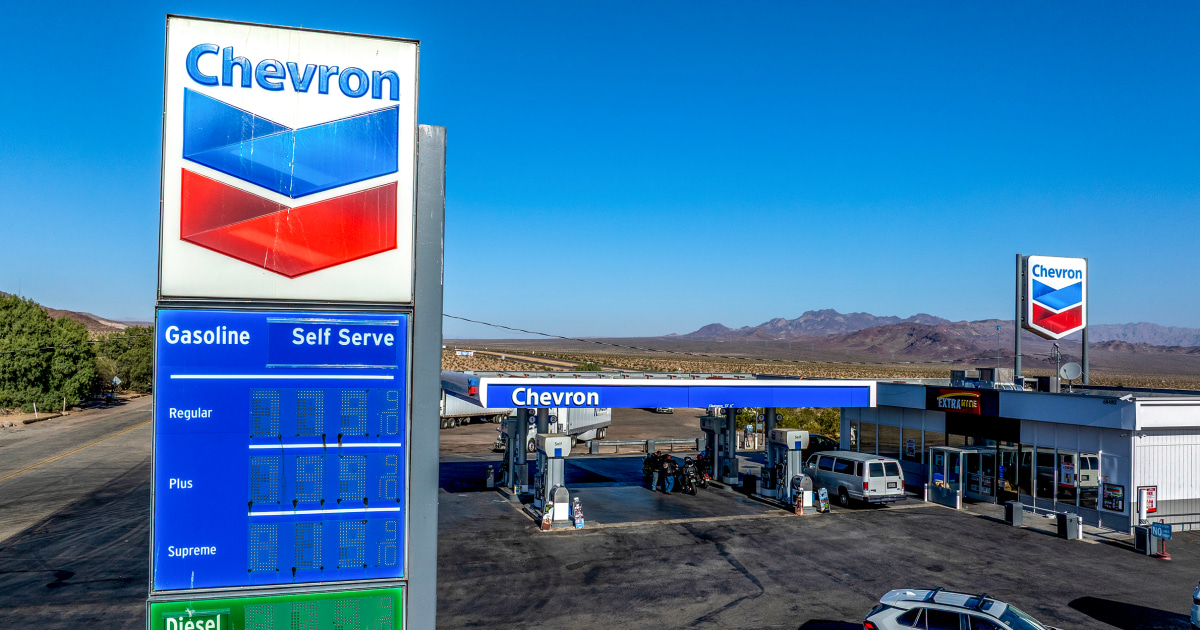
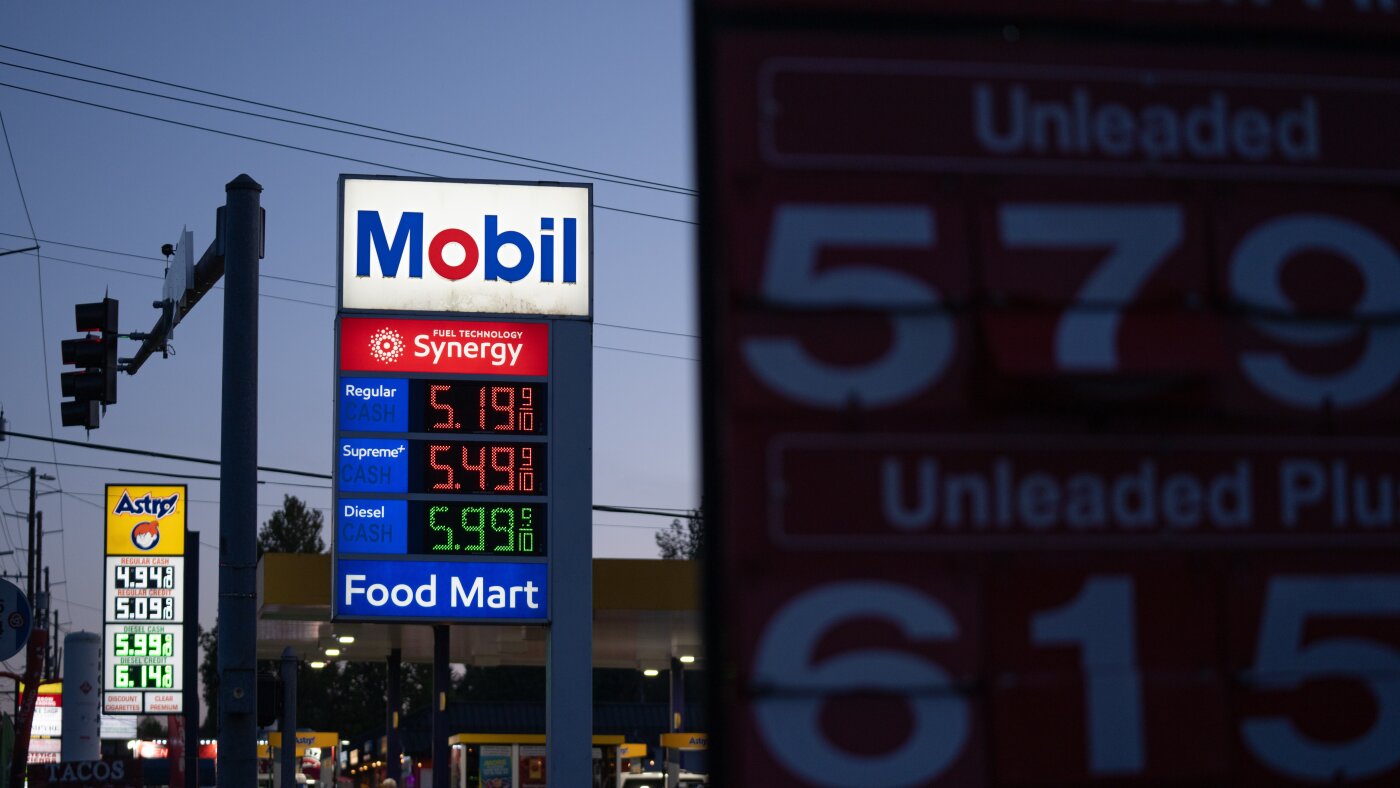
The national average price of unleaded gasoline pushed higher Monday to $4.46 per gallon, as oil futures rose after three days of declines, intensifying the direct cost of the Iran war on American consumers. U.S. crude oil closed up 4.4% at $106.42 per barrel, while international Brent crude closed higher by 5.8% at $114.44 per barrel. Wholesale gas prices also jumped 3%. Since the Iran war began in late February, the national average price of unleaded gas has risen 49%. A week ago, the average stood at $4.099; a year ago it was $3.171.t since late July 2022.
Strait of Hormuz Traffic Grinds to a Halt
The renewed rise in oil prices came despite President Donald Trump announcing a plan Sunday dubbed "Project Freedom," under which the United States will "guide" commercial vessels through the Strait of Hormuz. More than 20% of the world's oil supplies typically transit the strait daily, but the war has halted that traffic. Trump's announcement appeared to fall short of naval escorts, which shipping companies and insurers say are what would be required for them to send their ships through the waterway again. Traffic in the strait nudged upward Friday, when 19 vessels crossed, and then declined over the weekend, according to data from S&P Global. On Monday, just four ships in total crossed the strait. The traffic is still a small fraction of what it was before the war, when 150 ships would regularly cross each day. As of Monday morning, the shipping industry had not received details or guidance regarding "Project Freedom," said Jakob Larsen, chief safety and security officer with the Baltic and International Maritime Council (BIMCO), which counts more than 2,000 shipping companies among its members.
Shipping and Insurance Sectors Remain Cautious
Larsen told NBC News it was unclear Monday whether Trump's "Project Freedom" plan was intended to be in place for the long run or whether it would be a limited operation to get some of the trapped ships out. "The overall security situation for the shipping industry is currently unchanged, and our advice is for all shipowners to continue carrying out thorough risk assessments," he added. Global shipping giant Hapag-Lloyd told NBC News in an email Monday that its risk assessment of the situation in the strait remained unchanged and the strait remained closed for transit of its vessels. There were also new questions this weekend about a U.S. government program launched last month with the goal of helping insurers write policies to cover ships near the strait. On Saturday, Berkshire Hathaway, one of the world's largest insurers, said that it had yet to write a single insurance policy under the program because it was still too dangerous.
Diesel Record in Michigan Signals Broader Economic Pain
Michigan set a record for diesel fuel prices Sunday, with AAA reporting an average of $6.01 per gallon statewide. This beat the 2022 record of $5.96 per gallon, according to analyst Patrick De Haan of GasBuddy. Sunday's diesel average climbed 88 cents from last week and more than a dollar since the beginning of April. Michigan's average for regular gas on Sunday topped $4.87 per gallon, while mid-grade fuel averaged $5.42 and premium averaged $5.98. GasBuddy's average of $4.86 for regular gas in Michigan had the state as the ninth-most expensive Sunday. Gas was most expensive in Kalamazoo ($4.94), Grand Rapids ($4.93) and Lansing ($4.89), while Detroit had an average of $4.83 per gallon. Diesel prices affect construction, farming and trucking; higher diesel costs for farming and trucking industries affect food costs, GasBuddy said. "Higher fuel costs mean higher shipping costs for everything we buy,"."More expensive diesel hits farm budgets and drives up food costs."
Analysts Warn of Weeks or Months Before Peak
De Haan said Sunday's diesel surge was a "perfect storm" of tight refining capacity, freight demand and global supply disruptions. Diesel inventories are below seasonal norms, meaning the market is vulnerable to refinery outages or shipping delays. He noted that the price surge was driven by fears that oil shipments will continue to be hampered in the Strait of Hormuz as the United States and Israel wage war with Iran, along with declining gas inventories and the temporary closure of three refineries in Illinois and Indiana earlier in the week. Kevin Book, co-founder of ClearView Energy Partners, told NPR that prices could keep rising until demand capitulates. "When inventories are low and you can't get oil out of the ground or out of the strait, you should expect prices to keep rising at least until demand capitulates and starts to contract," Book said. "So, we may be weeks or even months, depending on how long the strait stays closed, from the peak of prices from this crisis." Book added that it could take months for ships trapped in the strait to get through, damaged facilities to be repaired, and inventories to be replenished before gas prices return to normal. He predicted that if gas prices were to fall fast, the reason would "probably be a bad one, not a good one" — likely a recession undercutting demand.
Government and OPEC+ Responses Fall Short
Between the weeks of March 20 and April 24, the Department of Energy released 17.5 million barrels of crude oil from the U.S. Strategic Petroleum Reserve in an effort to curb high fuel prices stemming from the war, according to data from the U.S. Energy Information Administration. Seven countries within the OPEC+ group on Sunday announced they agreed to increase production by 188,000 barrels per day starting in June as a commitment to "market stability." Higher prices at the gas pump are also impacting Americans' wallets amid a weakened U.S. dollar. The U.S. dollar depreciated about 10% from early January 2025 to the end of April 2026 — with losses in the first half of 2025 being the biggest since 1973, according to an analysis by Morgan Stanley. President Trump has promised that when the war in Iran ends, gas prices will "drop like a rock," but it is unclear when the war will end, and even when it does and the Strait of Hormuz is reopened, gas prices could still remain high, according to experts.
Stocks Fall as Uncertainty Grips Markets
Stocks fell Monday as investors tried to parse the uncertainty. The S&P 500 fell 0.4%, the Nasdaq fell 0.2%, and the Dow tumbled 557 points. The broader economic impact is already being felt: U.S. consumers are now spending around $1 billion more per day in higher fuel costs than they were before the start of the war, according to longtime oil industry analyst Andy Lipow. $550 million of that comes from gas prices alone, but it also reflects a sharp rise in the price of jet fuel, diesel and other energy products. Even with the spike, De Haan noted that Michigan's gas tax rate that went into effect at the beginning of the year makes the average price lower than if the spike had happened in 2025. Michigan's 52.4 cents per gallon tax replaced the old 6% state gas tax Jan. 1. "Diesel prices today are ~13.6c/gal LOWER than they'd have been under Michigan's old 6% sales tax model prior to this year," De Haan posted on X Sunday. Regular gas in Michigan averaged $4.87 on Sunday, 1 cent lower than Saturday.
The bottom line
- The Iran war has driven U.S. gas prices up 49% since late February, with the national average reaching $4.46 per gallon.
- Strait of Hormuz traffic has collapsed to just four ships per day, down from 150, and shipping firms remain unwilling to transit without naval escorts.
- Michigan diesel hit a record $6.01 per gallon, threatening to raise costs for construction, farming, and food prices.
- U.S. consumers are spending an extra $1 billion per day on fuel, with $550 million from gasoline alone.
- Government measures — including a Strategic Petroleum Reserve release and OPEC+ production increases — have so far failed to stem the price surge.
- Analysts warn that prices may continue rising for weeks or months, and a rapid decline could signal a recession rather than a resolution.



Aaron Hardie's all-round heroics end Peshawar Zalmi's nine-year PSL title drought
Palmeiras and Santos Battle to 1-1 Draw in Thrilling Derby at Allianz Parque