Cleaner Air Paradox: Pollution Curbs Dim Marine Clouds, Accelerating Ocean Warming
A new study reveals that tighter pollution controls have reduced cloud reflectivity across vast ocean regions, causing more solar energy to reach the sea surface and driving faster-than-expected warming.

CANADA —
Key facts
- Marine cloud reflectivity has dropped by roughly 2.8% per decade across the North Atlantic and Northeast Pacific.
- The two ocean regions cover about one-seventh of Earth's surface.
- Dr. Knut von Salzen of the University of Washington led the study.
- The decline is linked to reduced airborne aerosols from pollution controls.
- NASA's CERES EBAF dataset documented the drop in reflected shortwave radiation.
- The 'clean air paradox' means cleaner air may be contributing to faster ocean warming.
- Catering and fireworks were the main sources of particle pollution at the 2022 Commonwealth Games.
- Traffic management at the Games successfully minimized vehicle-related pollution.
A Surprising Climate Trade-Off
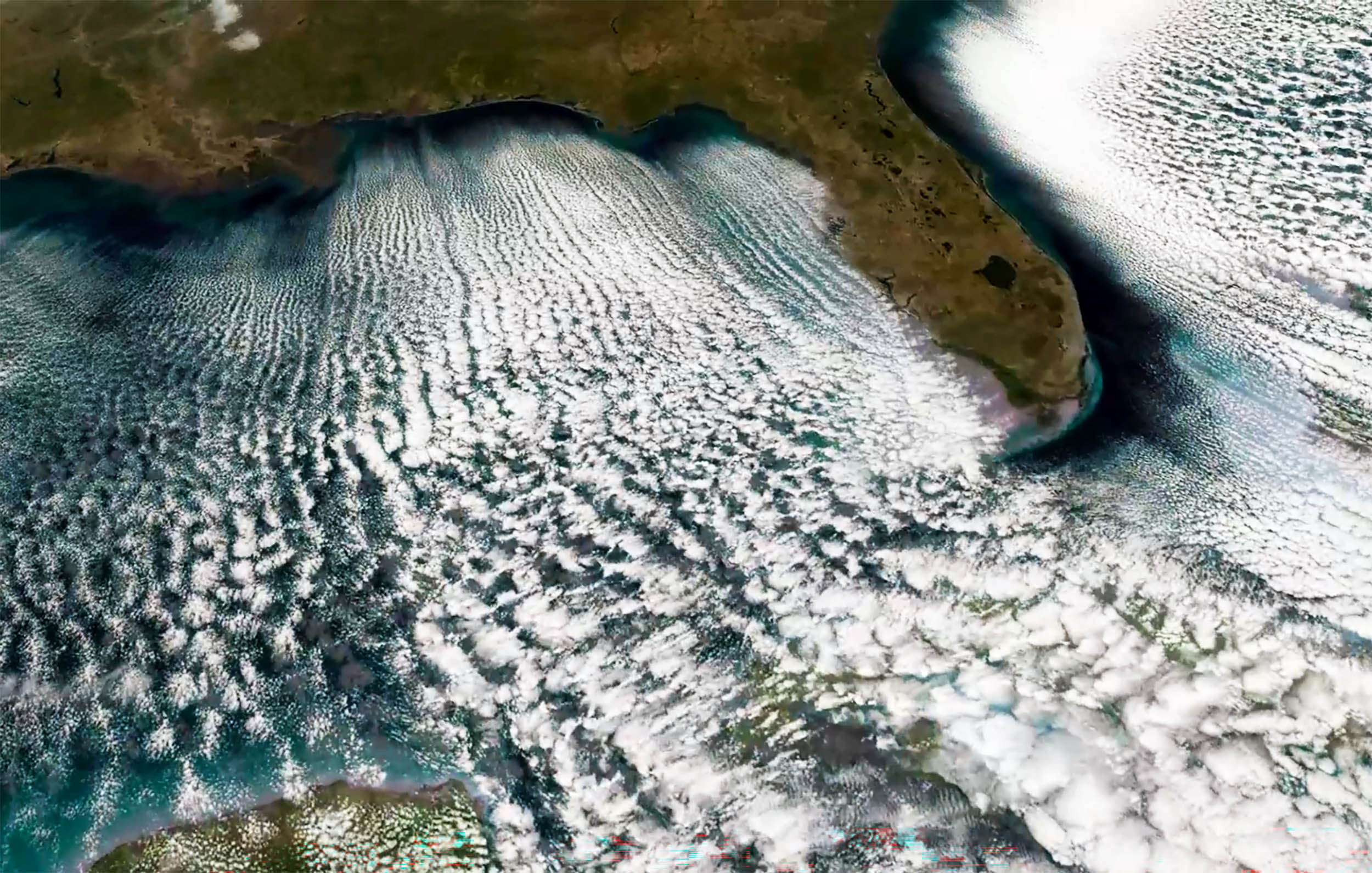
Scientists have determined that cleaner air, a goal of decades of environmental policy, is inadvertently making marine clouds dimmer and oceans warmer. The finding, published by a team led by Dr. Knut von Salzen at the University of Washington, reveals a climate trade-off dubbed the 'clean air paradox.' Marine cloud reflectivity has dropped by roughly 2.8 percent per decade across the North Atlantic and Northeast Pacific. Together, those regions span about one-seventh of the planet’s surface, making even small changes in brightness significant on a global scale. In simple terms, fewer air particles produce dimmer clouds, which means less sunlight is reflected into space. The shortwave energy that used to be reflected by clouds now reaches the sea surface, leading to ocean temperatures rising faster than ever before.
How Aerosols Shape Cloud Brightness
Airborne aerosols, tiny particles that seed cloud droplets, have declined as pollution controls tightened. With fewer particles, droplets grow larger, and clouds lose some brightness and tend to rain out sooner. Clouds play a major cooling role by reflecting sunlight back into space – a property known as albedo. Low clouds over cooler oceans handle much of this job. But satellite data now reveal a subtle shift: the cloud radiative effect – the net change in energy caused by clouds – has weakened as marine clouds brightened less and covered less area. Measurements from NASA’s CERES EBAF dataset show a steady drop in reflected shortwave radiation in these regions. The team zeroed in on the Northeast Pacific and North Atlantic, where ocean temperatures have risen rapidly over the past two decades.
Implications for Climate Forecasts
The finding helps explain why recent ocean warming has outpaced many forecasts. It points to a simple cause driven by complex physics. 'We may be underestimating warming trends because this connection is stronger than we knew,' said Dr. von Salzen. The study suggests that as air quality improves, the warming effect from reduced cloud reflectivity could become a more significant factor in global climate models. Even a modest decline in cloud reflectivity can translate into a measurable boost in global warming. The two basins cover roughly 14 percent of Earth’s surface, amplifying the impact.
Pollution from Sporting Events: A Different Perspective
While cleaner air has unintended consequences on a global scale, local pollution from large events remains a pressing issue. Research conducted at the 2022 Commonwealth Games in Birmingham found that catering and fireworks were the main causes of particle pollution around the stadium. About 6,000 athletes from 72 countries and nearly 3 million people attended the Games, making it the UK’s largest sporting event since the 2012 London Olympics. More than 300,000 spectators went to the Alexander Stadium for athletics events and ceremonies. Dr Joe Acton from the University of Birmingham, who measured pollution using an electric van packed with instruments, said: 'The main surprise was particle pollution in the fan areas around the stadium. For a spectator attending a full day of events, their daily exposure would be more than doubled.'
Catering and Fireworks: Unexpected Culprits
Particle pollution peaked before each stadium session, and reached a maximum just before the closing ceremony, when it was 10 times greater than other parts of the city. The main source was not traffic but catering, which was dominantly fast-food including burgers, hotdogs and stir-fries. Other research, including a study of the UK’s 'eat out to help out' scheme, has shown particle pollution from catering and restaurants, mainly from frying. The catering pollution was greatest before the opening and closing ceremonies but fell quickly as spectators took their seats. There was then a second pollution peak during the firework displays. During the athletics events, a different pattern emerged with prolonged pollution as people visited catering outlets throughout the sessions.
Successes in Traffic Management
There were two notable air pollution successes at the Games. 'There was little detectable impact from Games traffic,' said Acton. 'The traffic management during the Birmingham Commonwealth Games worked from an air quality perspective. This likely reflects the emphasis on park and ride sites and public transport.' Stadium access was limited to a small number of vehicles used to transport athletes and officials. Event tickets included free public transport, with walking routes to the venues and free cycle hire and cycle parking. Prof William Bloss, who led the University of Birmingham team, said: 'As well as impacting staff and spectators, poor air will also impact athletic performance, making it an important issue for organisers of events like the Commonwealth Games – and for athletes seeking records.'
Lessons for Future Events and Policy
Bloss noted there were 34 venues in the UK with a capacity greater than that of Alexander Stadium. 'Event organisers should consider the impact of cooking from concession stands, particularly for staff and volunteers who may be exposed for multiple days.' The findings from both the climate study and the Games research highlight the complex interplay between air pollution and environmental outcomes. While reducing pollution is essential for health, it can have unforeseen effects on cloud physics and ocean warming. As large-scale sporting events approach this summer, including the men’s football World Cup in the US, Canada and Mexico and the Commonwealth Games in Glasgow, organizers face the challenge of managing local pollution while being aware of broader climate implications.
The bottom line
- Cleaner air reduces marine cloud reflectivity, allowing more solar energy to reach the ocean surface and accelerating warming.
- The decline in cloud reflectivity is measured at 2.8% per decade across the North Atlantic and Northeast Pacific.
- Reduced aerosols from pollution controls lead to larger cloud droplets that are less reflective and rain out sooner.
- At the 2022 Commonwealth Games, catering and fireworks were the dominant sources of particle pollution, not traffic.
- Effective traffic management can significantly reduce pollution from large events, as demonstrated by the Games' park-and-ride and public transport systems.
- Event organizers should consider the air quality impact of concession cooking, especially for staff and volunteers exposed over multiple days.




Michael Schumacher's manager hits back at Todt's 'malicious intent' claims

Marta Kostyuk Stuns Mirra Andreeva to Win First WTA 1000 Title in Madrid

Lost Oscar Found: Lufthansa Locates Statuette Forced Into Checked Luggage
