Alysha Newman, Olympic bronze medalist, banned 20 months for missed drug tests
The Athletics Integrity Unit accepted that the Canadian pole vaulter had ended her career, reducing her suspension from the standard two years.
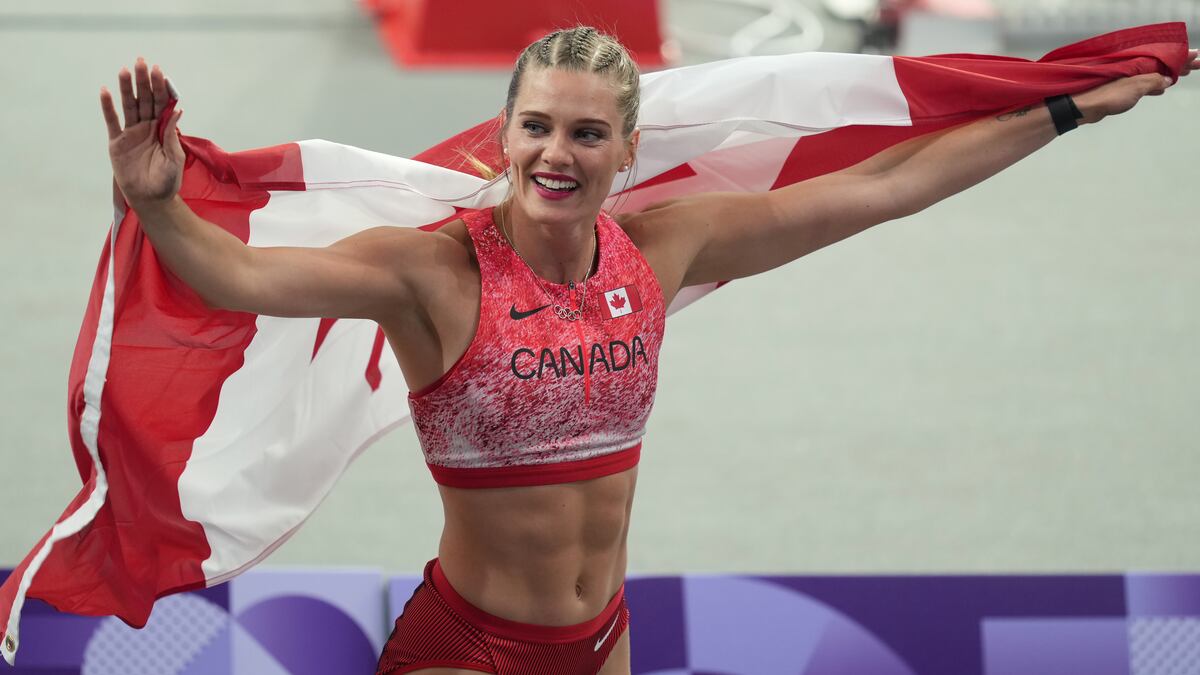
CANADA —
Key facts
- Alysha Newman, 31, won bronze for Canada at the 2024 Paris Olympics.
- She was banned for 20 months on Friday for three whereabouts failures in 12 months.
- The AIU accepted she had ended her career, calling it a 'sufficiently unique/exceptional factor'.
- Newman missed an unannounced doping control in February 2024 and twice in August 2024.
- At the third incident, she told a sample collection official she had to leave for a TV game show filming.
- Her suspension expires in August 2027.
- She last competed at Diamond League meetings in Qatar and Morocco in May 2024.
- Newman also competed in two world championships finals and won medals at Commonwealth and Pan American Games.
A career cut short by administrative failures
Olympic bronze medalist Alysha Newman was handed a 20-month ban on Friday for three missed drug tests, a punishment that effectively closes the chapter on her pole vaulting career. The Athletics Integrity Unit, track and field’s independent watchdog, accepted that the 31-year-old Canadian had already decided to retire, a factor that reduced her suspension from the standard two-year term. Newman, who captured bronze at the 2024 Paris Games, last competed at Diamond League meetings in Qatar and Morocco in May 2024. She has not appeared in any sanctioned event since, and the AIU’s verdict noted that she informed officials of her decision to end her athletic pursuits.
Three whereabouts failures in 12 months
Under the global anti-doping system, athletes must specify a one-hour window each day when they are available for unannounced testing. Newman was unavailable for a doping control in February 2024 and twice more in August 2024, according to the AIU. Three such failures within a 12-month period constitute an anti-doping rule violation. At the third incident, the AIU said in its published verdict that Newman told a sample collection official she “had to leave immediately to participate in the filming of a television game show.” The explanation did not satisfy the requirement for availability, triggering the violation.
A reduced penalty for a retired athlete
The standard sanction for whereabouts failures is a two-year ban, but the AIU deemed Newman’s case exceptional. The unit stated that her decision to end her career “is a sufficiently unique/exceptional factor that may be considered in assessing her level of fault in the matter.” As a result, the suspension was set at 20 months, expiring in August 2027. The AIU’s acceptance of retirement as a mitigating factor is rare. The ruling suggests that Newman’s lack of intent to compete further reduced her culpability, though the violations still warranted a significant penalty.
A decorated career beyond the Olympics
Newman’s achievements extend beyond her Olympic bronze. She competed in two world championships finals, won gold and bronze at the Commonwealth Games, and took bronze at the Pan American Games. Her bronze in Paris marked Canada’s first Olympic medal in women’s pole vault since 2012. Despite her retirement, the ban means she cannot return to competition even if she changes her mind before August 2027. The suspension applies to all sports under the World Anti-Doping Code.
What the ruling means for anti-doping enforcement
The case highlights the tension between strict liability for whereabouts failures and the realities of athletes transitioning out of sport. While the AIU acknowledged Newman’s retirement, it still imposed a substantial ban, reinforcing that athletes remain subject to testing until formally retired. The 20-month suspension also serves as a warning: even those who have stepped away must comply with whereabouts requirements until their retirement is officially recognized. Newman’s situation underscores the importance of timely notification to avoid violations.
Unanswered questions and the road ahead
It remains unclear when Newman formally notified the AIU of her retirement. The verdict did not specify whether she had filed retirement paperwork before or after the third missed test. This ambiguity could affect how future cases are adjudicated. For now, Newman’s competitive career is over, and her legacy includes both an Olympic medal and a ban for procedural failures. The AIU’s decision may set a precedent for how similar cases involving retired athletes are handled, balancing fairness with the integrity of the anti-doping system.
The bottom line
- Alysha Newman received a 20-month ban for three missed drug tests, reduced from two years because she had ended her pole vaulting career.
- The missed tests occurred in February and August 2024; the third was due to her leaving for a TV game show filming.
- Newman won Olympic bronze in 2024 and has medals from Commonwealth and Pan American Games.
- The AIU considered her retirement a 'sufficiently unique/exceptional factor' in reducing the penalty.
- The suspension expires in August 2027, barring her from competition until then.
- The case underscores the strict whereabouts requirements athletes face even when nearing retirement.


LaCombe's Defensive Mastery and Ducks' Offensive Surge Power Anaheim's First-Round Upset of Oilers

Montreal Canadiens on brink of first playoff series win since 2021 as they host Lightning in Game 6

Gill and Buttler Power Gujarat Titans to Four-Wicket Win Over Royal Challengers Bengaluru
