Apple Discontinues $599 Mac Mini as AI Demand Strains Supply
The entry-level Mac mini with 256GB of storage has vanished from Apple's online store, pushing the starting price to $799 amid a global memory chip shortage and surging demand for AI-capable desktops.
CANADA —
Key facts
- Apple removed the 256GB Mac mini configuration from its online store worldwide as of May 1, 2026.
- The Mac mini now starts at $799 with 512GB of storage, up from $599 previously.
- CEO Tim Cook said on the April 30 earnings call that Mac mini and Mac Studio demand has outpaced supply and will take 'several months' to balance.
- Cook attributed the demand to the devices being 'amazing platforms for AI and agentic tools.'
- The 256GB model had been unavailable to order for roughly two weeks before being delisted.
- Apple is facing a global memory chip shortage and expects 'significantly higher memory costs' this quarter.
- The Mac mini with M4 Pro chip already had a minimum 512GB storage, so its pricing is unchanged.
- Apple also stopped offering the Mac Studio with 512GB of RAM in March 2026.
The $599 Mac Mini Vanishes
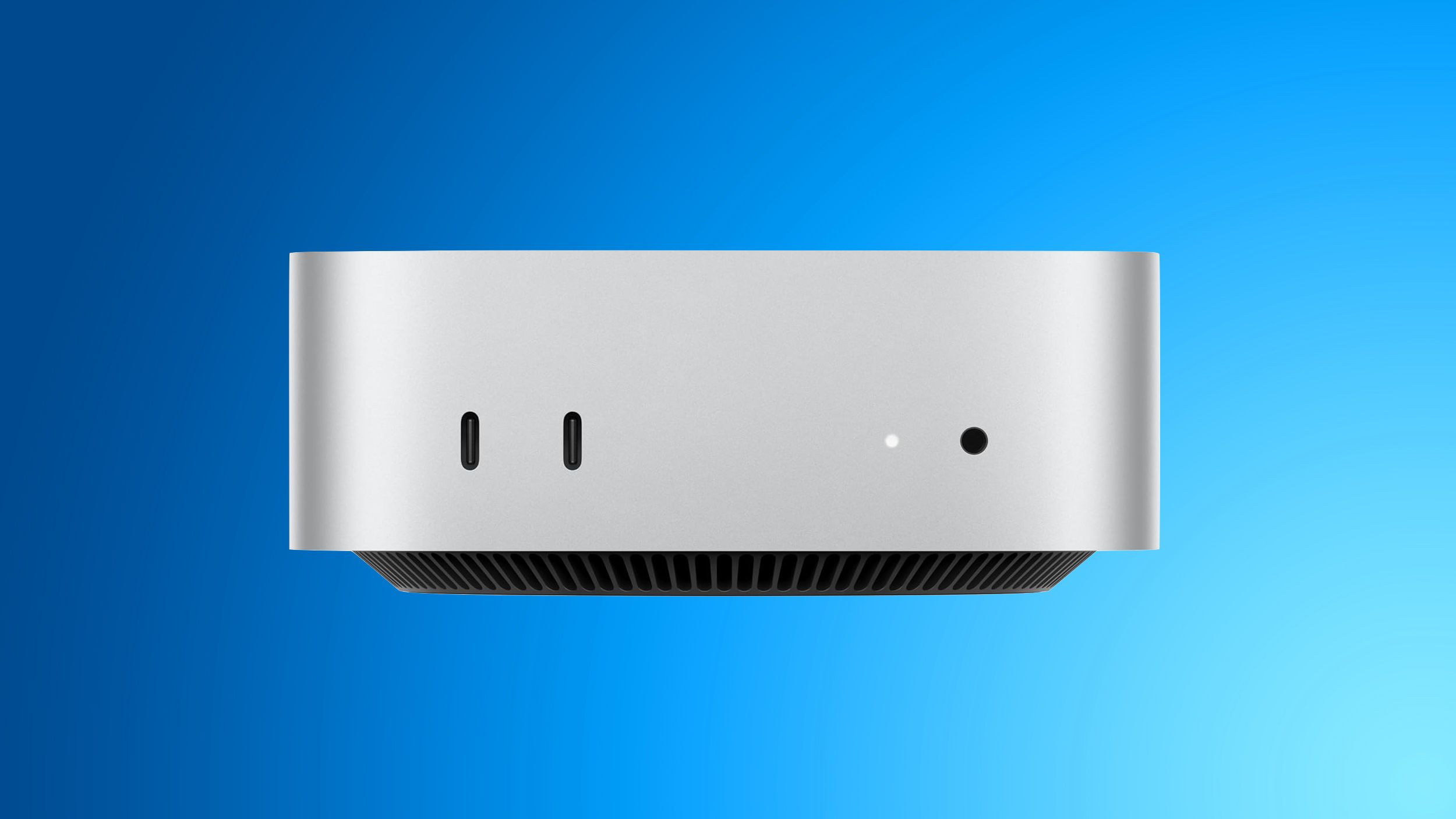
Apple has quietly removed the 256GB storage configuration of the Mac mini from its online store worldwide, effectively raising the entry price for its most affordable desktop computer by $200. The $599 model, which launched with the M4 chip on October 29, 2024, is no longer listed on Apple's primary U.S. store, its education and military storefronts, or any international site. As of May 1, the cheapest Mac mini available directly from Apple costs $799, which includes 512GB of storage and 16GB of RAM. While that configuration has always been priced at $799, the disappearance of the lower-tier option means customers can no longer buy a new Mac mini for $599. The 256GB model had been out of stock for roughly two weeks before being delisted entirely. Refurbished units with 256GB storage occasionally appear, but inventory is limited and inconsistent, offering no reliable alternative for budget-conscious buyers.
AI Demand Outstrips Supply, Cook Says
During Apple's fiscal second-quarter earnings call on April 30, 2026, CEO Tim Cook acknowledged that the Mac mini and Mac Studio are facing severe supply constraints. 'The customer recognition of that is happening faster than what we had predicted,' Cook said, referring to the devices' capabilities for artificial intelligence workloads. 'And so we saw higher-than-expected demand.' Cook described both Macs as 'amazing platforms for AI and agentic tools,' a category that includes open-source autonomous agents like OpenClaw, which drove a surge in interest earlier this year. He warned that it could take 'several months' for Apple to achieve supply-demand balance for these products. The company is also grappling with a global memory chip shortage, driven by companies building out AI server infrastructure. Cook said Apple expects 'significantly higher memory costs' in the current quarter, and tight RAM availability is likely forcing difficult business decisions.
A Global Memory Crunch and Rising Costs
The removal of the 256GB Mac mini coincides with a broader memory chip shortage that has affected the entire electronics industry. Apple's decision to discontinue the lowest-storage configuration appears to be a direct response to constrained supply of NAND flash memory and rising component prices. In March, Apple also stopped offering the Mac Studio with 512GB of RAM, another sign that memory availability is tightening across its desktop lineup. The Mac mini with the M4 Pro chip already had a minimum of 512GB of storage, so those configurations remain unchanged. For Apple, eliminating the $599 model not only simplifies the lineup but also pushes buyers toward higher-priced configurations, supporting higher average selling prices. The move comes as the company faces pressure to maintain margins amid rising input costs.
The Mac Mini's New Role in Apple's Lineup
With the $599 Mac mini gone, the entry point into macOS now shifts to the MacBook Neo, which starts at a lower price point but offers a laptop form factor. The Mac mini, once positioned as the most affordable Mac, now starts at $799 in most purchasing scenarios. When the M4 Mac mini launched last October, Apple marketed it as 'the mini-est, most affordable Mac with mighty performance.' That tagline no longer applies to the base configuration. The $799 model, while not a price increase for the 512GB version, effectively raises the barrier for customers who want a desktop Mac without spending nearly $800. Whether the change is temporary or permanent remains unclear. Apple has not commented on the delisting, and the company did not respond to requests for information.
What Comes Next for the Mac Mini
Industry analysts and Apple-focused media have pointed to a possible Mac mini update later in 2026, but exact timing is uncertain. The current supply constraints may affect the launch of any new models, as Apple's supply chain remains under pressure from the memory shortage and elevated demand. For now, customers seeking a new Mac mini must choose from configurations starting at $799, with extended shipping delays reported across the lineup. The base model's disappearance suggests Apple is prioritizing higher-margin units while components are scarce. The episode underscores a broader shift: as AI workloads move to local devices, compact desktop computers like the Mac mini are finding new relevance — but that demand is colliding with a global shortage of the very chips they need to function.
The bottom line
- Apple has discontinued the $599 Mac mini with 256GB storage, raising the entry price to $799.
- CEO Tim Cook cited higher-than-expected demand for AI and agentic tools as the cause of supply constraints.
- A global memory chip shortage and rising RAM costs are pressuring Apple's product configurations.
- The Mac mini and Mac Studio face months of supply-demand imbalance.
- The change may be temporary or permanent; Apple has not commented on future plans.
- The MacBook Neo now serves as the cheapest entry point into macOS, not the Mac mini.
/article-new/2026/01/mac-mini-blue.jpeg)

Raptors face elimination without Ingram as heel injury sidelines star forward
Raptors Face Elimination Without Ingram After Heel Injury

Lakers' Offense Stalls as Rockets Force Game 6, Threatening Historic Comeback