Blue Dot Fever Grips Music Industry Amidst Tour Cancellations
Artists are increasingly pulling the plug on tours, citing unsold tickets represented by Ticketmaster's notorious blue dots.
CANADA —
Key facts
- The Pussycat Dolls recently canceled tour dates due to lagging ticket sales.
- Meghan Trainor and Zayn abandoned all of their US arena dates.
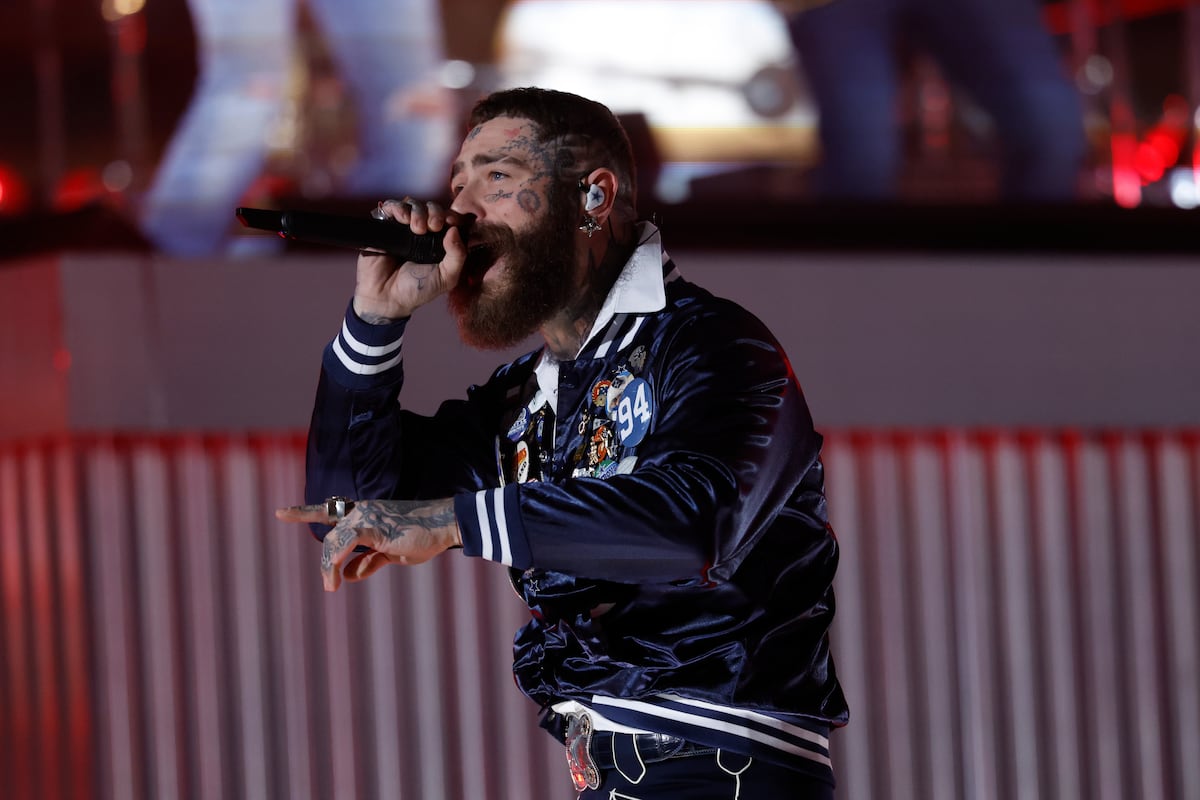
- Post Malone and Jelly Roll canceled one-third of their US stadium tour.
- Average concert ticket prices have risen significantly since 2020.
- Rising gas prices impact tour profit margins.
- Live Nation, Ticketmaster's parent company, was found guilty of monopolistic practices.
- The FIFA World Cup presents significant entertainment competition.
The Spreading Epidemic of Unsold Seats
A growing trend of concert and tour cancellations is casting a shadow over the music industry, prompting widespread social media discussion and media attention. This phenomenon, increasingly referred to as "blue dot fever," takes its name from the stark visual representation of unsold seats on Ticketmaster's ticketing platform. The blue dots, once a minor inconvenience, now symbolize a significant economic challenge for artists and promoters alike. The latest act to fall victim to this trend is The Pussycat Dolls, who have canceled swaths of their US arena and stadium tour. While they publicly attributed the cancellations to poor sales, their situation mirrors that of several other prominent musicians. This unfolding crisis highlights a precarious moment for live music, where the economics of touring are becoming increasingly untenable for a range of artists.
High-Profile Cancellations Signal Industry Strain
The list of artists grappling with ticket sales woes is growing. Meghan Trainor and Zayn have both recently abandoned their entire US arena tours, a drastic measure indicating substantial difficulties in filling venues. Similarly, Post Malone and Jelly Roll were compelled to shut down one-third of their co-headlining US stadium tour, a move that underscores the severity of the situation. These cancellations, while sometimes publicly attributed to sales, often occur when venues appear more empty than a typical weekday office. The visual of vast unsold sections, marked by Ticketmaster's blue dots, has become a potent symbol of the industry's current struggles. The financial implications for artists, beyond the direct loss of revenue, are substantial, impacting future booking opportunities and overall career momentum.
Economic Pressures Mount on Touring Artists
Several converging economic factors are contributing to the rise of "blue dot fever." The cost of attending live music events has seen a dramatic increase, with the average concert ticket price climbing from $82 in 2020 to $115 last year, and projected to reach $144 in 2026. This escalating price point may be alienating potential concertgoers. Simultaneously, the operational costs for tours have surged. The significant rise in gas prices, exacerbated by geopolitical events such as the Iran war, directly impacts the profitability of tours that depend heavily on transportation to move equipment and personnel between cities. These financial headwinds create a challenging environment where the margins for live music performances are shrinking, making it harder for artists to recoup their investments.
Market Dominance and Competition Compound Woes
Adding another layer of complexity to the music industry's challenges is the market dominance of Live Nation, Ticketmaster's parent company. Just three weeks prior to these widespread cancellations gaining significant attention, a jury found Live Nation guilty of operating as a monopoly. This ruling raises questions about fair competition and pricing within the ticketing and live event landscape. Furthermore, the entertainment calendar this summer is particularly crowded. The FIFA World Cup, being hosted in North America, presents a formidable competitor for consumer attention and disposable income, potentially diverting audiences away from concerts. The confluence of monopolistic practices, rising costs, and intense competition creates a perfect storm for artists attempting to navigate the current touring market.
The Future of Live Music in Question
The "blue dot fever" phenomenon raises profound questions about the sustainability of current touring models. As ticket prices continue to climb and operational costs escalate, artists face an increasingly difficult balancing act. Will artists adapt by scaling back tours, exploring alternative revenue streams, or demanding greater transparency and fairness from ticketing platforms? The industry's response to these mounting pressures will shape the future of live music for years to come. The current climate suggests a period of significant adjustment is imminent, forcing stakeholders to re-evaluate the viability and structure of live performances in an evolving economic and competitive landscape.
The bottom line
- The term 'blue dot fever' describes the increasing trend of concert tour cancellations due to poor ticket sales.
- Several high-profile artists, including The Pussycat Dolls, Meghan Trainor, Zayn, Post Malone, and Jelly Roll, have recently canceled tour dates.
- Rising average ticket prices and increased transportation costs are significant economic pressures on touring artists.
- Live Nation's recent guilty verdict for monopolistic practices adds a layer of regulatory scrutiny to the industry.
- Competition from major sporting events like the FIFA World Cup is impacting audience availability for concerts.
- The current challenges may force a reevaluation of the traditional concert touring business model.





Canadiens Open Playoff Series Against Sabres Amidst Cup Aspirations

Jack Antonoff Accuses Ticketmaster of Catching Itself in Scalping Sting