Captain Kennedy House Tea Room Reopens in St. Andrews After $1.4 Million Restoration
The historic site, closed for more than a decade, once again serves tea and scones as visitors explore its preserved 19th-century interiors.
CANADA —
Key facts
- The Captain Kennedy House Tea Room and Museum in St. Andrews, Manitoba, reopened in April 2026 after over 10 years of closure.
- The restoration project cost approximately $1.4 million.
- The site is a well-known piece of Manitoba history, originally built in the 19th century.
- The reopening marks the return of clatter of dishes and chatter of friends catching up over a meal.
- The provincial government oversaw the reopening after repairs and preservation work.
- The tea room and museum are now welcoming visitors once again.
A Historic Tea Room Welcomes Guests Again
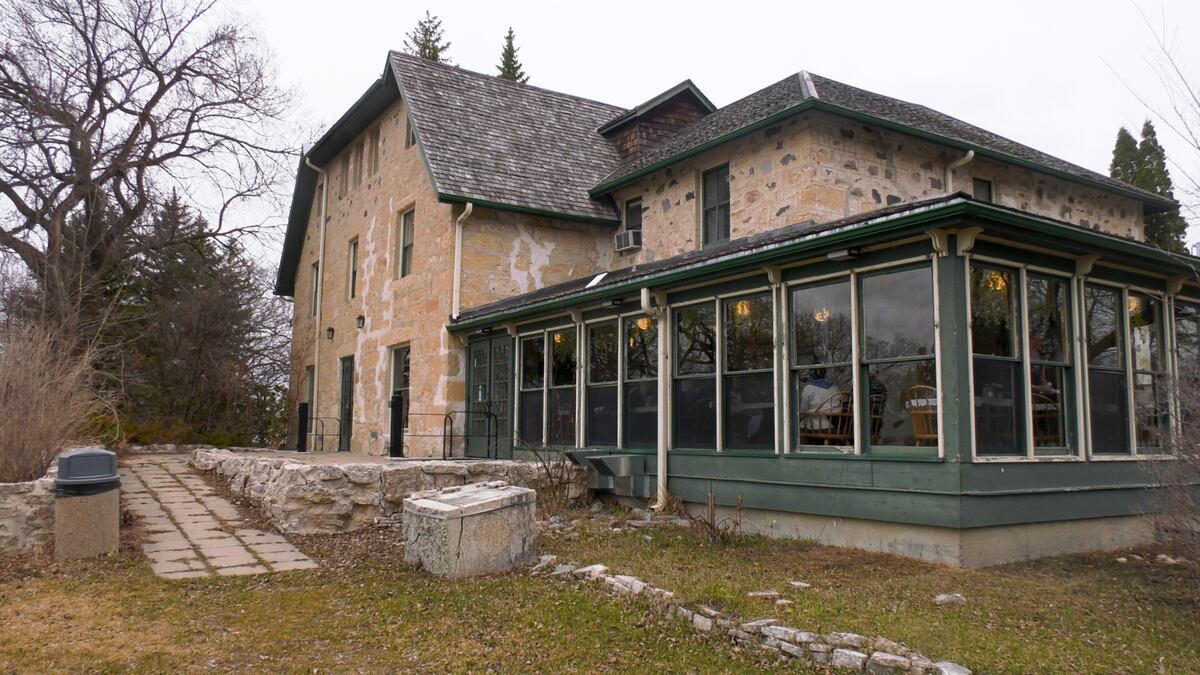
The clatter of dishes and the chatter of friends catching up over a meal have returned to a tea room in St. Andrews, Manitoba, for the first time in more than 10 years. The Captain Kennedy House Tea Room and Museum, a well-known piece of Manitoba history, has reopened its doors after a protracted closure for repairs and preservation. The provincial government announced the reopening on April 29, 2026, marking the end of a decade-long hiatus.
Restoration Cost $1.4 Million
The restoration of the Captain Kennedy House required an investment of about $1.4 million. The funds were allocated to structural repairs, interior preservation, and the refurbishment of the tea room facilities. The project aimed to restore the building to its original 19th-century character while ensuring modern safety and accessibility standards.
A Decade of Closure and Preservation Work
The tea room and museum had been closed for more than 10 years due to the need for extensive repairs and preservation work. During this period, the building underwent careful restoration to address structural issues and protect historical features. The prolonged closure reflected the complexity of maintaining a heritage property while adhering to modern building codes.
Provincial Government Role in Reopening
The provincial government oversaw the reopening of the Captain Kennedy House, emphasizing its significance as a cultural and historical asset. Officials highlighted the site's importance to local heritage and tourism. The government's involvement included funding and coordination of the restoration efforts, which were completed in time for the 2026 spring season.
A Gathering Place Returns to St. Andrews
The reopening brings back a cherished gathering spot for the community of St. Andrews, a rural municipality north of Winnipeg. The tea room has historically served as a social hub where residents and visitors could enjoy meals and conversation. The return of dining and museum tours is expected to boost local tourism and provide a venue for community events.
Preserving History for Future Generations
The Captain Kennedy House is named after a 19th-century figure, Captain William Kennedy, a Hudson's Bay Company officer and explorer. The building itself is a heritage structure that offers insights into Manitoba's colonial and fur trade history. The restoration ensures that this piece of the province's past remains accessible for educational and recreational purposes.
Looking Ahead: A New Chapter for the Site
With the tea room and museum now open, the site is expected to operate on a regular schedule, offering guided tours and traditional tea service. Local officials anticipate increased visitor numbers during the summer months. The successful restoration sets a precedent for other heritage projects in Manitoba, demonstrating the value of sustained investment in historical preservation.
The bottom line
- The Captain Kennedy House Tea Room and Museum in St. Andrews, Manitoba, reopened in April 2026 after over a decade of closure.
- The restoration cost approximately $1.4 million and was overseen by the provincial government.
- The site is a 19th-century heritage building named after explorer Captain William Kennedy.
- The reopening restores a social gathering place and boosts local tourism.
- The project highlights the importance of sustained investment in historical preservation.





Who Is Canada’s Oldest Company Now? The Hunt for a Successor to Hudson’s Bay

Sabres’ Defensemen Power Playoff Push as Buffalo Seeks Series Win in Boston

Montreal Metro Resumes After Hour-Long Shutdown; Canadiens Eye Series Win
