Canada’s Birthright Citizenship and New Descent Law Draw Global Attention
From birth tourism to ancestry claims, Canada’s citizenship policies are reshaping migration patterns and sparking debate.
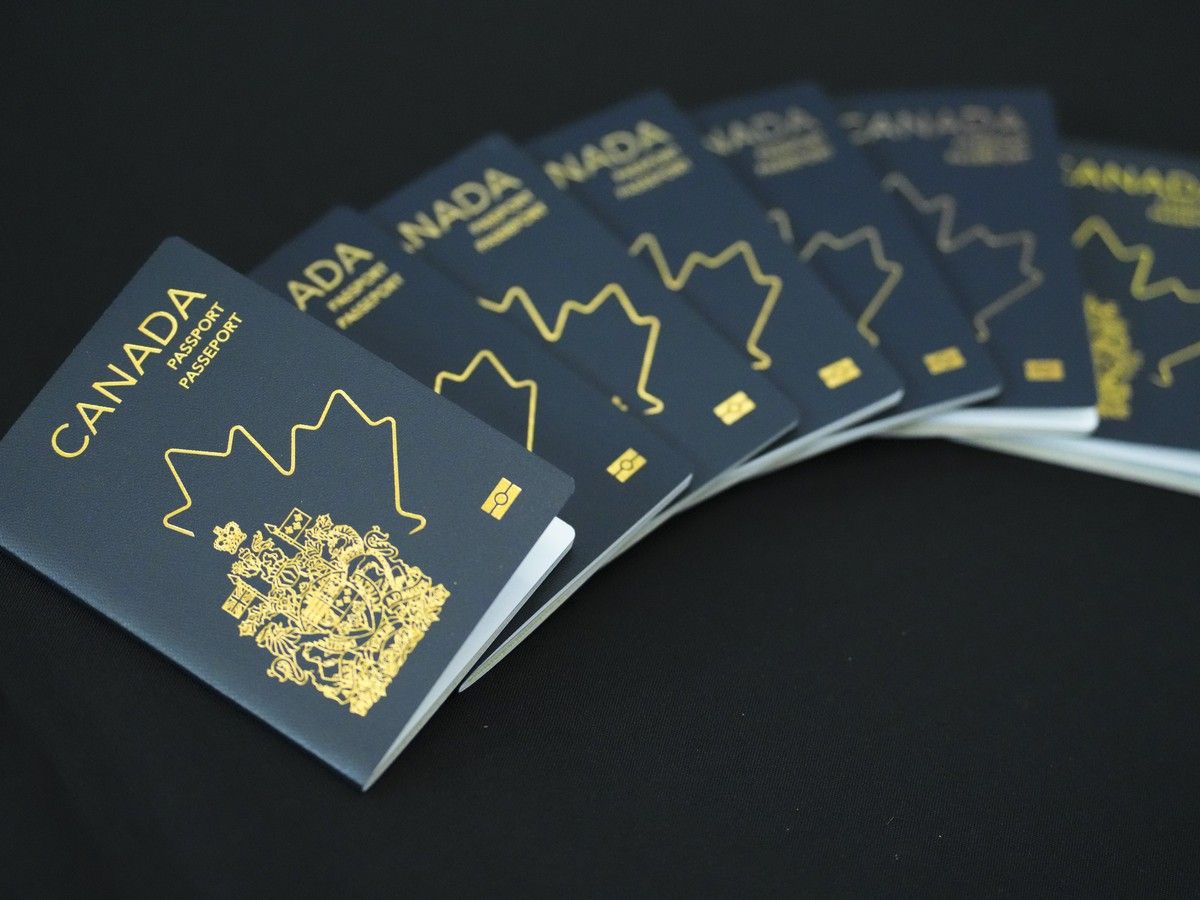
CANADA —
Key facts
- Danyang Yang, a Beijing Opera singer, gave birth in Canada in 2014 and 2017, later becoming a permanent resident.
- Nearly 10% of all U.S. births in 2023 resulted in birthright citizenship.
- In 2023, 245,000 U.S. birthright citizenship babies were born to unauthorized migrants.
- Ireland’s Foreign Birth Register received 18,910 applications from U.S. citizens in 2025, up 63% from 2024.
- Canada’s Bill C-3, passed in December 2025, removed the first-generation limit on citizenship by descent.
- An estimated 900,000 French Canadians settled in the northeastern U.S. between 1840 and 1930, making millions of Americans eligible for Canadian citizenship.
- Google Trends data shows searches for 'Canadian citizenship by descent' averaged three times more interest than 'Irish citizenship by descent' from January to late April 2026.
A Singer’s Journey Highlights Birth Tourism in Canada
Danyang Yang, a singer in China’s Beijing Opera, flew to Vancouver in 2014 to give birth in a Canadian hospital. She returned in 2017 to deliver another child, joining thousands of birth tourists who come to Canada each year. Both times, Yang immediately went back to China, but later she and her husband, Tong Zhang, moved their family and real-estate fortune to Canada, eventually becoming permanent residents. When the couple’s extensive Metro Vancouver property holdings became the subject of a lawsuit, a B.C. Supreme Court judge asked Yang why she chose to give birth in Canada. “Canada is a very tolerant country,” Yang answered. “We thought it would be a wise idea to give birth to our second child and third child here.” Her response underscores the allure of Canada’s birthright citizenship policy, which grants automatic passports to babies born on Canadian soil to non-citizens.
Birthright Citizenship: A Global Flashpoint
Birthright citizenship, or jus soli, is a simmering political issue in Canada and an even more fiery one in the United States. The U.S. Supreme Court is slated to decide this summer on President Donald Trump’s executive order to stop birthright citizenship, a practice that exists in only 30 countries worldwide, including Canada and the U.S. Under this policy, babies born on U.S. or Canadian soil to non-citizens—including those on student or guest-worker visas and undocumented migrants—automatically gain full citizenship privileges. this month that nearly 10% of all births in the U.S. in 2023 fell into the birthright citizenship category. Of the 320,000 such babies, 245,000 were born to unauthorized migrants, 15,000 to mothers with temporary legal status, and about 60,000 to unauthorized migrant mothers with a citizen or permanent resident father. These figures highlight the scale of the phenomenon and the stakes of any policy change.
Americans Surge for Second Citizenships, Canada Becomes a Magnet
American demand for second citizenships is surging, and Canada is at the center of it. Last year, U.S. citizens’ applications for Irish citizenship based on ancestry jumped 63% to a record 18,910.’s Foreign Birth Register. However, only a small proportion of Americans qualify under Irish law, which generally limits citizenship by descent to those with a parent or grandparent born in Ireland. In contrast, Canada’s change to its citizenship law in December 2025 made millions of Americans eligible. Bill C-3 removed the first-generation limit on inheriting Canadian citizenship, meaning anyone born before December 15, 2025 who can trace their lineage to a Canadian ancestor—no matter how many generations back—can legally claim Canadian citizenship by descent. Overnight, millions of Americans became U.S.-Canadian dual citizens under Canadian law, many of them descendants of the estimated 900,000 French Canadians who settled in the northeastern U.S. between 1840 and 1930.
The Numbers Behind the Rush: Ireland vs. Canada
The surge in applications for Irish citizenship from U.S. citizens reached a record high in 2025, with 18,910 applications compared to 11,601 in 2024. This increase reflects factors such as a divided political climate in the U.S., rising cost of living, and the ease of global mobility and remote work. In 2025, for the first time, more Americans moved to Ireland than Irish nationals moved to the U.S. Yet Canada’s more generous descent law has drawn even greater interest. Google Trends data shows that American searches for “Canadian citizenship by descent” averaged more than three times the interest of searches for “Irish citizenship by descent” between January and late April 2026. For many Americans eyeing an eventual move, Canada’s change removes the immigration queue entirely, offering a direct path to citizenship.
How to Claim Canadian Citizenship by Descent
For Americans unsure whether they have family ties to Canada, the process begins with looking through their family tree, speaking to relatives, and searching for family records. Those who can trace their lineage to a Canadian ancestor born before December 15, 2025 are now eligible to apply for proof of Canadian citizenship. This change has opened the door for millions who previously had no claim. While the surge in applications is expected to continue, the Canadian government has not yet released official numbers on how many have applied since the law change. The long-term impact on immigration patterns and bilateral relations remains to be seen.
The Broader Implications of Citizenship Policies
Canada’s dual approach—maintaining birthright citizenship while expanding descent-based citizenship—positions it as a global outlier. Most countries have abolished jus soli, and even Ireland restricts descent to two generations. Canada’s policy shift reflects a deliberate choice to embrace a broader definition of citizenship, one that resonates with Americans seeking stability abroad. At the same time, the birth tourism phenomenon raises questions about exploitation. Critics argue that Canada should avoid being exploited by those who use birthright citizenship as a loophole. The upcoming U.S. Supreme Court decision on birthright citizenship could further reshape the landscape, potentially driving even more Americans to seek Canadian citizenship as a backup plan.
A New Era for Canadian Citizenship
The convergence of birthright citizenship debates and the expansion of descent-based citizenship marks a pivotal moment for Canada. With millions of newly eligible Americans and ongoing birth tourism, Canada’s citizenship policies are under scrutiny both domestically and internationally. The country’s reputation as a tolerant nation, as Yang described it, may be tested as it balances openness with concerns over exploitation. As the U.S. Supreme Court prepares to rule and Canada processes a wave of citizenship applications, the outcomes will likely influence global migration trends for years to come. Canada’s experiment in inclusive citizenship could serve as a model—or a cautionary tale—for other nations grappling with similar issues.
The bottom line
- Canada’s birthright citizenship grants automatic passports to babies born on its soil, a practice shared by only 30 countries worldwide.
- Pew Research data shows nearly 10% of U.S. births in 2023 resulted in birthright citizenship, with 245,000 born to unauthorized migrants.
- Canada’s Bill C-3, passed in December 2025, removed the first-generation limit on citizenship by descent, making millions of Americans eligible.
- Applications for Irish citizenship from U.S. citizens hit a record 18,910 in 2025, but Canada’s more expansive law has drawn even greater interest.
- The U.S. Supreme Court is expected to rule on President Trump’s executive order to end birthright citizenship this summer.
- Birth tourism, exemplified by Danyang Yang, remains a contentious issue, with critics calling for measures to prevent exploitation.



Raptors face elimination without Ingram as heel injury sidelines star forward
Raptors Face Elimination Without Ingram After Heel Injury

Lakers' Offense Stalls as Rockets Force Game 6, Threatening Historic Comeback