CRA refunds $647 million from repealed digital services tax after U.S. threats
The Canada Revenue Agency has begun returning hundreds of millions collected from tech giants, with $154 million already repaid and the rest due by month's end.
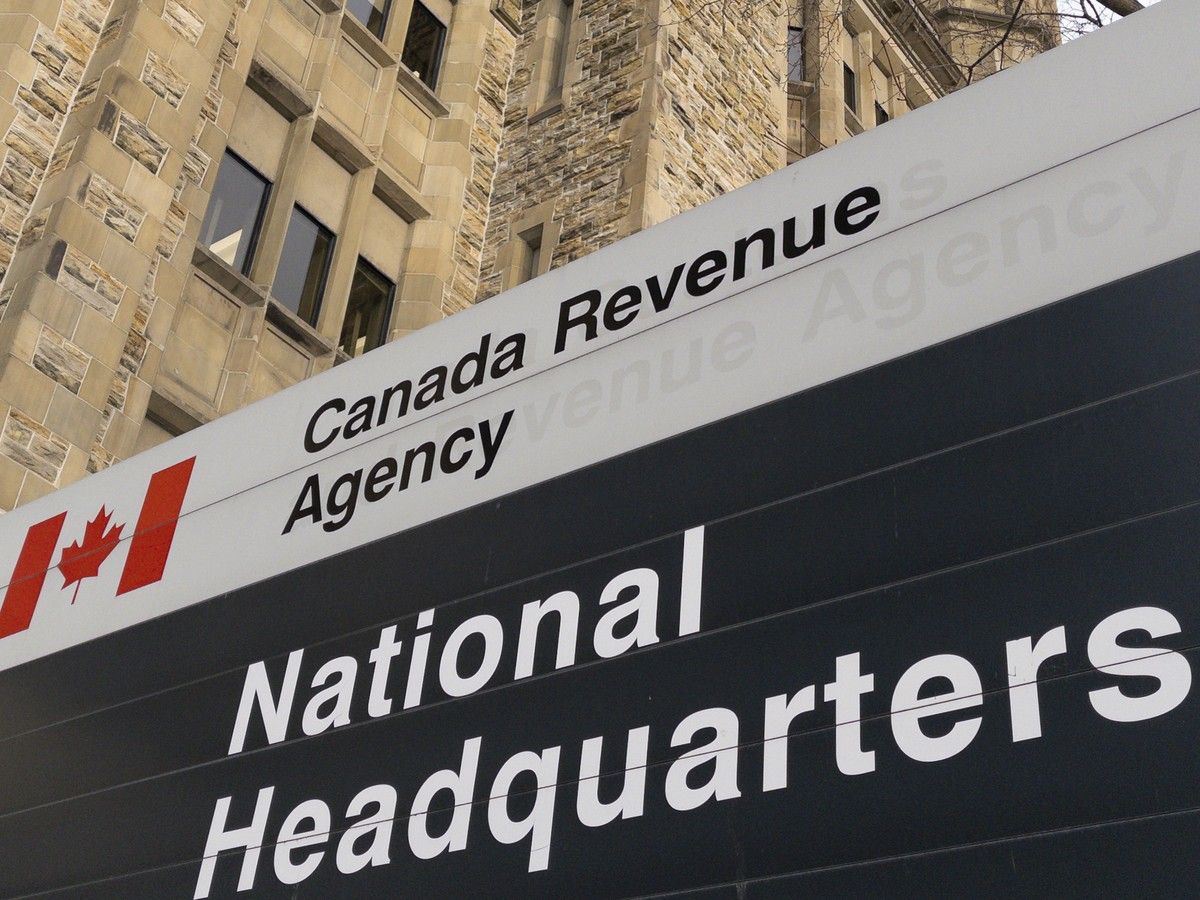
CANADA —
Key facts
- CRA collected approximately $647 million from the digital services tax before its repeal on June 30, 2025.
- Of that, $358 million was applied to outstanding tax liabilities of the same companies.
- As of April 23, about $154 million had been refunded directly, including $4 million in interest.
- The CRA spent $30 million administering the tax over fiscal years 2021–22 to 2025–26.
- The Parliamentary Budget Office had projected the DST would raise $7.2 billion over five years.
- Legislation to repeal the Digital Services Tax Act received royal assent on March 26, 2025.
- The U.S. threatened tariffs on the UK if it did not drop its DST, and earlier threatened Canada with trade disruptions.
Refunds underway after political reversal
The Canada Revenue Agency is refunding approximately $647 million collected under the now-defunct digital services tax, a policy Ottawa repealed last summer to avert a trade confrontation with the United States. The CRA had halted collection on June 30, 2025, after U.S. President Donald Trump threatened to cut off trade talks with Canada. Legislation to repeal the Digital Services Tax Act, included in the federal budget bill, received royal assent on March 26, clearing the legal path for the CRA to return the money. Until that law passed, the agency said it could not issue refunds.
How the refunds are being distributed
Of the $647 million collected, the CRA applied $358 million to cover outstanding tax liabilities of the same companies that paid the DST, rather than issuing a direct refund. By late April, approximately $154 million had been refunded directly to taxpayers, including close to $4 million in interest. The CRA planned to complete all remaining refunds by the end of April.ova. The agency is calculating interest on DST payments at the rate generally applicable to corporate tax refunds, currently 3 per cent, from the date the payment was received.
The tax that targeted Big Tech
The digital services tax was an annual 3 per cent levy on digital services revenue generated within Canada by large technology companies, most of which are based in the United States. Canada passed the DST legislation in June 2024, retroactive to 2022, and companies had to file returns and pay tax for 2022, 2023 and 2024 by the first deadline. The Parliamentary Budget the DST would increase federal revenues by $7.2 billion over five years. The CRA was provided with $30 million over fiscal years 2021–22 to 2025–26 to administer the tax, covering implementation, systems development, forms, and related accommodation and IT costs.
U.S. pressure and the repeal decision
The U.S. government has long opposed digital services taxes, viewing them as unfairly targeting American companies. Last year, an early version of the One Big Beautiful Bill Act threatened to hike taxes on investors or companies from foreign countries that applied what the U.S. deemed discriminatory taxes, including digital services taxes and the OECD's undertaxed profits rule. The U.S. removed those threatened hikes from the final bill after G7 finance ministers announced the U.S. would be excluded from the global minimum tax regime. More recently, President Trump threatened to impose tariffs on the United Kingdom if it did not drop its own DST, underscoring the continuing international friction over such levies.
What comes next for taxpayers and the CRA
With the refund process nearly complete, the CRA has closed the chapter on the DST, but questions remain about the fiscal impact. The $647 million collected is far short of the $7.2 billion the PBO had forecast over five years, partly because the tax was repealed after only one collection cycle. The $30 million spent on administration represents a significant cost relative to the net revenue retained — after applying $358 million to other tax liabilities, the government effectively kept $358 million while refunding $289 million. The episode highlights the volatility of tax policy when entangled with geopolitical trade disputes.
The bottom line
- The CRA refunded $647 million collected from the digital services tax after Canada repealed it under U.S. trade pressure.
- Of the total, $358 million was used to offset other tax debts, and $154 million was directly refunded with interest.
- The tax was a 3% levy on digital services revenue of large tech companies, retroactive to 2022.
- The PBO had projected $7.2 billion in revenue over five years, but the tax was repealed after one collection period.
- The U.S. continues to oppose digital services taxes globally, threatening tariffs against countries that impose them.
- The CRA spent $30 million to administer the tax, underscoring the high cost of implementing and then dismantling the policy.


Cherie DeVaux Makes History as First Female Trainer to Win Kentucky Derby

Olivia Rodrigo Announces 65-Date 'Unraveled Tour' with Two-Night Stops in Pittsburgh, Philadelphia, and Hartford

Canada Narrows TR-to-PR Pathway, Excluding Major Cities and Requiring Two Years’ Experience