Disneyland Deploys Facial Recognition at Park Entrances, Citing Fraud Prevention
The technology, now in use at most entry lanes, compares live images with stored ticket photos, raising privacy concerns among visitors and experts.
CANADA —
Key facts
- Disneyland has expanded facial recognition technology to most entrance lines at Disneyland Park and Disney California Adventure.
- The system converts facial images into unique numerical values and deletes them within 30 days unless required for legal or fraud-prevention purposes.
- Guest behavior caused 13% of ride shutdowns in fiscal year 2025, up from a 10% historical average, prompting new rules including a phone policy.
- Disneyland saw 17.35 million visitors in 2024, while Disney California Adventure had 10.05 million./TEA estimates.
- Disney's Experiences segment, which includes parks, generated $36.2 billion in revenue in fiscal year 2025.
- Under the California Consumer Privacy Act, biometric data is classified as sensitive personal information, giving consumers rights to limit its use.
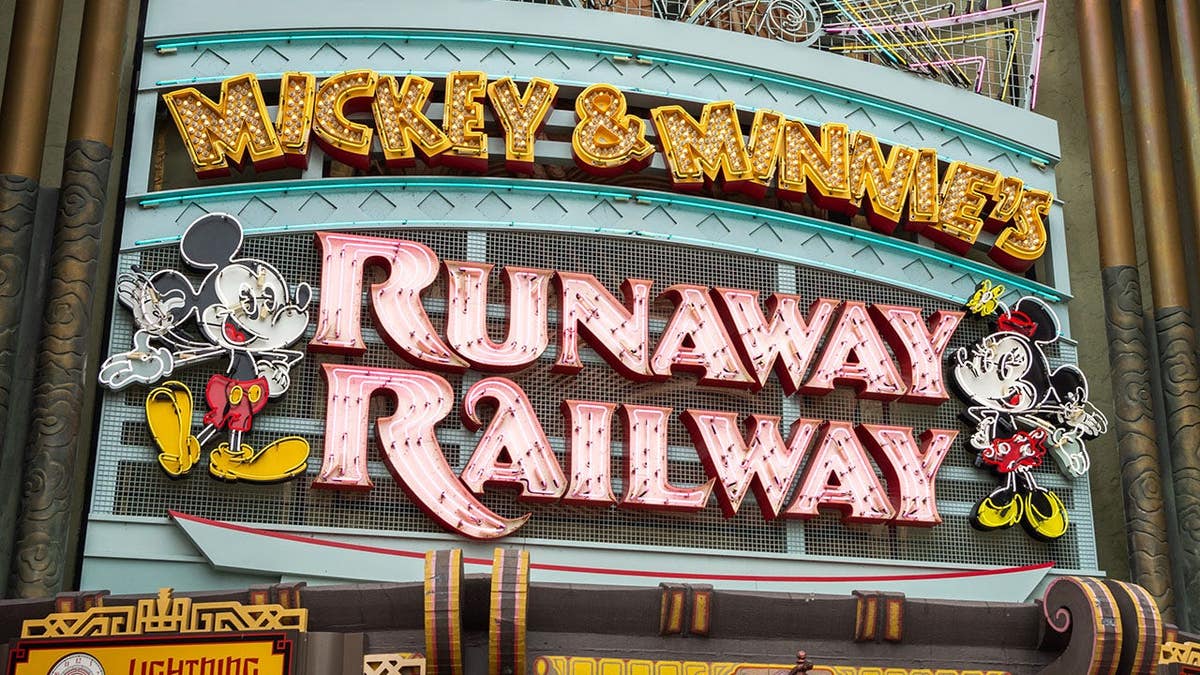
- A new phone policy, nicknamed 'Stow it, Don’t Show it,' bans handheld filming on high-motion rides like Mickey & Minnie’s Runaway Railway and the Incredicoaster.
- Disney officials state the facial recognition system is optional, with alternative lanes available for guests who decline.
A New Gatekeeper at the Happiest Place on Earth
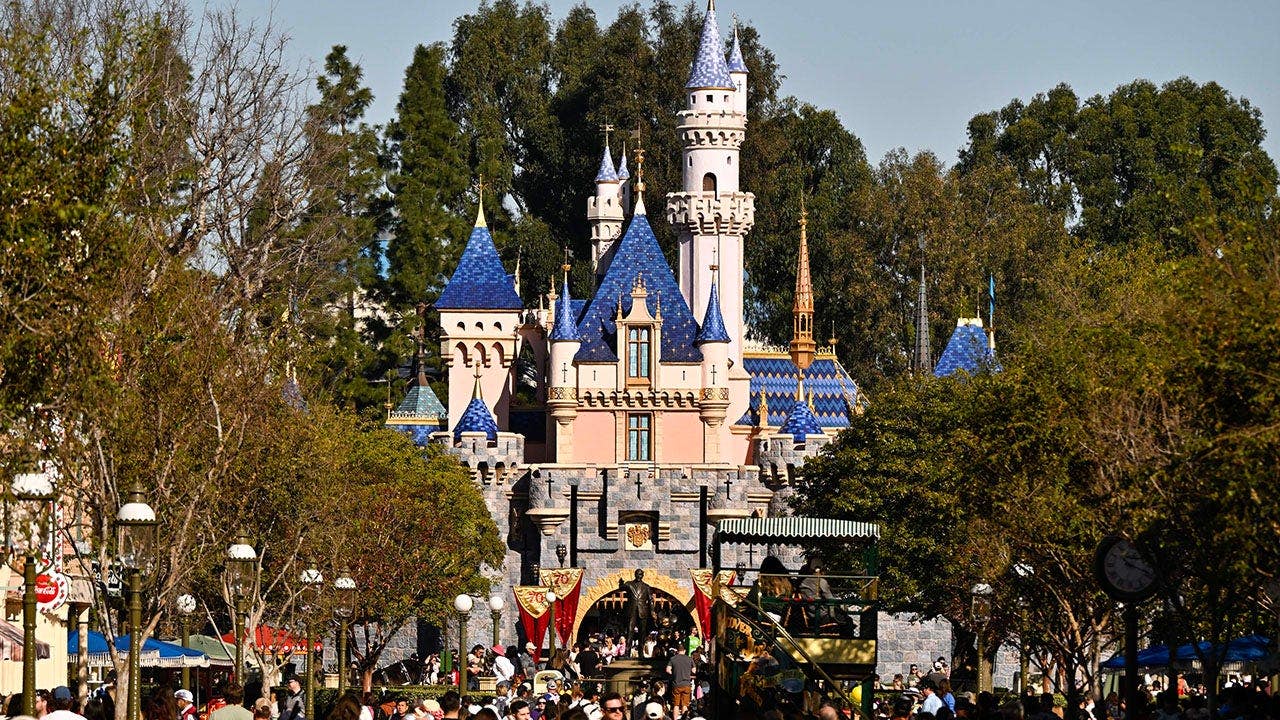
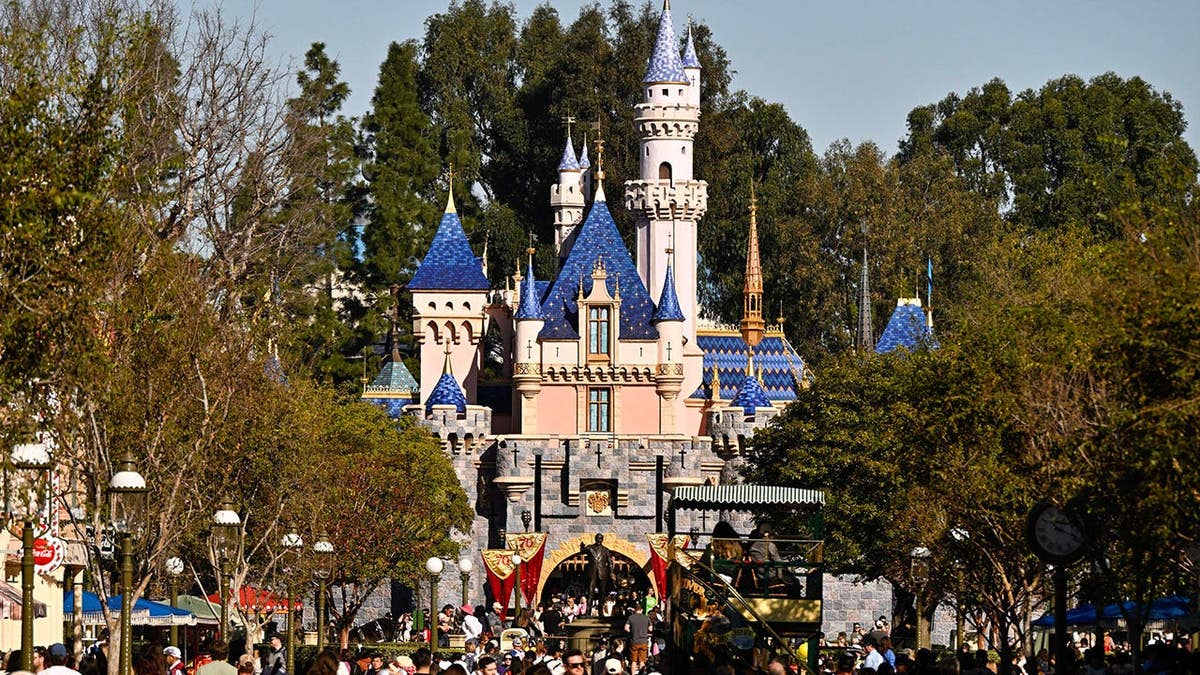
Disneyland Resort has quietly expanded facial recognition technology to most entrance lanes at its two Anaheim parks, replacing the manual ticket-check process with an automated biometric system. The move, disclosed in Disney’s privacy notice and confirmed by officials, aims to streamline reentry and curb fraud. But the rapid deployment has left some guests uneasy, with one visitor describing the system as “a little scary” because its use was not clearly communicated before entering the queue.
How the Facial Recognition System Works
According to Disney’s privacy notice, the system captures a camera image at the entrance and compares it with the photo stored when a guest first used a ticket or annual pass. The images are converted into unique numerical values to look for a match. Disney says it deletes those numbers within 30 days, unless retention is required for legal or fraud-prevention purposes. For children under 18, the system can only be used with parental or guardian consent.
Optional but Opaque: Guest Awareness and Concerns
Disney emphasizes that the facial recognition system is optional, with non-facial-recognition lanes available where a cast member manually validates tickets. However, some guests told the Los Angeles Times they did not realize they could avoid the technology before entering the lines. A mother expressed unease when the system was used for her young children. Signs near the gates indicate which lanes use facial recognition, but visitors said the signage was not always obvious.
Privacy Experts Warn of Surveillance Normalization
Privacy experts caution that the technology normalizes surveillance and poses security risks. Ari Waldman, a law professor at UC Irvine, said, “The normalization of facial surveillance is really problematic… In a world of facial recognition, when people leave their house, it automatically means they’re identified.” Disney’s privacy notice acknowledges that “no security measures are perfect or impenetrable,” a statement that underscores the potential for data breaches.
Ride Disruptions Prompt New Phone Policy
Alongside the facial recognition rollout, Disneyland has implemented a stricter phone policy targeting ride disruptions. Guest behavior accounted for 13% of ride shutdowns in fiscal year 2025, up from a 10% historical average, director of attractions engineering services. The policy, nicknamed “Stow it, Don’t Show it,” prohibits handheld filming on high-motion rides such as Mickey & Minnie’s Runaway Railway and the Incredicoaster. Cast members conduct visual checks and will not dispatch ride vehicles if a phone is visible.
Broader Industry Trend Toward Facial Recognition
Disneyland is not alone in adopting facial recognition. Major U.S. entertainment venues, including Dodger Stadium, have deployed similar technology to speed entry and prevent fraud. John LeSchofs, a 73-year-old who visits Disneyland every six weeks, said, “Pretty much every other place is doing the same thing… The police, the government, they’re all using facial recognition.” The trend reflects a broader shift toward biometric verification in public spaces, raising questions about privacy and consent.
What Comes Next: Legal and Operational Implications
Under the California Consumer Privacy Act, biometric data is classified as sensitive personal information, giving consumers the right to limit its use and disclosure. Disney’s system, which processes over 27 million annual visitors across both parks, will likely face continued scrutiny from privacy advocates. The company has stated it is always evaluating its regulations to enhance the guest experience and create a safe environment, but the balance between convenience and privacy remains a contentious issue.
The bottom line
- Disneyland has expanded facial recognition to most entrance lanes at both Anaheim parks, with optional alternative lanes available.
- The system compares live images with stored ticket photos, converting them into numerical values deleted within 30 days.
- Guest behavior caused 13% of ride shutdowns in fiscal year 2025, leading to a new phone policy banning handheld filming on high-motion rides.
- Privacy experts warn that the technology normalizes surveillance and poses security risks, despite Disney's assurances.
- Disneyland attracted 27.4 million visitors in 2024, and its Experiences segment generated $36.2 billion in revenue in fiscal year 2025.
- The California Consumer Privacy Act gives consumers rights over biometric data, which may lead to legal challenges.

Marta Kostyuk Stuns Mirra Andreeva to Win First WTA 1000 Title in Madrid
Lost Oscar Found: Lufthansa Locates Statuette Forced Into Checked Luggage
Delhi Capitals Chase Down 225 to Hand Rajasthan Royals Seven-Wicket Defeat in Jaipur