Google Unveils Screenless Fitbit Air, Merges Fitbit App into Google Health
The new wearable and revamped app signal Google's refined strategy for health and fitness tracking.

CANADA —
Key facts
- Google is replacing the Fitbit app with Google Health.
- The Fitbit Air, a screenless wearable, launches May 26 for $99.99.
- The Fitbit Air offers continuous health data collection for about a week on a charge.
- New multimodal logging in Google Health allows input via text, voice, or photo.
- The Google Health Coach, powered by Gemini, offers personalized fitness plans.
- Fitbit hardware will retain the brand, while software transitions to Google Health.
- The Fitbit Air is 25% smaller than the Fitbit Luxe and 50% smaller than the Inspire 3.
A New Era for Fitbit Software Under Google Health
Google is retiring the familiar Fitbit app, replacing it with a unified platform called Google Health after months of public preview testing. This strategic shift aims to merge Fitbit's "pioneering spirit" with Google's "helpfulness." While the Fitbit brand will persist for hardware, all software operations will now fall under the Google Health umbrella, signaling a clear direction for the company's health and wellness ambitions. The transition involves a forthcoming update to the existing Fitbit app on app stores, transforming it into Google Health. This new iteration builds upon the public preview version, introducing enhanced customization for dashboard metrics on the Today and Health tabs. A prominent "Log" button facilitates manual entry of various health data points, including activity, body fat, food, glucose, hydration, period, sleep, temperature, and weight, all through a streamlined interface. Free users will gain access to activity, health, and sleep tracking with basic logging capabilities, alongside the ability to import medical records in the United States. The integration of multimodal logging represents a significant advancement, allowing users to input data via text, voice, or even photographs, with Google capable of automatically recognizing food items from images.
Introducing the Screenless Fitbit Air
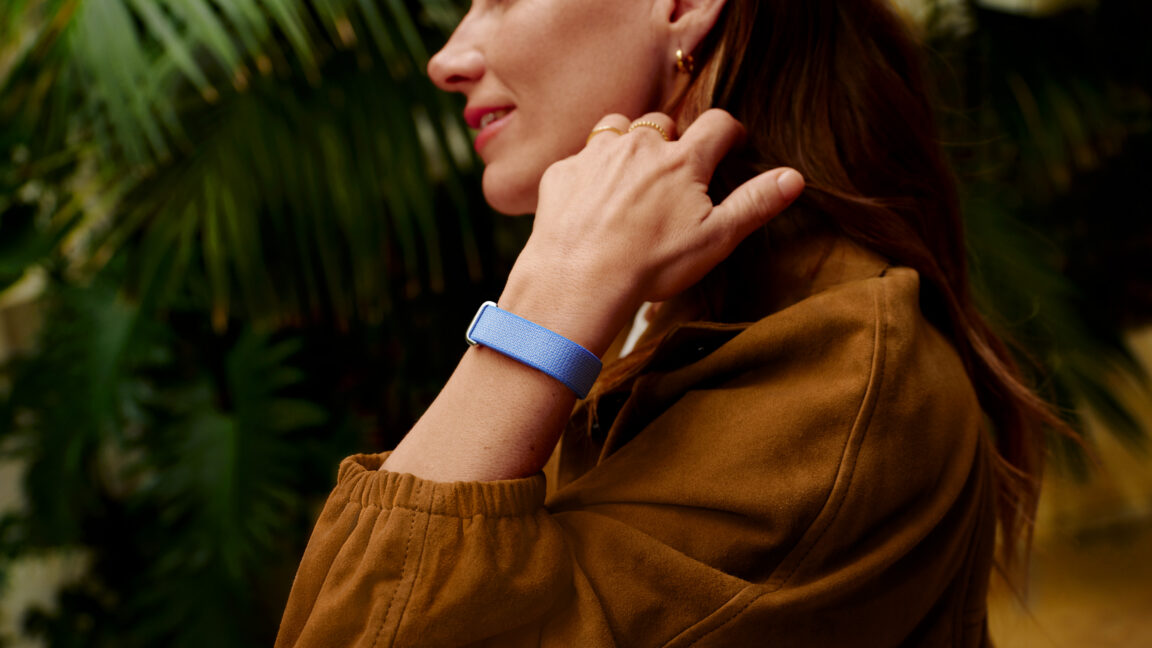
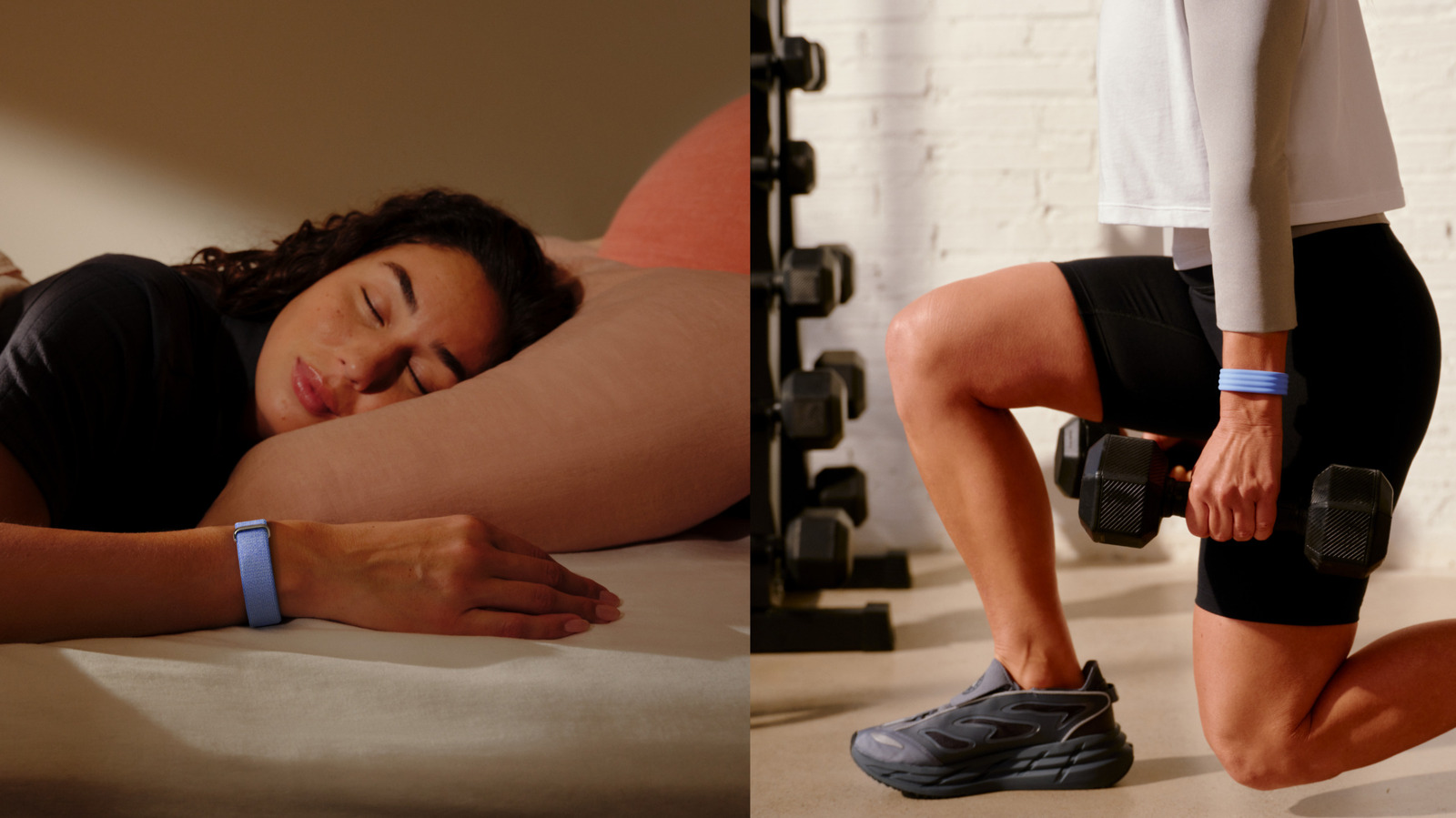
Alongside the software overhaul, Google is launching the Fitbit Air, a screenless wearable device designed for continuous health monitoring. Priced at $99.99 and available for preorder, the Fitbit Air eschews a display in favor of a compact, puck-like design approximately 1.4 inches long and 0.7 inches wide. It attaches to various bands, ensuring the bottom-mounted sensors maintain consistent contact with the wrist. This screenless approach addresses common user complaints about smartwatches, such as frequent charging requirements and comfort issues. Google claims the Fitbit Air boasts a battery life of about a week and can store a day's worth of data even without a phone connection. Product testers reportedly found the device more comfortable than competing wearables, potentially encouraging all-day and overnight wear for comprehensive sleep tracking. The Fitbit Air is equipped with standard health sensors, including heart rate, accelerometer/gyroscope, infrared SpO2, and skin temperature. While Google acknowledges its heart rate monitor may not match the accuracy of the latest Pixel Watches during vigorous exercise, the device includes a vibration motor for silent alarms, though it does not support phone notifications.
Personalized Health Insights with the Google Health Coach
A cornerstone of the new Google Health ecosystem is the AI-powered Health Coach, built with Gemini technology. This feature is designed to adapt in real-time to user metrics and direct requests, offering personalized fitness plans and daily workout recommendations. The setup process involves users sharing their preferences, routines, and available equipment to tailor the experience. The Health Coach aims to interpret the data collected by the Fitbit Air and the Google Health app, providing actionable insights. This integration signifies Google's commitment to leveraging artificial intelligence for proactive health management. Users will receive guidance that evolves with their progress and changing needs. This advanced coaching capability is bundled with the Fitbit Air purchase, including three months of Google Health Premium, which replaces the former Fitbit Premium subscription. This offers users an immediate pathway to enhanced, AI-driven health guidance.
Design, Comfort, and Data Collection
Google has emphasized comfort and style with the Fitbit Air, offering a range of colors and accessory options, including a special-edition Steph Curry version. The device's small size and lightweight construction—12 grams with a band and 5.2 grams without—contribute to its unobtrusive feel, making it suitable for continuous wear. The Fitbit Air's design allows for a "secure, micro-adjustable fit," intended to be so comfortable users forget they are wearing it. This focus on wearability is crucial for its primary function: passive, continuous data collection. The device monitors heart rate throughout the day, using established algorithms to track sleep stages and provide a nightly Sleep Score. It also features "signs of AFib with irregular heart rhythm notifications" and helps users understand their heart rate variability (HRV) and its impact on overall well-being. Google states that the Air is powered by advanced machine learning models, claiming a 15% improvement in accuracy over previous iterations, with enhancements to the Sleep Score reflecting better recovery.
Broader Ecosystem Integration and Future Plans
The Fitbit Air can be paired with a phone alongside other wearables like the Pixel Watch, allowing users to choose which device to wear at any given time. Google intends to extend this multi-device pairing capability to more wearables in the future, fostering flexibility in how users track their health. For existing Google Fit users, a data migration path to the Google Health app is planned for later this year. This ensures that long-term users can transition their historical health data to the new platform without loss. Regarding data privacy, Google reiterates its commitment to not using Fitbit user health and wellness data for advertising purposes. The Google Health app is now available in over 200 countries, with the update rolling out starting May 19, ensuring full availability before the Fitbit Air hits shelves on May 26.
A Refined Approach to Health Tracking
The launch of Google Health and the Fitbit Air marks a significant step in Google's evolving strategy for the health and fitness market. By consolidating its software under a single, AI-enhanced platform and introducing a dedicated, screenless wearable, the company aims to simplify the user experience and provide more personalized, actionable insights. This move appears to address past challenges and user feedback, particularly concerning the fragmentation of Google's health offerings. The emphasis on comfort, continuous data collection, and AI-driven coaching suggests a focus on making health tracking more integrated and less intrusive. The success of this new direction will depend on user adoption and the continued evolution of the Google Health Coach and its ability to deliver tangible benefits. The commitment to privacy will also be a critical factor in building and maintaining user trust in this increasingly data-sensitive domain.
The bottom line
- Google Health replaces the Fitbit app, unifying software under a new brand with enhanced logging and AI coaching.
- The screenless Fitbit Air, launching May 26 for $99.99, prioritizes continuous data collection and comfort.
- The Gemini-powered Google Health Coach offers personalized fitness plans based on user data and preferences.
- Fitbit hardware will retain its brand, while software and subscription services transition to Google Health.
- The Fitbit Air provides a week-long battery life and advanced health sensors, though heart rate accuracy may vary during intense activity.
- Google reaffirms its commitment to not using health and wellness data for advertising purposes.


Lotto Max Jackpot Climbs to $70 Million as Major Prizes Go Unclaimed

Nintendo Announces Star Fox Remake for Switch 2

Dahlin, Makar, Werenski Vie for Norris Trophy
