Grand River Transit Strike Averted as Union and Region Reach Tentative Deal
A 93% strike mandate from Unifor Local 4304 members pushed negotiations to the final hours, with a ratification vote scheduled for Sunday.
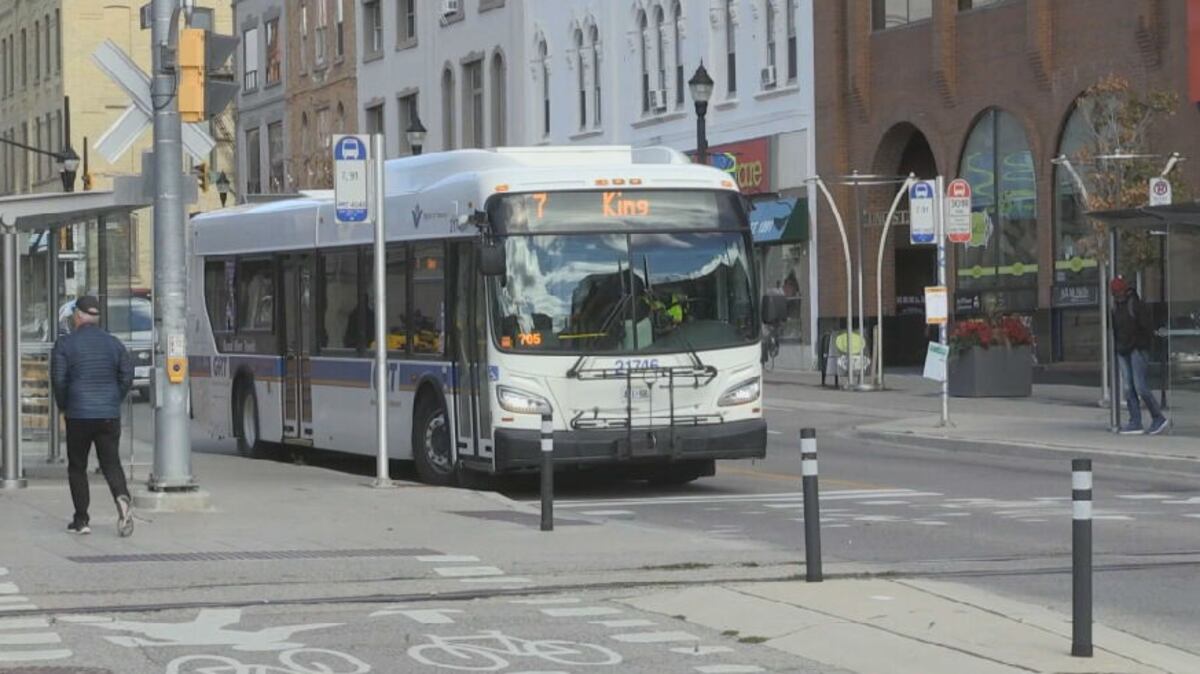
CANADA —
Key facts
- Unifor Local 4304 represents 850 Grand River Transit and MobilityPlus workers.
- Workers would have been in a legal strike position at 12:01 a.m. Friday.
- The union secured a 93% strike mandate from members earlier in April.
- The tentative agreement was reached Thursday evening after all-week bargaining.
- Ratification vote is set for Sunday, May 3.
- The deal focuses on wages, scheduling, and benefits.
- GRT bus and MobilityPlus services continue uninterrupted; ION service was never threatened.
Last-Minute Deal Prevents Transit Shutdown
Grand River Transit and MobilityPlus services will run as usual on Friday after the Region of Waterloo and Unifor Local 4304 reached a tentative agreement late Thursday, averting a strike that could have begun at midnight. The deal came after a week of intensive bargaining, with both sides acknowledging the high stakes for the region's 850 transit workers and the thousands of residents who depend on public transit daily. Unifor Local 4304, which represents bus operators, MobilityPlus reservationists, fleet mechanics, and service attendants, had been in a legal strike position since 12:01 a.m. Friday. The union had earlier secured an overwhelming 93 per cent strike mandate from its members, signaling strong support for industrial action if negotiations failed.
Core Issues: Wages, Scheduling, and Benefits
The union stated that bargaining centered on three key areas: wages, scheduling, and benefits for workers. The Region of Waterloo, in turn, emphasized the need for an agreement that would be "both competitive for GRT staff and affordable for residents." The delicate balance between fair compensation and fiscal responsibility has been a recurring theme in public-sector labor negotiations across Ontario. A regional spokesperson confirmed that negotiations were ongoing as of Thursday afternoon, with the tentative deal announced shortly after 8 p.m. that evening. The agreement was reached in what the union described as the "final stage of negotiations," underscoring the last-minute nature of the breakthrough.
What the Strike Would Have Meant
Had the strike proceeded, it would have affected GRT bus services and MobilityPLUS, the door-to-door transit service for people with disabilities. The ION light rail system, however, would have continued operating normally, as its workers are represented by a different union. The potential disruption had raised concerns among accessibility advocates and students, who rely heavily on GRT for daily commutes and essential travel. The threat of a strike also highlighted the broader challenges facing transit systems in the region, as they grapple with labor shortages, rising operational costs, and the need to maintain reliable service for a growing population.
The Path to Ratification
The tentative agreement now goes to a ratification vote by Unifor Local 4304 members on Sunday, May 3. Until then, the details of the deal remain confidential, with both sides agreeing to release the specifics only after the vote results are known. The union has scheduled a ratification meeting where members will hear the terms and cast their ballots. The outcome of the vote is not assured, but the strong strike mandate suggests that members are prepared to accept a deal that addresses their core demands. If ratified, the new collective agreement will provide labor stability for GRT and MobilityPlus for the foreseeable future.
Broader Context and Outlook
The averted strike comes amid a wave of labor actions in Canada's public transit sector, as workers seek to recover ground lost during the pandemic and keep pace with inflation. The Region of Waterloo, like many municipalities, faces pressure to balance competitive wages with the need to keep transit affordable for riders. For now, Grand River Transit services continue uninterrupted, and the region's residents can breathe a sigh of relief. But the underlying tensions over wages, scheduling, and benefits are unlikely to disappear, and the ratification vote on Sunday will be closely watched as a bellwether for labor relations in the sector.
The bottom line
- A strike by 850 Grand River Transit and MobilityPlus workers was averted with a last-minute tentative agreement on Thursday.
- The deal addresses wages, scheduling, and benefits, key demands from Unifor Local 4304.
- A 93% strike mandate from members pushed negotiations to the final hours before the legal strike deadline.
- GRT bus and MobilityPlus services continue normally; ION service was never at risk.
- Ratification vote on Sunday, May 3, will determine if the deal is accepted.
- The agreement aims to balance competitive compensation for workers with affordability for residents.






Who Is Canada’s Oldest Company Now? The Hunt for a Successor to Hudson’s Bay

Sabres’ Defensemen Power Playoff Push as Buffalo Seeks Series Win in Boston

Montreal Metro Resumes After Hour-Long Shutdown; Canadiens Eye Series Win
