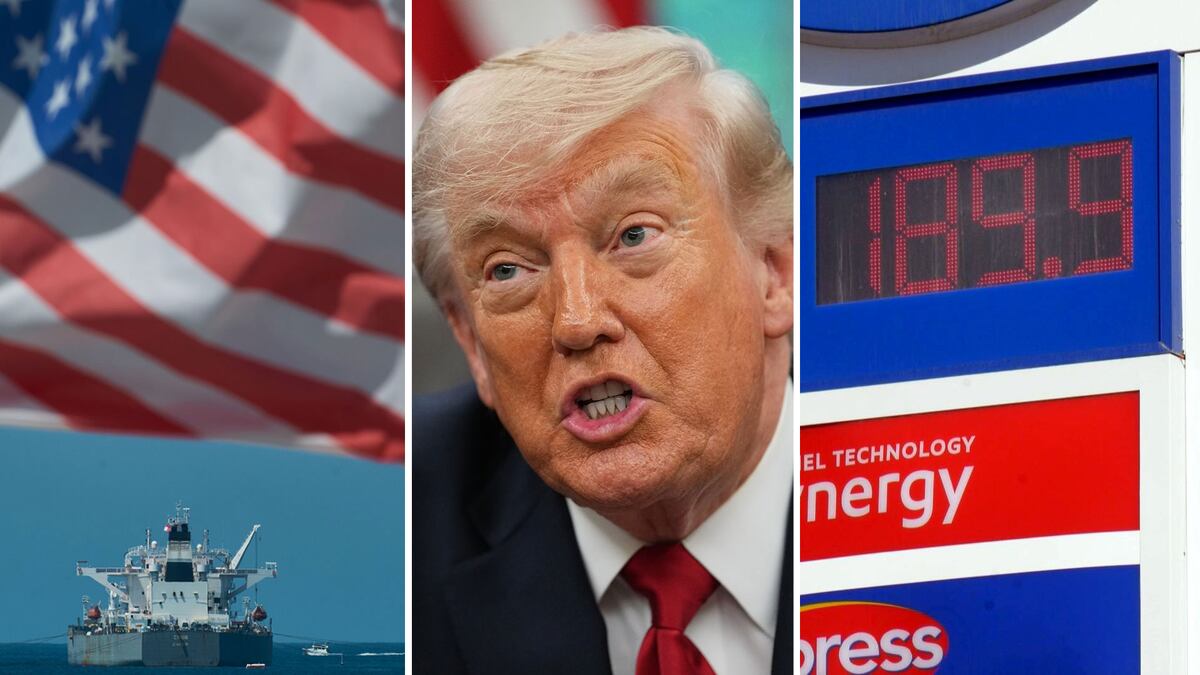
US Weighs Deploying Hypersonic ‘Dark Eagle’ Missile Against Iran as Ceasefire Frays
CENTCOM requests the long-range weapon to strike Iranian ballistic missile launchers beyond the reach of existing systems, while Hezbollah attacks threaten the fragile truce.
CANADA —
Key facts
- US Central Command has requested deployment of the Long-Range Hypersonic Weapon (Dark Eagle) to West Asia.
- The weapon can travel at speeds exceeding Mach 5 and is designed to strike targets beyond 300 miles.
- Iran has moved key ballistic missile launch systems beyond the 300-mile range of current US strike capabilities.
- Brent crude oil was trading at $111 per barrel on the day of the report.
- Hezbollah launched drone and rocket attacks on Israeli forces in southern Lebanon, killing Sergeant Liem Ben Hamo.
- The IDF destroyed a 140-meter-long Hezbollah tunnel near Tyre used for attack planning.
- Goldman Sachs forecasts gold reaching $5,400 per troy ounce by end of 2026, with 70% of central bankers expecting price increases.
A New Weapon for a Widening Conflict
The United States is moving closer to deploying one of its most advanced conventional weapons in the Iran war, as the fragile ceasefire with Hezbollah shows signs of unraveling. US Central Command has formally requested the deployment of the Army’s Long-Range Hypersonic Weapon, known as Dark Eagle, to West Asia, according to a Bloomberg report. The weapon is intended to target Iranian ballistic missile launchers that have been relocated beyond the reach of existing American strike capabilities. Dark Eagle is a ground-launched hypersonic missile capable of speeds exceeding Mach 5, making it extremely difficult to intercept. Its range is classified but is believed to exceed 1,700 miles, far surpassing the 300-mile limit of current systems like HIMARS. The request underscores a growing concern within the Pentagon that Iran has shifted key launch systems deeper into its territory, out of range of the precision munitions that have been the backbone of US strikes.
Hezbollah Attacks Test Ceasefire
The military escalation comes as Hezbollah launched fresh drone and rocket attacks on Israeli forces in southern Lebanon, threatening the fragile ceasefire agreement. The Israel Defense Forces confirmed that 19-year-old Sergeant Liem Ben Hamo of the Golani Brigade was killed after an explosive-laden drone struck near troops in Qantara. Another soldier was injured in the same attack, while two more Israeli personnel were wounded in a separate drone strike in Bint Jbeil. Hezbollah claimed responsibility, stating it targeted Israeli tanks with drones and fired rockets toward northern Israel. The IDF called the attacks a violation of ceasefire understandings and launched retaliatory strikes on Hezbollah infrastructure. The military also released footage of a major operation destroying a 140-meter-long tunnel near Tyre, which it said was used by Hezbollah to plan attacks.
The Strategic Calculus Behind Dark Eagle
The Dark Eagle system represents a leap in US strike capability, combining hypersonic speed with maneuverability to evade enemy air defenses. Unlike ballistic missiles that follow a predictable trajectory, hypersonic weapons can change course mid-flight, making them nearly impossible to shoot down. The US Army has been developing the weapon for years, but this would be its first potential combat deployment. CENTCOM’s request highlights a critical gap in the current arsenal: Iran has moved its ballistic missile launchers beyond the 300-mile range of the HIMARS systems that have been used extensively in the conflict. Without a longer-range option, US forces would be unable to strike these launchers quickly, giving Iran the ability to launch attacks with impunity. The hypersonic weapon could restore the US deterrent by holding at risk targets that were previously out of reach.
Economic Ripples and Market Reactions
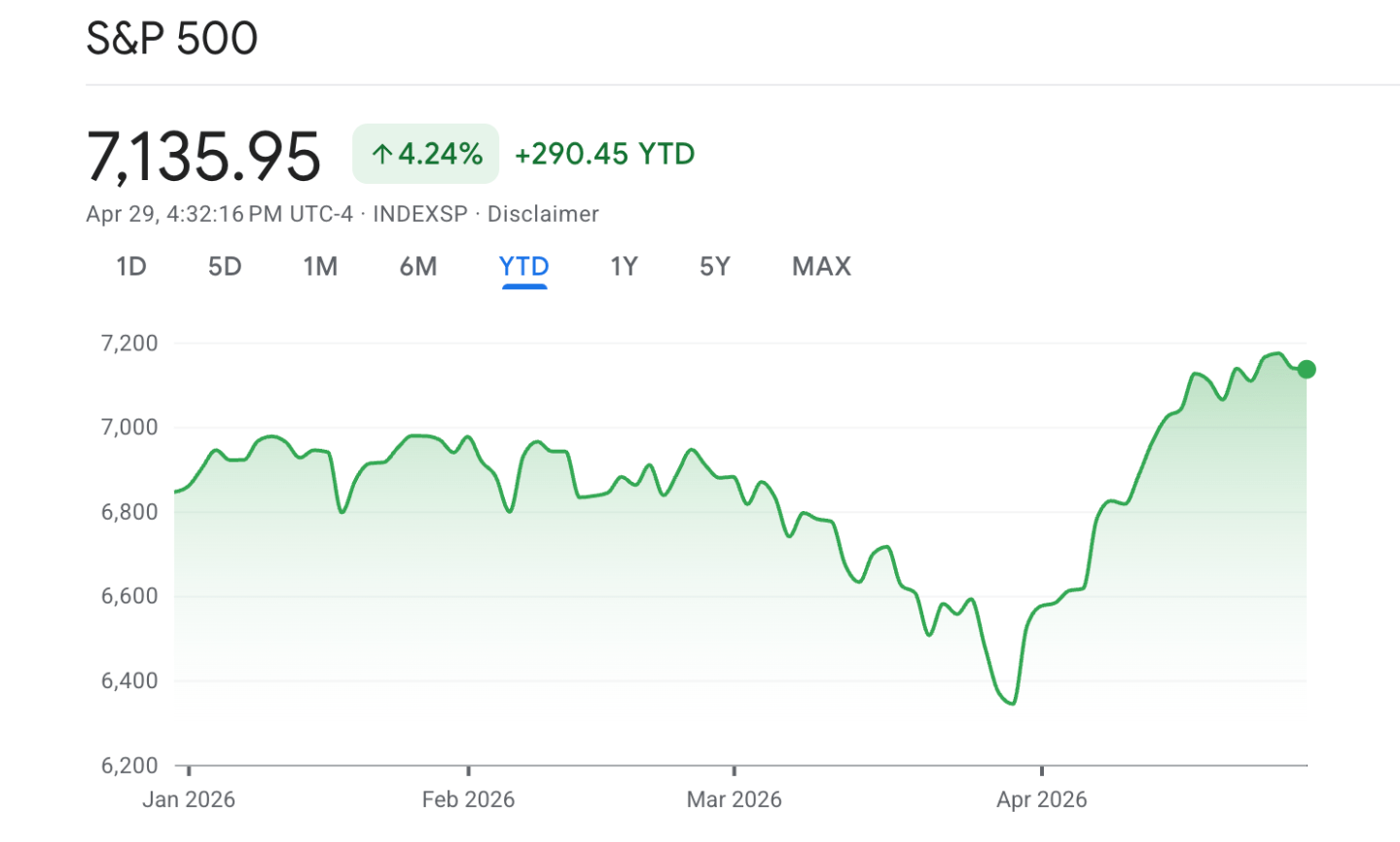
The escalating conflict is already reverberating through global markets. Brent crude oil was trading at $111 per barrel on the day of the report, reflecting concerns about supply disruptions in the oil-rich region. Stock markets showed mixed results: the S&P 500 futures were flat, while European indices like the Stoxx 600 slipped 0.1% and the FTSE 100 rose 0.88%. In Asia, Japan’s Nikkei 225 fell 1.06%, India’s Nifty 50 dropped 0.85%, and South Korea’s KOSPI declined 1.38%. Gold prices are also expected to rise, with Goldman Sachs analysts Lina Thomas and Daan Struyven reiterating a target of $5,400 per troy ounce by the end of 2026. The price stood at $4,637 on the day of the report. A Goldman survey of 29 central bankers found that 70% expect gold to increase, as many central banks have added the metal to their reserves amid geopolitical uncertainty.
A History of Escalation and Proxy Warfare
The Iran war has seen a series of escalating exchanges in recent months. Iran has claimed to have bombarded a US aircraft carrier with anti-ship missiles, though CENTCOM dismissed the claim as fake. In another incident, a 5,000-pound bomb exploded near the Strait of Hormuz, a critical chokepoint for global oil shipments. Iran also claimed to have struck a US Navy destroyer with Ghadr and Talaieh missiles in the Indian Ocean, hitting ships near Hormuz. The US has responded with airstrikes on Iranian sites, while also conducting raids on Iran-bound ships. In one such operation, US forces seized missiles allegedly being sent from China to Iran. The deployment of the USS Abraham Lincoln aircraft carrier strike group toward Iran has added to the tensions, with Iran simulating strikes on the carrier in propaganda videos.
What Comes Next: A Dangerous Crossroads
The deployment of Dark Eagle would mark a significant escalation in the US military posture, potentially opening a new phase in the conflict. However, the weapon’s effectiveness remains unproven in combat, and its use could provoke Iran to retaliate with its own advanced weapons. The Hezbollah attacks also threaten to reignite a broader war on Israel’s northern border, just as the ceasefire was beginning to hold. The coming weeks will be critical. If the US proceeds with the deployment, it could deter further Iranian aggression or trigger a dangerous spiral of escalation. Meanwhile, the economic stakes are high: oil prices are already elevated, and any disruption to shipping through the Strait of Hormuz could send them even higher. For now, the world watches as the US weighs a decision that could reshape the conflict.
The bottom line
- The US is considering deploying the Long-Range Hypersonic Weapon (Dark Eagle) to strike Iranian ballistic missile launchers beyond current range.
- Hezbollah attacks in southern Lebanon have killed an Israeli soldier and wounded others, threatening the ceasefire.
- The IDF destroyed a 140-meter Hezbollah tunnel near Tyre used for attack planning.
- Brent crude oil is at $111 per barrel, and gold is expected to reach $5,400 per troy ounce by 2026.
- Iran has moved key missile systems beyond the 300-mile range of existing US strike capabilities.
- The conflict has seen a series of escalating incidents, including claims of missile strikes on US Navy ships and a bomb explosion near the Strait of Hormuz.



Oil prices surge past $126 before retreating as Iran and U.S. harden stances on Strait of Hormuz

Late-Season Snow to Hit Colorado Rockies but Will Not Break Record Drought

Timberwolves Face Game 6 Without Edwards, DiVincenzo as Nuggets Seek Series Tie