Infantino's $2 Million Ticket Gambit and Falling World Cup Resale Prices
FIFA president offers a hot dog and Coke for a $2 million ticket, as resale prices for the 2026 World Cup begin to drop.
CANADA —
Key facts
- Fifa president Gianni Infantino offered to personally deliver a hot dog and Coke to anyone buying a World Cup final ticket for $2 million.
- Four tickets for the final in New Jersey were listed for just under $2.3 million each on Fifa's resale platform.
- Resale ticket prices for 76 of the 78 World Cup matches in the United States have fallen in the past 14 days.
- For half of those matches, the cheapest ticket price dropped by 20% or more in two weeks.
- 25 of 52 group-stage games in the U.S. have tickets available on the resale market for less than Fifa's prices.
- Category 1 tickets for the U.S. opener were listed on resale for $1,323, less than half of Fifa's primary price of $2,735.
- World Cup matches in Toronto can now only be resold at their original price, following a provincial ban.
A Bold Offer Amidst Price Criticism
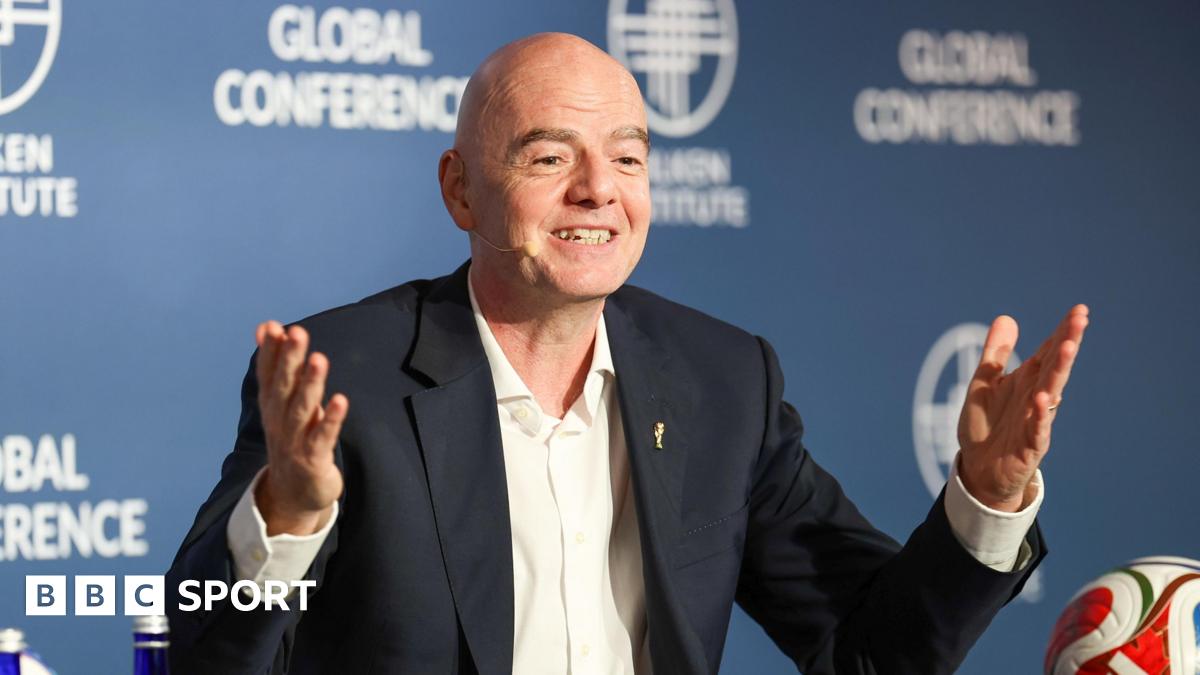
Fifa president Gianni Infantino has declared he would personally deliver a hot dog and a Coke to anyone willing to purchase a World Cup final ticket for $2 million. This provocative offer comes as the tournament faces significant criticism over its high ticket prices. Infantino's remarks, made at the Milken Institute Global Conference in Beverly Hills, aimed to contextualize the exorbitant figures appearing on resale markets, suggesting they do not reflect Fifa's official pricing. He argued that the presence of such high resale prices does not mean tickets are actually sold at that cost, nor that they will be bought. Infantino has consistently defended the tournament's pricing structure, asserting that it aligns with the cost of other major sporting events in the United States. He pointed out that the resale of tickets at inflated prices is permitted in the U.S., and if initial prices were too low, they would inevitably be marked up further by resellers. "In the US, it is permitted to resell tickets as well, so if you were to sell tickets at the price which is too low, these tickets will be resold at a much higher price," Infantino stated. He further noted that even with Fifa's prices being called high, they are often more than doubled on the resale market. He also highlighted that 25% of group stage tickets are available for under $300, a price he compared to attending a U.S. college game, emphasizing the World Cup's unique value.
Shifting Market Dynamics Emerge
Infantino's comments arrive as a notable shift begins to appear in the secondary ticket market for the 2026 World Cup. Contrary to the perception of ever-increasing prices, resale tickets for nearly every match have seen a decline in recent weeks. Dozens of games, including the United States' opening match, now feature tickets available for less than Fifa's original list price within the same category. While prices on third-party sites and Fifa's own resale platform generally remain above primary market rates, a sign of sustained demand, a long-anticipated correction by experts now appears to be underway. Data tracking the market indicates a broad trend of price reduction across the tournament's schedule. the 'get-in price' – the cost of the cheapest available ticket – has fallen for 76 out of the tournament's 78 matches in the United States over the past fortnight. This downward trend is significant, with exactly half of these games experiencing a drop of 20% or more in their cheapest ticket price during that two-week period. The regression has been consistent across shorter timeframes as well, observed over the past 30, seven, and even three days, suggesting a sustained and ongoing market adjustment.
Fifa's Platform and Resale Realities
Fifa's official resale platform, promoted as the 'Marketplace,' presents challenges for precise price tracking. However, comparisons with unsold tickets offered by Fifa on a first-come, first-served basis reveal a changing landscape. For months, Fifa's prices, despite fan complaints, were considerably lower than most resale offerings, prompting many supporters to enter lotteries or endure lengthy online queues for a chance at the cheapest seats. As of Wednesday night, however, a significant number of group-stage games in the U.S. are showing cheaper options on the resale market. Twenty-five out of 52 group-stage matches in the U.S. had at least one ticket in one category available on resale for less than Fifa's listed prices, even after accounting for Fifa's 15% add-on fees. This trend extends to higher-demand seating categories, with 17 of those games offering cheaper tickets in both Category 1 and Category 2 sections. For approximately ten matches, the price difference in both categories on the resale platform was more than $100 below Fifa's primary offering. In five instances, tickets were cheaper across all three main categories on the resale market. This indicates a potential disconnect between Fifa's pricing strategy and the actual market value perceived by buyers and sellers.
The U.S. Opener: A Case Study in Price Drops
The resale prices for the United States' opening match have seen particularly striking reductions over the past month, offering a clear illustration of the market's volatility. Category 1 tickets for this fixture were listed on the resale marketplace for $1,323, a figure less than half of Fifa's primary price of $2,735. This represents a substantial saving for fans looking to attend the host nation's debut. Furthermore, these resale tickets were priced hundreds of dollars lower than even the Category 2 primary price offered by Fifa, which stood at $1,940. The cheapest Category 2 tickets available on resale for the U.S. opener were listed at $1,150. This was $790 less than the price of hundreds of Category 2 tickets that Fifa had available on its primary platform over the preceding month. Even tickets in Category 3 showed a similar trend, with resale prices at $973 compared to Fifa's primary price of $1,120. These figures suggest that the initial high pricing by Fifa, combined with the permitted resale market, has created an environment where prices can fluctuate dramatically, often settling below initial expectations for premium seats.
Toronto's Regulatory Intervention
In contrast to the broader U.S. market, the city of Toronto has implemented a strict regulatory measure affecting ticket resales for World Cup matches. Fifa recently updated its ticket resale platform to ensure that World Cup games hosted in Toronto can only be sold at their original face value. This change is a direct response to the Ontario government's recent legislation. The province passed the 'Putting Fans First Act' earlier this year, which explicitly bans the resale of event tickets above their original price. This provincial law necessitated Fifa's adjustment to its platform for the six matches scheduled to be held at Toronto Stadium. Previously, tickets for these games had been removed from the official marketplace last week due to the impending legislation. While tickets at the other 15 World Cup venues across the U.S. can still be listed above face value on Fifa's marketplace, all tickets in Toronto, including those previously acquired at a premium, are now restricted to their initial purchase price. This regulatory intervention in Ontario stands apart from the more laissez-faire approach seen in the United States, highlighting differing governmental attitudes towards ticket resale markets.
The Broader Landscape of Fan Costs
Beyond the fluctuating ticket prices, fans intending to follow the World Cup across the United States are confronting a multifaceted economic challenge. The overall cost of attending the tournament extends far beyond the price of admission, encompassing inflated expenses for accommodation and transportation. Hotels in host cities have reportedly seen significant price hikes, a common phenomenon during major international sporting events, further straining fan budgets. Similarly, transportation costs, whether for domestic flights or ground travel, are also expected to be elevated throughout the tournament's duration. This confluence of high ticket prices, expensive lodging, and increased travel costs creates a substantial financial barrier for many. Fans are thus facing a scenario where the cumulative expenses of attending matches, staying in host cities, and navigating the country can quickly escalate. This economic pressure raises questions about accessibility and the overall fan experience, particularly for those travelling internationally or from distant parts of North America.
Outlook: Market Correction or Temporary Lull?
The recent decline in resale ticket prices, coupled with Fifa's defense of its pricing strategy, paints a complex picture of the 2026 World Cup's economic landscape. While Infantino's offer of a hot dog and Coke for a $2 million ticket might be interpreted as a deflection tactic, the market data suggests a genuine correction is underway for many matches. Whether this trend represents a sustained market correction or a temporary lull before final demand surges remains to be seen. The impact of the Ontario government's regulatory action also adds another layer of complexity. As the tournament draws nearer, the interplay between Fifa's pricing, market forces, and governmental regulations will continue to shape the accessibility and affordability of the World Cup for fans worldwide.
The bottom line
- Fifa president Gianni Infantino's offer to personally deliver refreshments for a $2 million ticket highlights the extreme prices seen on resale markets.
- Market data shows a significant drop in resale ticket prices for most 2026 World Cup matches in the U.S., with some now cheaper than Fifa's original prices.
- The U.S. opener's resale tickets are priced at less than half of Fifa's primary cost, indicating a substantial market adjustment.
- Toronto has implemented a ban on ticket resales above face value, forcing Fifa to adjust its platform for matches in the Canadian city.
- Beyond tickets, fans face substantial costs for hotels and transportation in U.S. host cities, increasing the overall expense of attending the tournament.
- The evolving ticket market suggests a potential correction, but the final impact on accessibility and affordability remains uncertain as the event approaches.



Journal de Montréal Reporter Suffers Two Strokes

Arsenal and Atletico Madrid Battle to Tense Stalemate in Champions League Semi-Final Second Leg

Pistons Return to Second Round for First Time Since 2008, Face Cavaliers in East Semifinals