Garlic mustard, an aggressive invader, is overwhelming Ontario forests and backyards
Volunteers in Saugeen Shores are fighting the plant's spread, but warn that without public help, it will continue to dominate ecosystems.
CANADA —
Key facts
- Garlic mustard can become the dominant plant in a forest understory within five to seven years.
- Each plant produces hundreds to thousands of seeds that remain viable in soil for up to five years.
- The plant releases allelopathic chemicals that prevent growth of other plants and beneficial fungi.
- It has no natural enemies in North America and can double its population every four years once established.
- In Saugeen Shores, volunteers have been pulling garlic mustard weekly since 2022, focusing on Beiner's Bush and Shipley Trails.
- Garlic mustard is edible and can be cooked, but must never be composted due to seed viability.
A tenacious invader spreads across Ontario
Garlic mustard, one of Ontario’s most aggressive invasive species, is rapidly taking over backyards, forests, and roadsides across the province. The plant, which emits a garlic scent when its leaves are crushed, threatens biodiversity by displacing native spring wildflowers and disrupting forest regeneration. According to Ontario’s Invasive Species Centre, garlic mustard is “one of Ontario’s most aggressive forest invaders.” It thrives in diverse landscapes, from trails and fence lines to roadsides, and its seeds are rarely dispersed by wind or water, falling close to the parent plant. Within five to seven years, it can dominate a forest understory.
How garlic mustard disrupts ecosystems
Garlic mustard releases allelopathic chemicals into the soil that inhibit the growth of other plants and grasses. These chemicals also harm beneficial fungi that help trees and plants absorb nutrients and water. The plant reduces habitat for ground-nesting birds and negatively affects salamanders and other forest floor-dwelling animals. Michelle Hunter, a volunteer in Saugeen Shores, told council: “It has a negative effect on our forest ecosystems. It has no natural enemies in North America. It crowds out our native plants.”
Volunteers in Saugeen Shores lead the fight
Since 2022, a group of volunteers in Saugeen Shores has been organizing removal events, initially targeting the rail trail where garlic mustard was first identified. They soon discovered the plant was widespread across parks, forests, and private properties. Hunter and Rosa Payette presented to council Monday night, urging residents to learn to identify garlic mustard as easily as they do dandelions. By 2024, due to limited volunteer numbers, the group focused efforts on Beiner’s Bush and Shipley Trails. They have held weekly pulls starting in May for the past four years and are resuming this coming Monday from 1-3 p.m.
The scale of the infestation
Garlic mustard is now widespread across Central and Southern Ontario. Each plant can produce hundreds to thousands of seeds, which remain viable in the soil for up to five years. The seeds are spread by foot traffic, pets, wildlife, contaminated soil, and garden dumping. Once established, the plant can double every four years. Hunter emphasized: “It is everywhere. It’s in our municipality. We have garlic mustard present in our parks, our forest, probably your own backyard.” The plant’s seeds are contained in pods up to six centimetres long, each holding 10 to 20 small black seeds.
Identification and control measures
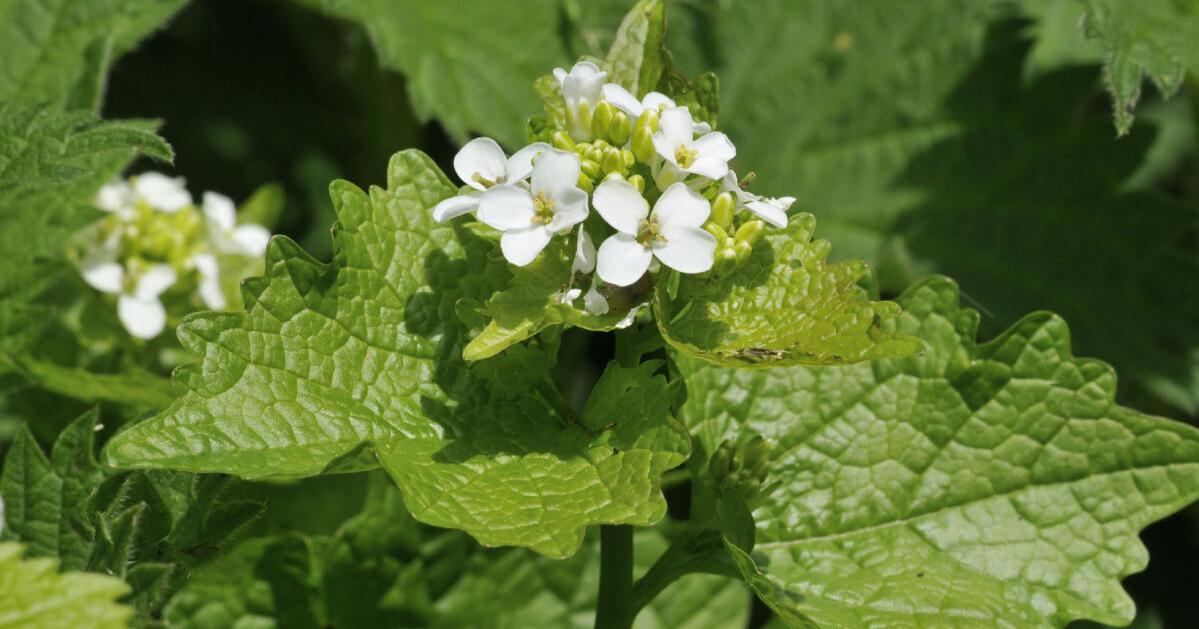
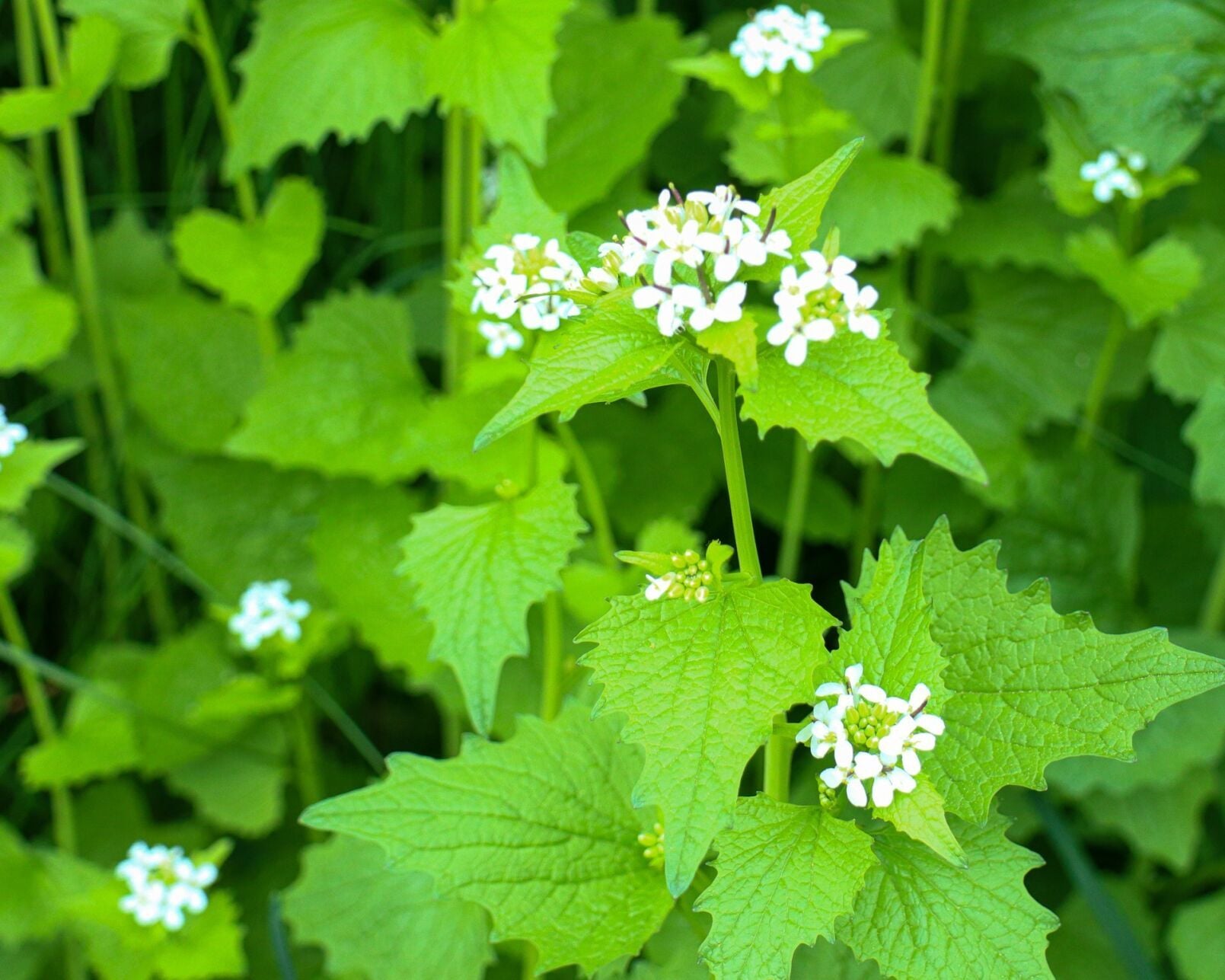
In its first year, garlic mustard appears as dark green, kidney-shaped leaves with scalloped margins and deep veins, and a white S-shaped taproot. In the second year, it grows up to one metre tall, with white flowers blooming in early May. Hunter recommended that municipalities focus on early detection, mapping infestations, and prioritizing removal in high-value natural areas. Hand-pulling before seeds set in late spring, followed by bagging and proper disposal (never composting), is effective. She also advised cleaning equipment after use and preventing yard waste dumping on public lands.
The edible invader and public awareness
Garlic mustard is an example of an invasive plant that can be eaten, and recipes for cooking with it are available. However, experts stress that it must never be composted, as seeds can remain viable. Hunter and Payette are working to raise public awareness through a Facebook page called Garlic Mustard Challenge of Saugeen Shores and a chat group, Saugeen Shores Invasive Volunteers. They believe that if more people recognize the plant and its threat, volunteer numbers will increase, helping to curb its spread.
What comes next
The volunteers have had limited success attracting enough help, and they are calling on the community to join the weekly pulls. The Town of Saugeen Shores has supported the effort by providing garbage bags and disposing of the collected plants. Without a significant increase in volunteer participation, garlic mustard will continue to spread, further reducing biodiversity and disrupting forest ecosystems. The group’s campaign aims to make garlic mustard identification as common as dandelion recognition, turning public awareness into action.
The bottom line
- Garlic mustard is a highly invasive plant that can dominate forest understories within five to seven years, displacing native species and disrupting ecosystems.
- It produces thousands of seeds that remain viable for up to five years, and spreads easily via foot traffic, pets, and contaminated soil.
- Volunteers in Saugeen Shores have been pulling garlic mustard weekly since 2022 but need more public involvement to control its spread.
- The plant is edible but must never be composted; hand-pulling before seed set and proper disposal are key control methods.
- Early detection and rapid response by municipalities, along with public education, are critical to managing infestations.
- Without coordinated action, garlic mustard will continue to reduce biodiversity and harm wildlife habitat across Ontario.


Who Is Canada’s Oldest Company Now? The Hunt for a Successor to Hudson’s Bay

Sabres’ Defensemen Power Playoff Push as Buffalo Seeks Series Win in Boston

Montreal Metro Resumes After Hour-Long Shutdown; Canadiens Eye Series Win
