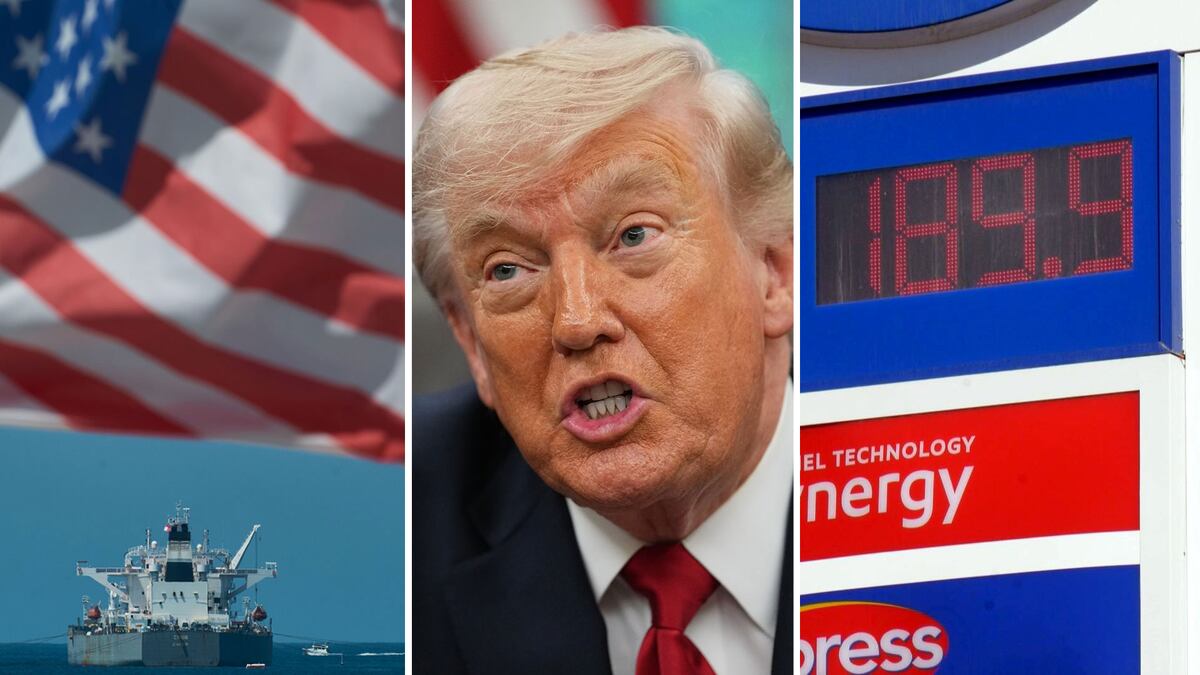
Iran Threatens 'Long and Painful Strikes' as U.S. Weighs Fresh Attacks on Tehran
Tehran vows to retain control of the Strait of Hormuz, choking global energy supplies, as Trump prepares to receive a briefing on new military options.

CANADA —
Key facts
- Iran said it would respond with 'long and painful strikes' on U.S. positions if Washington renews attacks.
- The Strait of Hormuz remains closed two months into the U.S.-Israeli war with Iran, blocking 20% of global oil and gas supplies.
- U.S. President Donald Trump is scheduled to receive a briefing on Thursday on plans for fresh military strikes on Iran.
- Brent crude hit more than $126 a barrel on reports of the briefing before slipping to around $114.
- Iran's Aerospace Force Commander Majid Mousavi warned of strikes on U.S. warships.
- Iran's new Supreme Leader Mojtaba Khamenei said Tehran would eliminate 'the enemies' abuses of the waterway' under new management.
- Iran's Navy Commander Rear Admiral Shahram Irani claimed seven missile operations against the USS Abraham Lincoln.
- The United Arab Emirates banned its citizens from traveling to Iran, Lebanon, and Iraq.
Iran Vows Retaliation as U.S. Weighs New Strikes
Iran warned on Thursday that any renewed U.S. attack would be met with 'long and painful strikes' on American positions across the region, as President Donald Trump prepared to receive a briefing on plans for fresh military action. The threat, issued by a senior Revolutionary Guards official, came as the two-month-old U.S.-Israeli war with Iran has left the Strait of Hormuz closed, cutting off a fifth of the world's oil and gas supplies. Global energy prices have surged, with Brent crude briefly topping $126 a barrel on of the planned briefing, before settling around $114. The blockade has also choked an estimated one-third of global fertilizer shipments, heightening fears of an economic downturn.
Trump to Receive Briefing on Military Options
A U.S. official confirmed that Trump is slated to be briefed Thursday on a series of proposed military strikes aimed at compelling Iran to negotiate an end to the conflict. Such options have long been part of U.S. contingency planning, but the news — first reported by Axios late Wednesday — triggered sharp gains in oil markets. Trump reiterated to reporters on Thursday that Iran would not be allowed to possess a nuclear weapon and predicted that gasoline prices would 'drop like a rock' once the war ends. The price of gasoline is a key concern for his Republican Party ahead of the November midterm elections.
Iran's Supreme Leader Reasserts Control Over Hormuz
Iran's new Supreme Leader, Mojtaba Khamenei, issued a written message declaring that Tehran would eliminate 'the enemies' abuses of the waterway' under new management of the Strait of Hormuz. 'Foreigners who come from thousands of kilometres away... have no place there except at the bottom of its waters,' he said. Khamenei added that the new management would bring 'calm, progress and economic benefits to all Gulf nations.' The statement signals Iran's intent to maintain its hold over the strategic chokepoint, complicating U.S. plans to assemble a coalition to reopen the waterway.
Ceasefire in Place but Impasse Persists
Efforts to resolve the conflict have hit an impasse, with a ceasefire in place since April 8 but Iran continuing to block the strait in response to a U.S. naval blockade of Iran's oil exports, Tehran's economic lifeline. Iran's Foreign Ministry spokesman Esmaeil Baghaei said on Thursday that expecting quick results from talks was 'not very realistic,' according to the official IRNA news agency. Late Thursday, air defense activity was reported in parts of Tehran, with semi-official news agencies saying defenses were engaging small drones and unmanned surveillance aerial vehicles.
Iranian Commander Claims Missile Attacks on U.S. Carrier
Iran's Navy Commander, Rear Admiral Shahram Irani, claimed that Iranian forces have carried out at least 'seven missile operations' against the U.S. aircraft carrier USS Abraham Lincoln, preventing the United States from launching aircraft or conducting air operations from the carrier for a period of time. Irani also threatened to deploy a new weapon that enemy forces are 'deeply afraid of,' warning it could give them a 'heart attack.' 'And it is right next to them [too]... I hope they won't have a heart attack,' he said, according to state-run Press TV. Irani mocked the Trump administration's strategy of using economic pressure to force Tehran to negotiate, saying the assumption that pressure would yield quick results 'has now turned into a joke in military academies.'
Regional Fallout and Open Questions
The United Arab Emirates announced on Thursday that it had banned its citizens from traveling to Iran, Lebanon, and Iraq, urging those currently in those countries to leave immediately, citing regional developments. The move underscores the widening impact of the conflict. Trump faces a Friday deadline to either end the Iran war or seek congressional approval to extend it. Meanwhile, Iran has launched at least 100 waves of reprisal strikes against American and Israeli targets across the Middle East since the war began.remains the most potent weapon in Tehran's arsenal, with global energy markets bracing for further disruption.
The bottom line
- Iran has threatened 'long and painful strikes' on U.S. positions if Washington launches new attacks, and insists on retaining control of the Strait of Hormuz.
- Trump is set to receive a briefing on fresh military options, with oil prices spiking on the news.
- The Strait of Hormuz remains closed, blocking 20% of global oil and gas supplies and fueling economic concerns.
- Iran's Navy claims seven missile attacks on the USS Abraham Lincoln and hints at a new weapon that could cause a 'heart attack' among enemy forces.
- A ceasefire is in place since April 8, but no progress has been made on reopening the strait or ending the U.S. naval blockade.
- The UAE has banned travel to Iran, Lebanon, and Iraq, reflecting the regional instability.
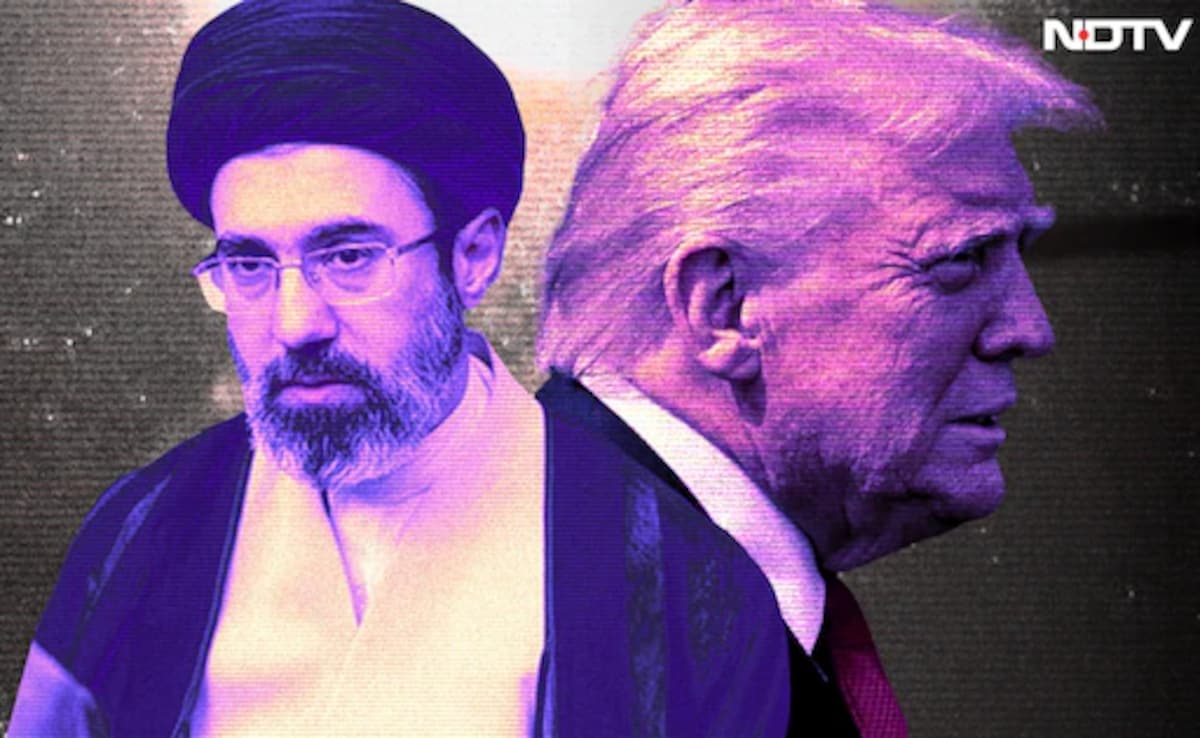




Oil prices surge past $126 before retreating as Iran and U.S. harden stances on Strait of Hormuz

Late-Season Snow to Hit Colorado Rockies but Will Not Break Record Drought

Timberwolves Face Game 6 Without Edwards, DiVincenzo as Nuggets Seek Series Tie